523-50-2

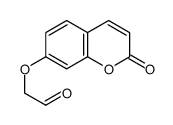
523-50-2 structure
- Name: Angelicin
- Chemical Name: angelicin
- CAS Number: 523-50-2
- Molecular Formula: C11H6O3
- Molecular Weight: 186.163
- Catalog: Chemical reagent Organic reagent Tricyclic compound
- Create Date: 2018-04-01 08:00:00
- Modify Date: 2026-06-30 16:15:02
-
Angelicin, a furocoumarin naturally occurring tricyclic aromatic compound, structurally related to psoralens, is reported to have anti-cancer, antiviral, anti-inflammatory activity. IC50 value: 49.56 μM (cellular cytotoxicity); 5.39 μg/ml (28.95 μM) (against MHV-68)Target: In vitro: In human SH-SY5Y neuroblastoma cells, angelicin increased cellular cytotoxicity in a dose- and time-dependent manner with IC50 of 49.56 μM at 48 h of incubation. Angelicin dose-dependently downregulated the expression of anti-apoptotic proteins including Bcl-2, Bcl-xL, and Mcl-1; Angelicin-induced apoptosis is mediated primarily through the intrinsic caspase-mediated pathway[1]. Angelicin efficiently inhibited 12-O-tetradecanoylphorbol-13-acetate (TPA)-induced lytic replication of human gammaherpresviruses in both EBV- and KSHV-infected cells [2]. Angelicin was potentially advantageous to prevent inflammatory diseases by inhibiting NF-κB and MAPK pathways [3].In vivo:
| Name | angelicin |
|---|---|
| Synonyms |
ANGELICIN
ISOPSORALEN Furo[2,3-h]benzopyran-2-one FURO(2,3-H)BENZOPYRAN-2-ONE Angelicin-RM ISOPSORALENE isopsoralen 2-Oxo-(2H)-furo(2,3-h)-1-benzopyran 3-(4-hydroxy-5-benzofuranyl)-2-propenoicacidgamma-lactone 2-furo[2,3-h]benzopyranone 2-OXO-[2H]-FURO[2,3-H]-1-BENZOPYRAN angecin Angelicin from Psoralea corylifolia L 2-Oxo-(2H)-furo(2,3-h)-1-benzopyran 2H-Furo[2,3-h]-1-benzopyran-2-one ANGELICINE hplc 2h-furo(2,3-h)benzopyran-2-one 3-(4-hydroxy-5-benzofuranyl)-2-propenoicacidelta-lactone Angelicin Isopsoralen -2 ANGELICIN (BAKUCHICIN)(SH) T B566 EO LVOJ MFCD00064930 2H-Furo[2,3-h]chromen-2-one angelicin(couminderiv) ISOBERGAPTEN Isopsoralen (Angelicin) furo(2,3-h)coumin Angelicin> 2H-Furo[2,3-h][1]benzopyran-2-one furo(5’,4’:7,8)coumin 4-Hydroxy-5-benzofuranacrylic acid γ-lactone EINECS 201-480-6 2-Oxo-(2H)-furo(2,3-h)-1-benzopyran,2H-Furo[2,3-h]-1-benzopyran-2-one PHYTOSTEROLE ANUL furo(5’,4’,7,8)coumin Angelicin, froM Psoralea corylifolia L Isopsoralen ANGELICINE Phytosterole anul(Angelicin) ANGELICIN(P) 2h-furo(2,3-h)-1-benzopyran-2-one ANGELICIN (BAKUCHICIN)(RG) 4-hydroxy-5-benzofuranacrylicacidgamma-lactone 2H-Furo[2,3-h]-1-benzopyran-2-one isopsoralin |
| Description | Angelicin, a furocoumarin naturally occurring tricyclic aromatic compound, structurally related to psoralens, is reported to have anti-cancer, antiviral, anti-inflammatory activity. IC50 value: 49.56 μM (cellular cytotoxicity); 5.39 μg/ml (28.95 μM) (against MHV-68)Target: In vitro: In human SH-SY5Y neuroblastoma cells, angelicin increased cellular cytotoxicity in a dose- and time-dependent manner with IC50 of 49.56 μM at 48 h of incubation. Angelicin dose-dependently downregulated the expression of anti-apoptotic proteins including Bcl-2, Bcl-xL, and Mcl-1; Angelicin-induced apoptosis is mediated primarily through the intrinsic caspase-mediated pathway[1]. Angelicin efficiently inhibited 12-O-tetradecanoylphorbol-13-acetate (TPA)-induced lytic replication of human gammaherpresviruses in both EBV- and KSHV-infected cells [2]. Angelicin was potentially advantageous to prevent inflammatory diseases by inhibiting NF-κB and MAPK pathways [3].In vivo: |
|---|---|
| Related Catalog | |
| References |
| Density | 1.4±0.1 g/cm3 |
|---|---|
| Boiling Point | 362.6±27.0 °C at 760 mmHg |
| Melting Point | 132-134ºC |
| Molecular Formula | C11H6O3 |
| Molecular Weight | 186.163 |
| Flash Point | 173.1±23.7 °C |
| Exact Mass | 186.031693 |
| PSA | 43.35000 |
| LogP | 2.01 |
| Vapour Pressure | 0.0±0.8 mmHg at 25°C |
| Index of Refraction | 1.667 |
| Storage condition | 2-8°C |
CHEMICAL IDENTIFICATION
HEALTH HAZARD DATAACUTE TOXICITY DATA
MUTATION DATA
|
| Symbol |


GHS07, GHS08 |
|---|---|
| Signal Word | Warning |
| Hazard Statements | H302 + H312 + H332-H315-H319-H335-H351 |
| Precautionary Statements | P261-P280-P305 + P351 + P338 |
| Personal Protective Equipment | Eyeshields;Faceshields;full-face particle respirator type N100 (US);Gloves;respirator cartridge type N100 (US);type P1 (EN143) respirator filter;type P3 (EN 143) respirator cartridges |
| Hazard Codes | Xn:Harmful; |
| Risk Phrases | R20/21/22;R36/37/38;R40 |
| Safety Phrases | S26-S36/37/39 |
| RIDADR | NONH for all modes of transport |
| WGK Germany | 3 |
| RTECS | LV0940000 |
| HS Code | 2932999099 |
| Precursor 6 | |
|---|---|
| DownStream 0 | |


| HS Code | 2932999099 |
|---|---|
| Summary | 2932999099. other heterocyclic compounds with oxygen hetero-atom(s) only. VAT:17.0%. Tax rebate rate:13.0%. . MFN tariff:6.5%. General tariff:20.0% |