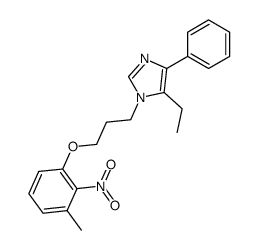
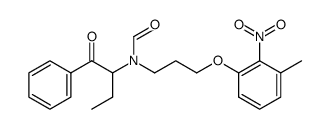
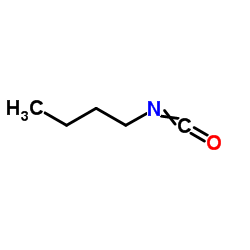
141799-76-0
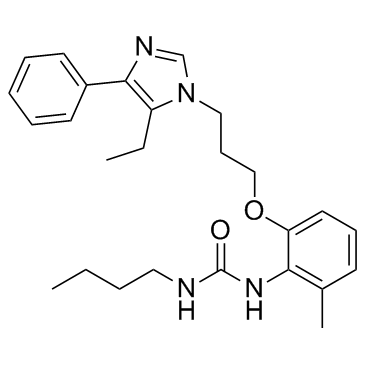
141799-76-0 structure
- Name: E-5324
- Chemical Name: 1-butyl-3-[2-[3-(5-ethyl-4-phenylimidazol-1-yl)propoxy]-6-methylphenyl]urea
- CAS Number: 141799-76-0
- Molecular Formula: C26H34N4O2
- Molecular Weight: 434.57400
- Catalog: Signaling Pathways Metabolic Enzyme/Protease Acyltransferase
- Create Date: 2017-11-12 17:04:02
- Modify Date: 2026-07-15 18:10:50
-
E-5324 is potent inhibitor of acyl-CoA:cholesterol acyltransferase (ACAT) with IC50s of 44 to 190 nM.
| Name | 1-butyl-3-[2-[3-(5-ethyl-4-phenylimidazol-1-yl)propoxy]-6-methylphenyl]urea |
|---|---|
| Synonyms |
Urea, N-butyl-N'-[2-[3-(5-ethyl-4-phenyl-1H-imidazol-1-yl)propoxy]-6-methylphenyl]
e-5324 E5324,E |
| Description | E-5324 is potent inhibitor of acyl-CoA:cholesterol acyltransferase (ACAT) with IC50s of 44 to 190 nM. |
|---|---|
| Related Catalog | |
| Target |
IC50: 44 to 190 nM (ACAT)[1] |
| In Vitro | E-5324 is a potent ACAT inhibitor with IC50s of 44 to 190 nM in microsomes. E-5324 shows no effect on triglyceride synthesis up to 10 μM. E-5324 also has no effect on bovine pancreatic cholesterol esterase or lecithin: cholesterol acyltransferase (LCAT) up to 10 μM. E-5324 inhibits the incorporation of [3H]oleate into cholesteryl [3H]oleate in a concentration-dependent manner with an IC50 of 0.44 μM. E-5324 also inhibits [3H]cholesteryl ester synthesis with an IC50 of 0.41 μM[1]. |
| In Vivo | The areas under the cholesterol-time curves for duration of this study (AUC) for control, E-5324 0.02% and E-5324 0.1% are 104985±4411, 106096±4476 and 105231±4 348 mg×day/dL, respectively. The high dose of E-5324 (0.1%) significantly reduces the surface involvement by 34% and 54% in the aortic arch and thoracic aorta, respectively. E-5324 treatment significantly reduces the wet weight and protein content. In the aortic arch, the high dose of E-5324 (0.1%) significantly reduces both cholesteryl ester and total cholesterol by 60% and 59%, respectively. The high dose of E-5324 (0.1%) markedly reduces the ACAT activities in the aortic arch and thoracic aorta by 35% and 44%, respectively[2]. |
| Cell Assay | In the study of the inhibitory effect of E-5324, PMA-treated THP-1 cells are incubated in LPDS/RPMI containing 50 μg protein/mL βVLDL for 5 hr. Then, 100 μL of each concentration of E-5324 solution or vehicle (LPDS/RPMI) is added to the cultured cells. After incubation with E-5324 for 30 min, 20 μL of [3H]oleate-BSA complex is added, and the mixture is incubated for 2 hr. The lipids are extracted from the cells with hexane: 2-propanol (3:2, v/v) and then separated by TLC. The remaining cellular protein is dissolved in 0.1 N NaOH[1]. |
| Animal Admin | Forty male WHHL rabbits weighing approximately 1.7 kg at the age of 3 months are used in the experiment. All animals are individually caged and receive 100 g/day of food throughout the experiment. The rabbits are divided into 4 groups so as to make their plasma total cholesterol levels similar. The rabbits are fed a standard rabbit chow, ORC-4, or ORC-4 containing E5324 (0.02% or 0.1% (w/w)), or ORC-4 containing probucol (1% (w/w)) for 16 weeks[2]. |
| References |
| Density | 1.11g/cm3 |
|---|---|
| Boiling Point | 637.4ºC at 760 mmHg |
| Molecular Formula | C26H34N4O2 |
| Molecular Weight | 434.57400 |
| Flash Point | 339.3ºC |
| Exact Mass | 434.26800 |
| PSA | 71.67000 |
| LogP | 6.08900 |
| Vapour Pressure | 3.78E-16mmHg at 25°C |
| Index of Refraction | 1.576 |
| Storage condition | 2-8℃ |