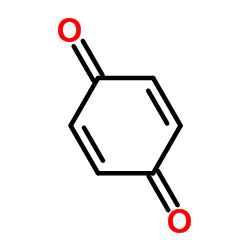
3233-32-7

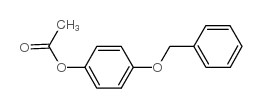
3233-32-7 structure
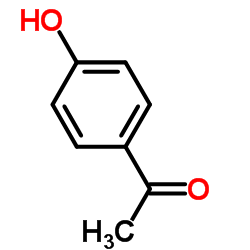
- Name: 4-Acetoxyphenol
- Chemical Name: 4-hydroxyphenyl acetate
- CAS Number: 3233-32-7
- Molecular Formula: C8H8O3
- Molecular Weight: 152.14700
- Catalog: Research Areas Others
- Create Date: 2018-03-14 08:00:00
- Modify Date: 2026-07-04 18:52:30
-
4-Hydroxyphenyl acetate (4-HPA) is a natural antioxidant and protects cells from oxidative stress-induced necrosis. 4-Hydroxyphenyl acetate blocks the increase of cellular ROS induced by oxidative stress, and up-regulates NQO1 and HO-1 genes by stabilizing and inducing the nuclear translocation of NRF2 transcription factor[1].
| Name | 4-hydroxyphenyl acetate |
|---|---|
| Synonyms |
1,4-Benzenediol,monoacetate
4-Acetyloxyphenol acetic acid (4-hydroxyphenyl) ester p-acetoxyphenol 4-Hydroxyphenyl acetate p-hydroxyphenyl acetate Hydroquinone 1-acetate Acetic acid 4-hydroxyphenyl hydroquinone acetate 4hydroxyphenyl acetate,4 hydroxyphenyl acetate 4-hydroxyphenylacetat 4-hydroxyphenyl acetate, 10 mM in DMSO 1,4-Benzenediol, 1-acetate hydroquinone monoacetate (4-hydroxyphenyl) acetate 1-acetate (4-hydroxyphenyl) ethanoate Fenbendazole Impurity 5 |
| Description | 4-Hydroxyphenyl acetate (4-HPA) is a natural antioxidant and protects cells from oxidative stress-induced necrosis. 4-Hydroxyphenyl acetate blocks the increase of cellular ROS induced by oxidative stress, and up-regulates NQO1 and HO-1 genes by stabilizing and inducing the nuclear translocation of NRF2 transcription factor[1]. |
|---|---|
| Related Catalog | |
| Target |
Human Endogenous Metabolite |
| In Vitro | 4-Hydroxyphenyl acetate (5 μM; 24 h) protects retinal pigment epithelial (RPE) cells from oxidative stress-induced cell death[1]. 4-Hydroxyphenyl acetate (5 μM; 24 h; ARPE-19 cells) inhibits the increase of ROS in response to oxidative stress and up-regulated the expression of cytoprotective genes including NQO1 and HO-1 genes[1]. Cell Viability Assay[1] Cell Line: ARPE-19 cells Concentration: 5 μM Incubation Time: 24 hours Result: Protected up to 89%, 92%, and 90% of ARPE-19 cells exposed to 100, 200, and 300 μM tBHP, respectively. |
| Density | 1.212g/cm3 |
|---|---|
| Boiling Point | 269.3ºC at 760 mmHg |
| Molecular Formula | C8H8O3 |
| Molecular Weight | 152.14700 |
| Flash Point | 118.6ºC |
| Exact Mass | 152.04700 |
| PSA | 46.53000 |
| LogP | 1.31750 |
| Index of Refraction | 1.541 |
| Storage condition | 2-8°C |
| Hazard Codes | Xi |
|---|
| Precursor 9 | |
|---|---|
| DownStream 7 | |