1808-12-4
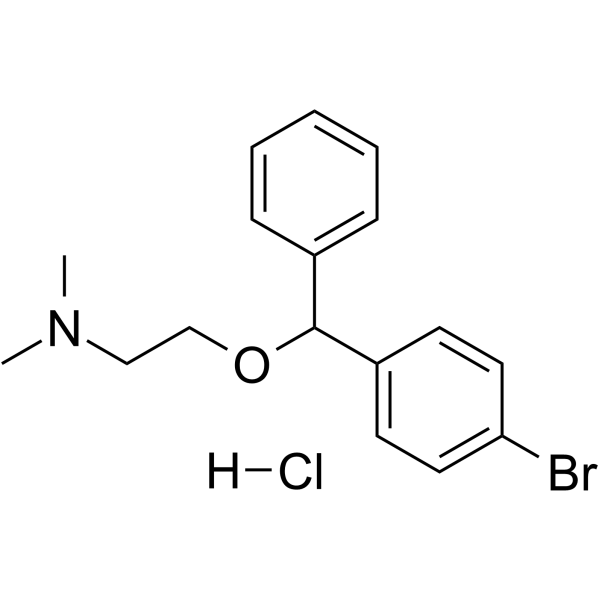
1808-12-4 structure
- Name: Bromodiphenhydramine hydrochloride
- Chemical Name: bromazine hydrochloride
- CAS Number: 1808-12-4
- Molecular Formula: C17H21BrClNO
- Molecular Weight: 370.71200
- Catalog: Signaling Pathways Anti-infection Bacterial
- Create Date: 2018-06-18 20:39:25
- Modify Date: 2026-07-02 19:59:10
-
Bromodiphenhydramine hydrochloride is a potent antihistamine with antimicrobial property. Bromodiphenhydramine hydrochloride inhibits a large number of Gram negative and Gram positive bacteria. Bromodiphenhydramine hydrochloride can be used for cutaneous allergies research[1][2][3].
| Name | bromazine hydrochloride |
|---|---|
| Synonyms |
Diphenhydramine Impurity 3(Diphenhydramine Impurity C)
EINECS -8 Bromazine hydrochloride EINECS 217-310-9 2-((p-bromo-alpha-phenylbenzyl)oxy)-n,n-dimethylethylaminehydrochloride Bromodiphenhydramine hydrochloride, 10 mM in DMSO Bromdiphenylhydramine hydrochloride IMp. H as Hydrochloride: 2-[(RS)-(4- BroMophenyl)(phenyl)Methoxy]-N,N-diMethyl- ethanaMine Hydrochloride (4-BroModiphen- hydraMine Hydrochloride Diphenhydramine Impurity 3 (Diphenhydramine Impurity C HCl) Bromodiphenhydramine Hydrochloride deserol [2-(4-Brom-benzhydryloxy)-aethyl]-dimethyl-amin,Hydrochlorid 2-((4-bromophenyl)phenylmethoxy)-n,n-dimethyl-ethanaminhydrochloride bromo-benzdryl Bromazine Hydrochloride 1.0 mg/ml in Methanol (as free base) Bromodiphenhydramine HCl Cetirizine-d 2-[(4-bromophenyl)phenylmethoxy]-N,N-dimethyl-ethanamine,hydrochloride bromazin 2-[(RS)-(4-Bromophenyl)phenylmethoxy]-N,N-dimethylethanamine hydrochloride bromodiphenhydraminehydrochloride 2-[(4-bromophenyl)phenylmethoxy]ethyl(dimethyl)ammonium chloride Bromdiphenhydramine hydrochloride Diphenhydramine Impurity C hydrochloride phenyl(p-bromophenyl)(dimethylaminoethoxy)methane hydrochloride Dimenhydrinate Impurity H as Hydrochloride 2-(4-BroModiphenylMethoxy)ethyldiMethylaMine Hydrochloride beta-(p-bromobenzhydryloxy)ethyldimethylaminehydrochloride 2-[(p-BroMo-α-phenylbenzyl)oxy]-N,N-diMethylethylaMine Hydrochloride 4-bromo-alpha-phenylbenzyl2-dimethylaminoethylether Diphenhydramine Impurity C HCl (Bromazine Hydrochloride) bacteria,inhibit,Inhibitor,antihistamine,Salmonella typhimurium,Histamine Rector,Bromodiphenhydramine,Bromodiphenhydramine hydrochloride,cutaneous allergies,Bacterial,Ambodryl bromdiphenylhydraminehydrochloride Diphenhydramine Impurity C HCl 2-(4-bromobenzohydryloxy)-ethyl-dimethylaminehydrochloride ambodrylhydrochloride DIPHENHYDRAMINE IMP C Bromazine HCl Diphenhydramine hydrochloride Impurity C 2-((p-bromo-alpha-phenylbenzyl)oxy)-n,n-dimethyl-ethylaminhydrochloride 2-[(4-bromophenyl)-phenylmethoxy]ethyl-dimethylazanium,chloride 2-(4-bromodiphenylmethoxy)ethyldimethylamine Diphenhydramine Hydrochloride Impurity C as Hydrochloride Dimenhydrinate Impurity H HCl (Diphenhydramine Impurity C HCl) 2-[(4-BroMophenyl)phenylMethoxy]-N,N-diMethylethanaMine Hydrochloride [2-(4-bromo-benzhydryloxy)-ethyl]-dimethyl-amine,hydrochloride |
| Description | Bromodiphenhydramine hydrochloride is a potent antihistamine with antimicrobial property. Bromodiphenhydramine hydrochloride inhibits a large number of Gram negative and Gram positive bacteria. Bromodiphenhydramine hydrochloride can be used for cutaneous allergies research[1][2][3]. |
|---|---|
| Related Catalog | |
| In Vivo | Bromodiphenhydramine hydrochloride (1.5 and 3 μg/g, single) protects mice against a challenge with a virulent strain of Salmonella typhimurium, and also significantly reduces the multiplication of this organism in the liver, spleen and blood of the protected animals in comparison with the unprotected controls[2]. |
| References |
| Boiling Point | 397.3ºC at 760 mmHg |
|---|---|
| Molecular Formula | C17H21BrClNO |
| Molecular Weight | 370.71200 |
| Flash Point | 194.1ºC |
| Exact Mass | 369.05000 |
| PSA | 12.47000 |
| LogP | 4.91870 |
| Vapour Pressure | 1.61E-06mmHg at 25°C |
CHEMICAL IDENTIFICATION
HEALTH HAZARD DATAACUTE TOXICITY DATA
|
| Symbol |

GHS07 |
|---|---|
| Signal Word | Warning |
| Hazard Statements | H302 |
| Precautionary Statements | P301 + P312 + P330 |
| RIDADR | NONH for all modes of transport |
| HS Code | 2922199090 |
|
~%
1808-12-4 |
| Literature: Medicinal Chemistry Research, , vol. 21, # 11 p. 3532 - 3540 |
|
~%
1808-12-4 |
| Literature: Medicinal Chemistry Research, , vol. 21, # 11 p. 3532 - 3540 |
|
~%
1808-12-4 |
| Literature: Medicinal Chemistry Research, , vol. 21, # 11 p. 3532 - 3540 |
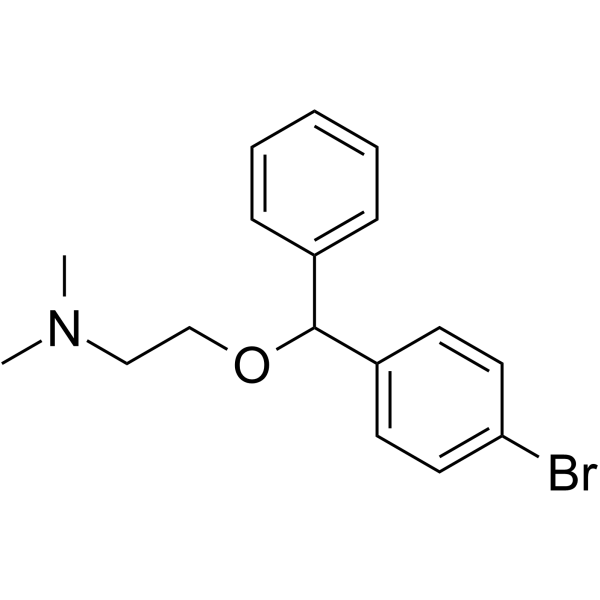
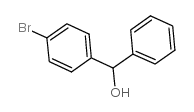
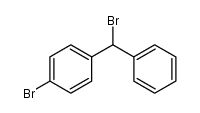
| Precursor 3 | |
|---|---|
| DownStream 0 | |
| HS Code | 2922199090 |
|---|---|
| Summary | 2922199090. other amino-alcohols, other than those containing more than one kind of oxygen function, their ethers and esters; salts thereof. VAT:17.0%. Tax rebate rate:13.0%. . MFN tariff:6.5%. General tariff:30.0% |