Triethylene glycol
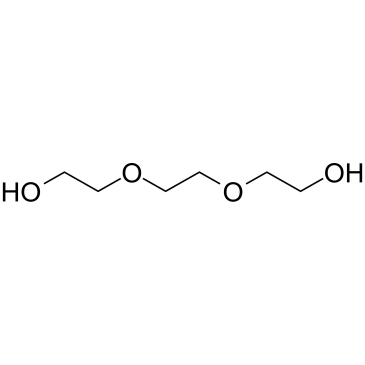
Triethylene glycol structure
|
Common Name | Triethylene glycol | ||
|---|---|---|---|---|
| CAS Number | 112-27-6 | Molecular Weight | 150.173 | |
| Density | 1.1±0.1 g/cm3 | Boiling Point | 288.0±0.0 °C at 760 mmHg | |
| Molecular Formula | C6H14O4 | Melting Point | −7 °C(lit.) | |
| MSDS | N/A | Flash Point | 165.6±0.0 °C | |
Use of Triethylene glycolPROTAC Linker 25 is a polyethylene glycol (PEG)-based PROTAC linker. PROTAC Linker 25 can be used in the synthesis of a series of PROTACs. PROTACs contain two different ligands connected by a linker; one is a ligand for an E3 ubiquitin ligase and the other is for the target protein. PROTACs exploit the intracellular ubiquitin-proteasome system to selectively degrade target proteins[1]. |
This table lists Chinese names, IUPAC names and various aliases of this chemical substance.
| Name | triethylene glycol |
|---|---|
| Synonym | More Synonyms |
This table contains bioactivity, target information and biological‑assay experimental data of this compound.
| Description | PROTAC Linker 25 is a polyethylene glycol (PEG)-based PROTAC linker. PROTAC Linker 25 can be used in the synthesis of a series of PROTACs. PROTACs contain two different ligands connected by a linker; one is a ligand for an E3 ubiquitin ligase and the other is for the target protein. PROTACs exploit the intracellular ubiquitin-proteasome system to selectively degrade target proteins[1]. |
|---|---|
| Related Catalog | |
| Target |
PEGs |
| References |
This table shows physicochemical parameters including melting point, boiling point, density, solubility and optical rotation. Missing data is marked as N/A.
| Density | 1.1±0.1 g/cm3 |
|---|---|
| Boiling Point | 288.0±0.0 °C at 760 mmHg |
| Melting Point | −7 °C(lit.) |
| Molecular Formula | C6H14O4 |
| Molecular Weight | 150.173 |
| Flash Point | 165.6±0.0 °C |
| Exact Mass | 150.089203 |
| PSA | 58.92000 |
| LogP | -1.87 |
| Vapour density | 5.2 (vs air) |
| Vapour Pressure | 0.0±1.3 mmHg at 25°C |
| Index of Refraction | 1.451 |
| InChIKey | ZIBGPFATKBEMQZ-UHFFFAOYSA-N |
| SMILES | OCCOCCOCCO |
| Stability | Stable. Combustible. Incompatible with strong oxidizing agents. |
| Water Solubility | SOLUBLE |
This table provides MSDS information including hazard classification, first‑aid, fire‑fighting, spill handling, operation and storage instructions.
This table summarizes toxicological test data, acute & chronic toxicity and ecological hazard parameters for this chemical.
CHEMICAL IDENTIFICATION
HEALTH HAZARD DATAACUTE TOXICITY DATA
|
This table covers safety warnings, protective measures, incompatible substances and disposal guidelines for this compound.
| Hazard Codes | Xi:Irritant |
|---|---|
| Risk Phrases | R36/37/38 |
| Safety Phrases | S26-S36 |
| RIDADR | NONH for all modes of transport |
| WGK Germany | 1 |
| RTECS | YE4550000 |
| HS Code | 2905399090 |
This table presents publicly reported synthetic routes, reaction conditions, reactants and product information of the compound.
This table lists upstream starting materials and downstream derivative products related to this chemical.
| Precursor 9 | |
|---|---|
| DownStream 10 | |
 CAS#:75-21-8
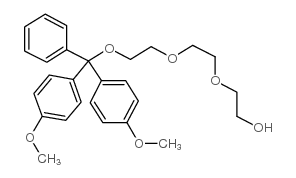 CAS#:146669-11-6
 CAS#:124-38-9
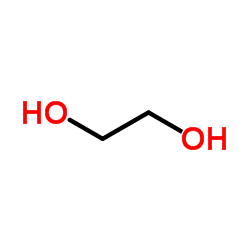 CAS#:107-21-1
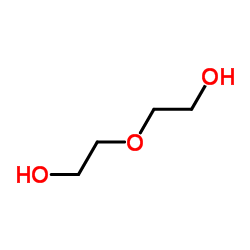 CAS#:111-46-6
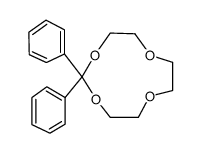 CAS#:77130-22-4
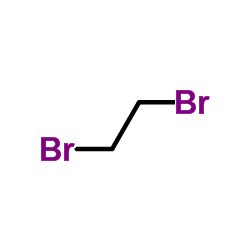 CAS#:106-93-4
 CAS#:68375-96-2
![bicyclo[2.2.1]hept-5-ene-2-carboxylic acid 2-[2-(2-{2-[2-(2-methoxyethoxy)ethoxy]acetoxy}ethoxy)ethoxy]ethyl ester Structure](https://image.chemsrc.com/caspic/086/862072-76-2.png) CAS#:862072-76-2
CAS#:862072-76-2![2,2'-[ethane-1,2-diylbis(oxy)]bisethyl dinitrate structure](https://image.chemsrc.com/caspic/299/111-22-8.png) CAS#:111-22-8
CAS#:111-22-8![2-[2-[2-(2-methylprop-2-enoxy)ethoxy]ethoxy]ethanol structure](https://image.chemsrc.com/caspic/125/111719-00-7.png) CAS#:111719-00-7
CAS#:111719-00-7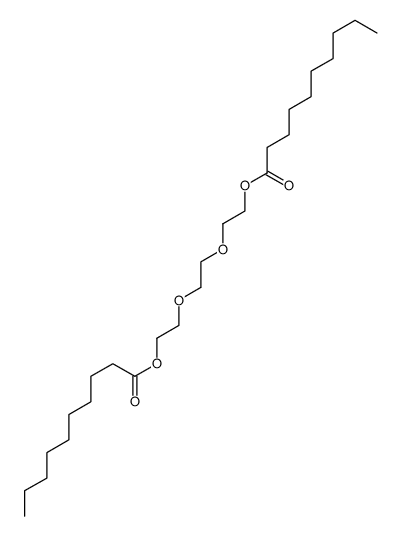 CAS#:10024-58-5
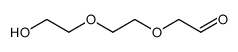 CAS#:108306-81-6
![2-[2-(2-chloroethoxy)ethoxy]ethoxymethylbenzene structure](https://image.chemsrc.com/caspic/012/105891-50-7.png) CAS#:105891-50-7
CAS#:105891-50-7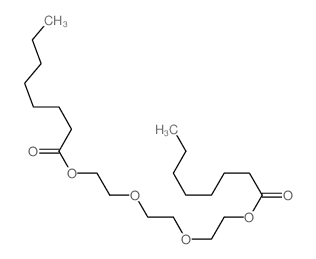 CAS#:106-10-5
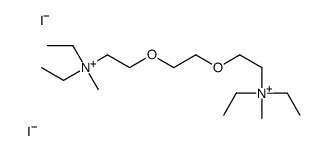 CAS#:109448-65-9
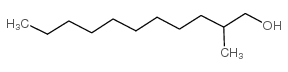 CAS#:10522-26-6
 CAS#:1208234-07-4
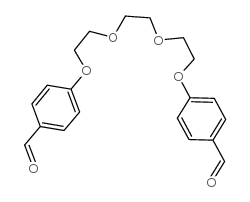 CAS#:111550-48-2
This table shows customs‑related data including HS‑code, tariff and regulatory conditions for import and export.
| HS Code | 2909499000 |
|---|---|
| Summary | 2909499000. ether-alcohols and their halogenated, sulphonated, nitrated or nitrosated derivatives. VAT:17.0%. Tax rebate rate:9.0%. . MFN tariff:5.5%. General tariff:30.0% |
This table collects all English aliases, systematic names and CAS‑related synonyms of the compound.
| Triglycol |
| 2,2'-[Ethane-1,2-diylbis(oxy)]diethanol |
| 2,2'-(Ethane-1,2-diylbis(oxy))diethanol |
| triethyleneglycol |
| 1,2-bis(2-hydroxyethoxy)ethane |
| 2,2'-(Ethylenedioxy)diethanol |
| Triethylene glycol |
| 2-[2-(2-hydroxyethoxy)ethoxy]ethanol |
| 2,2'-[1,2-Ethanediylbis(oxy)]diethanol |
| TEG |
| EINECS 203-953-2 |
| MFCD00002880 |
This section contains frequently‑asked‑questions about this compound, including basic parameters, properties, storage conditions and corresponding answers.
| Q: What are the upstream materials of triethylene glycol? |
| A: Related upstream materials(CAS) of triethylene glycol: 75-21-8;146669-11-6;124-38-9;107-21-1;111-46-6;77130-22-4;106-93-4;68375-96-2;862072-76-2. |
| Q: What is the English name of triethylene glycol? |
| A: The English name of triethylene glycol is triethylene glycol. |
| Q: What is the safety information for triethylene glycol? |
| A: Safety information for triethylene glycol: S26-S36. |
| Q: What is the melting point of triethylene glycol? |
| A: Melting point of triethylene glycol is −7 °C(lit.). |
| Q: How is the water solubility of triethylene glycol? |
| A: Water solubility of triethylene glycol: SOLUBLE. |
| Q: What is the InChIKey of triethylene glycol? |
| A: InChIKey of triethylene glycol is ZIBGPFATKBEMQZ-UHFFFAOYSA-N. |
| Q: What is the molecular weight of triethylene glycol? |
| A: Molecular weight of triethylene glycol is 150.173. |
| Q: What is the boiling point of triethylene glycol? |
| A: Boiling point of triethylene glycol is 288.0±0.0 °C at 760 mmHg. |
| Q: What are the uses of triethylene glycol? |
| A: Main uses of triethylene glycol: PROTAC Linker 25 is a polyethylene glycol (PEG)-based PROTAC linker. PROTAC Linker 25 can be used in the synthesis of a series of PROTACs. PROTACs contain two different ligands connected by a linker; one is a ligand for an E3 ubiquitin ligase and the other is for the target protein. PROTACs exploit the intracellular ubiquitin-proteasome system to selectively degrade target proteins[1]. |
| Q: What English synonyms does triethylene glycol have? |
| A: English synonyms of triethylene glycol: Triglycol, 2,2'-[Ethane-1,2-diylbis(oxy)]diethanol, 2,2'-(Ethane-1,2-diylbis(oxy))diethanol, triethyleneglycol, 1,2-bis(2-hydroxyethoxy)ethane, 2,2'-(Ethylenedioxy)diethanol, Triethylene glycol, 2-[2-(2-hydroxyethoxy)ethoxy]ethanol, 2,2'-[1,2-Ethanediylbis(oxy)]diethanol, TEG, EINECS 203-953-2, MFCD00002880. |
This table lists manufacturers and suppliers of this compound, including vendor names and product supply reference information.
| Shanghai Nianxing Industrial Co., Ltd |
| Dayang Chem (Hangzhou) Co., Ltd. |