bis(trimethylsilyl)trifluoroacetamide
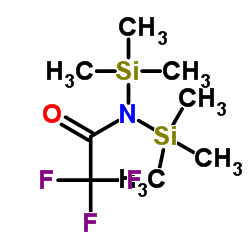
bis(trimethylsilyl)trifluoroacetamide structure
|
Common Name | bis(trimethylsilyl)trifluoroacetamide | ||
|---|---|---|---|---|
| CAS Number | 25561-30-2 | Molecular Weight | 257.401 | |
| Density | 1.0±0.1 g/cm3 | Boiling Point | 170.0±50.0 °C at 760 mmHg | |
| Molecular Formula | C8H18F3NOSi2 | Melting Point | -10°C | |
| MSDS | Chinese USA | Flash Point | 56.6±30.1 °C | |
| Symbol |


GHS02, GHS05 |
Signal Word | Danger | |
Summary: N,O-bis(trimethylsilyl)trifluoroacetamide, also known as bis(trimethylsilyl)trifluoroacetamide, has a CAS number of 25561-30-2, with molecular formula C8H18F3NOSi2 and molecular weight 257.401. It appears as a transparent to pale yellow liquid, with a melting point of -10°C and boiling point of 170.0±50.0 °C, and a density of 1.0±0.1 g/cm3. For research-use only, not for medical or clinical usage.
This table lists Chinese names, IUPAC names and various aliases of this chemical substance.
| Name | N,O-bis(trimethylsilyl)trifluoroacetamide |
|---|---|
| Synonym | More Synonyms |
This table shows physicochemical parameters including melting point, boiling point, density, solubility and optical rotation. Missing data is marked as N/A.
| Density | 1.0±0.1 g/cm3 |
|---|---|
| Boiling Point | 170.0±50.0 °C at 760 mmHg |
| Melting Point | -10°C |
| Molecular Formula | C8H18F3NOSi2 |
| Molecular Weight | 257.401 |
| Flash Point | 56.6±30.1 °C |
| Exact Mass | 257.087891 |
| PSA | 21.59000 |
| LogP | 3.42 |
| Vapour Pressure | 1.5±0.3 mmHg at 25°C |
| Index of Refraction | 1.396 |
| InChIKey | XCOBLONWWXQEBS-GHXNOFRVSA-N |
| SMILES | C[Si](C)(C)N=C(O[Si](C)(C)C)C(F)(F)F |
| Storage condition | 2-8°C |
| Water Solubility | hydrolyses |
This table provides MSDS information including hazard classification, first‑aid, fire‑fighting, spill handling, operation and storage instructions.
Synonym:BSTF Section 2 - COMPOSITION, INFORMATION ON INGREDIENTS
Risk Phrases: 10 36/37/38 Section 3 - HAZARDS IDENTIFICATION EMERGENCY OVERVIEW
Flammable. Irritating to eyes, respiratory system and skin.Moisture sensitive.The toxicological properties of this material have not been fully investigated. Potential Health Effects Eye: No information regarding eye irritation and other potential effects was found. Skin: No information regarding skin irritation and other potential effects was found. Ingestion: The toxicological properties of this substance have not been fully investigated. Inhalation: The toxicological properties of this substance have not been fully investigated. Chronic: Not available. Section 4 - FIRST AID MEASURES Eyes: Flush eyes with plenty of water for at least 15 minutes, occasionally lifting the upper and lower eyelids. Get medical aid immediately. Skin: Get medical aid. Flush skin with plenty of soap and water for at least 15 minutes while removing contaminated clothing and shoes. Ingestion: If victim is conscious and alert, give 2-4 cupfuls of milk or water. Never give anything by mouth to an unconscious person. Get medical aid immediately. Inhalation: Get medical aid immediately. Remove from exposure to fresh air immediately. If not breathing, give artificial respiration. If breathing is difficult, give oxygen. Notes to Physician: Section 5 - FIRE FIGHTING MEASURES General Information: As in any fire, wear a self-contained breathing apparatus in pressure-demand, MSHA/NIOSH (approved or equivalent), and full protective gear. Flammable liquid and vapor. Extinguishing Media: Use agent most appropriate to extinguish fire. Section 6 - ACCIDENTAL RELEASE MEASURES General Information: Use proper personal protective equipment as indicated in Section 8. Spills/Leaks: Absorb spill with inert material (e.g. vermiculite, sand or earth), then place in suitable container. Remove all sources of ignition. Use a spark-proof tool. Section 7 - HANDLING and STORAGE Handling: Wash thoroughly after handling. Use only in a well-ventilated area. Ground and bond containers when transferring material. Avoid contact with eyes, skin, and clothing. Empty containers retain product residue, (liquid and/or vapor), and can be dangerous. Avoid ingestion and inhalation. Do not pressurize, cut, weld, braze, solder, drill, grind, or expose empty containers to heat, sparks or open flames. Storage: Keep away from heat, sparks, and flame. Store in a tightly closed container. Store in a cool, dry, well-ventilated area away from incompatible substances. Flammables-area. Section 8 - EXPOSURE CONTROLS, PERSONAL PROTECTION Engineering Controls: Use adequate ventilation to keep airborne concentrations low. Personal Protective Equipment Eyes: Wear appropriate protective eyeglasses or chemical safety goggles as described by OSHA's eye and face protection regulations in 29 CFR 1910.133 or European Standard EN166. Skin: Wear appropriate protective gloves to prevent skin exposure. Clothing: Wear appropriate protective clothing to prevent skin exposure. Respirators: Follow the OSHA respirator regulations found in 29CFR 1910.134 or European Standard EN 149. Always use a NIOSH or European Standard EN 149 approved respirator when necessary. Section 9 - PHYSICAL AND CHEMICAL PROPERTIES Physical State: Liquid Appearance: clear, colorless Odor: Not available. pH: Not available. Vapor Pressure: Not available. Viscosity: Not available. Boiling Point: 45.0 - 50.0 deg C @ Freezing/Melting Point: -10 deg C Autoignition Temperature: > 300 deg C (> 572.00 deg F) Flash Point: 43 deg C ( 109.40 deg F) Explosion Limits, lower: Not available. Explosion Limits, upper: Not available. Decomposition Temperature: Solubility in water: hydrolysis Specific Gravity/Density: .9690g/cm3 Molecular Formula: CF3C=NSi(CH3)3OSi(CH3)3 Molecular Weight: 257.39 Section 10 - STABILITY AND REACTIVITY Chemical Stability: Stable under normal temperatures and pressures. Conditions to Avoid: Incompatible materials, excess heat, electrical sparks. Incompatibilities with Other Materials: Strong oxidizing agents, strong acids. Hazardous Decomposition Products: Nitrogen oxides, carbon monoxide, carbon dioxide, hydrogen fluoride, nitrogen, silicon oxide. Hazardous Polymerization: Has not been reported. Section 11 - TOXICOLOGICAL INFORMATION RTECS#: CAS# 25561-30-2 unlisted. LD50/LC50: Not available. Carcinogenicity: Bis(trimethylsilyl)trifluoroacetamide, packaged in 1 ml ampules - Not listed by ACGIH, IARC, NIOSH, NTP, or OSHA. See actual entry in RTECS for complete information. Section 12 - ECOLOGICAL INFORMATION Section 13 - DISPOSAL CONSIDERATIONS Dispose of in a manner consistent with federal, state, and local regulations. Section 14 - TRANSPORT INFORMATION IATA Shipping Name: FLAMMABLE LIQUID, N.O.S.* Hazard Class: 3 UN Number: 1993 Packing Group: III IMO Shipping Name: FLAMMABLE LIQUID, N.O.S. Hazard Class: 3.3 UN Number: 1993 Packing Group: III RID/ADR Shipping Name: FLAMMABLE LIQUID, N.O.S. Dangerous Goods Code: 3(31C) UN Number: 1993 Section 15 - REGULATORY INFORMATION European/International Regulations European Labeling in Accordance with EC Directives Hazard Symbols: XI Risk Phrases: R 10 Flammable. R 36/37/38 Irritating to eyes, respiratory system and skin. Safety Phrases: S 16 Keep away from sources of ignition - No smoking. S 24/25 Avoid contact with skin and eyes. WGK (Water Danger/Protection) CAS# 25561-30-2: No information available. United Kingdom Occupational Exposure Limits Canada None of the chemicals in this product are listed on the DSL/NDSL list. CAS# 25561-30-2 is not listed on Canada's Ingredient Disclosure List. Exposure Limits US FEDERAL TSCA CAS# 25561-30-2 is not listed on the TSCA inventory. It is for research and development use only. SECTION 16 - ADDITIONAL INFORMATION N/A |
This table covers safety warnings, protective measures, incompatible substances and disposal guidelines for this compound.
| Symbol |
GHS02, GHS05 |
|---|---|
| Signal Word | Danger |
| Hazard Statements | H226-H314 |
| Supplemental HS | Corrosive to the respiratory tract., Reacts violently with water. |
| Precautionary Statements | P280-P305 + P351 + P338-P310 |
| Personal Protective Equipment | Faceshields;full-face respirator (US);Gloves;Goggles;multi-purpose combination respirator cartridge (US);type ABEK (EN14387) respirator filter |
| Hazard Codes | C:Corrosive |
| Risk Phrases | R10;R34 |
| Safety Phrases | S26-S36/37/39-S45-S16 |
| RIDADR | UN 2924 3/PG 3 |
| WGK Germany | 3 |
| Packaging Group | III |
| Hazard Class | 3 |
| HS Code | 29310095 |
This table presents publicly reported synthetic routes, reaction conditions, reactants and product information of the compound.
|
~%
bis(trimethylsi... CAS#:25561-30-2 |
| Literature: Chemische Berichte, , vol. 103, p. 553 - 560 |
|
~%
bis(trimethylsi... CAS#:25561-30-2 |
| Literature: Chemische Berichte, , vol. 109, p. 2542 - 2546 |
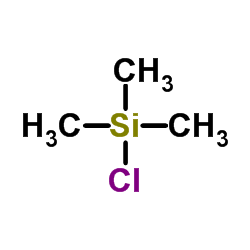

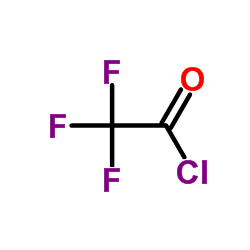

This table lists upstream starting materials and downstream derivative products related to this chemical.
| Precursor 4 | |
|---|---|
| DownStream 10 | |
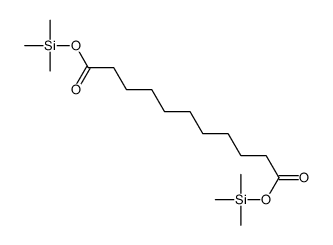 CAS#:106450-25-3
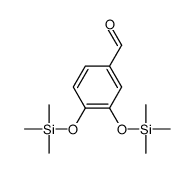 CAS#:10586-13-7
![[2,4-bis(trimethylsilyloxy)pyrimidin-5-yl]methanol structure](https://image.chemsrc.com/caspic/385/111878-20-7.png) CAS#:111878-20-7
CAS#:111878-20-7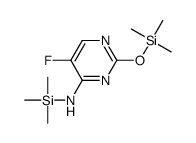 CAS#:111878-21-8
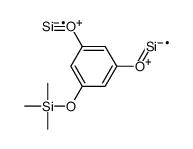 CAS#:10586-12-6
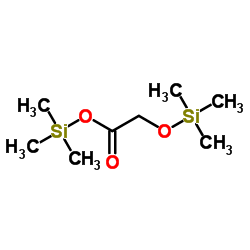 CAS#:33581-77-0
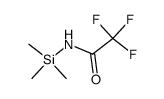 CAS#:55982-15-5
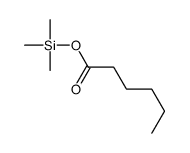 CAS#:14246-15-2
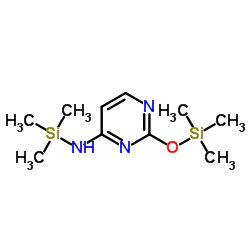 CAS#:18037-10-0
This table shows customs‑related data including HS‑code, tariff and regulatory conditions for import and export.
| HS Code | 2931900090 |
|---|---|
| Summary | 2931900090. other organo-inorganic compounds. VAT:17.0%. Tax rebate rate:13.0%. Supervision conditions:AB(certificate of inspection for goods inward,certificate of inspection for goods outward). MFN tariff:6.5%. General tariff:30.0% |
This table lists relevant public references with title, journal and publication metadata for this compound.
|
The dual FAAH/MAGL inhibitor JZL195 has enhanced effects on endocannabinoid transmission and motor behavior in rats as compared to those of the MAGL inhibitor JZL184.
Pharmacol. Biochem. Behav. 124 , 153-9, (2014) The biological actions of the endocannabinoids anandamide and 2-arachidonoyl glycerol (2-AG) are terminated by enzymatic hydrolysis of these lipids via fatty acid amide hydrolase (FAAH) and monoacylgl... |
|
|
Direct silylation of Trypanosoma brucei metabolites in aqueous samples and their GC-MS/MS analysis.
J. Chromatogr. B. Analyt. Technol. Biomed. Life Sci. 967 , 134-8, (2014) A simple two-step method for the derivatization of polar compounds (lactate, alanine, glycerol, succinate and glucose) using hexamethyldisilazane (HMDS) and N,O-bis(trimethylsilyl)trifluoroacetamide (... |
|
|
Cardiovascular disease-related parameters and oxidative stress in SHROB rats, a model for metabolic syndrome.
PLoS ONE 9(8) , e104637, (2014) SHROB rats have been suggested as a model for metabolic syndrome (MetS) as a situation prior to the onset of CVD or type-2 diabetes, but information on descriptive biochemical parameters for this mode... |
This table collects all English aliases, systematic names and CAS‑related synonyms of the compound.
| bis(trimethylsilyl)trifluoroacetamide |
| N,O-bis-TMS-trifluoroacetamide |
| N,O-Bis(trimethylsilyl)trifluoroacetamide Kit BSTFA 1 mL × Bis(trimethylsilyl) |
| 8 Reaction vial,capacity |
| N,O-BSTFA |
| EINECS 247-103-9 |
| REGISIL(R) RC-1 |
| N,N-bis(trimethylsilyl)-2,2,2-trifluoroacetamide |
| bstfa kit |
| BSTFA |
| REGISIL RC-3 |
| REGISIL RC-2 |
| REGISIL RC-1 |
| bstfa + tmcs |
| 2,2,2-Trifluoro-N,N-bis(trimethylsilyl)acetamide |
| MFCD00008269 |
This section contains frequently‑asked‑questions about this compound, including basic parameters, properties, storage conditions and corresponding answers.
| Q: What is the molecular weight of N,O-bis(trimethylsilyl)trifluoroacetamide? |
| A: Molecular weight of N,O-bis(trimethylsilyl)trifluoroacetamide is 257.401. |
| Q: What are the upstream materials of N,O-bis(trimethylsilyl)trifluoroacetamide? |
| A: Related upstream materials(CAS) of N,O-bis(trimethylsilyl)trifluoroacetamide: 75-77-4;354-38-1;354-32-5;1070-89-9. |
| Q: What is the boiling point of N,O-bis(trimethylsilyl)trifluoroacetamide? |
| A: Boiling point of N,O-bis(trimethylsilyl)trifluoroacetamide is 170.0±50.0 °C at 760 mmHg. |
| Q: What is the melting point of N,O-bis(trimethylsilyl)trifluoroacetamide? |
| A: Melting point of N,O-bis(trimethylsilyl)trifluoroacetamide is -10°C. |
| Q: How is the water solubility of N,O-bis(trimethylsilyl)trifluoroacetamide? |
| A: Water solubility of N,O-bis(trimethylsilyl)trifluoroacetamide: hydrolyses. |
| Q: What is the SMILES notation of N,O-bis(trimethylsilyl)trifluoroacetamide? |
| A: SMILES notation of N,O-bis(trimethylsilyl)trifluoroacetamide is C[Si](C)(C)N=C(O[Si](C)(C)C)C(F)(F)F. |
| Q: What is the CAS number of N,O-bis(trimethylsilyl)trifluoroacetamide? |
| A: CAS number of N,O-bis(trimethylsilyl)trifluoroacetamide is 25561-30-2. |
| Q: What are the downstream products of N,O-bis(trimethylsilyl)trifluoroacetamide? |
| A: Related downstream products(CAS) of N,O-bis(trimethylsilyl)trifluoroacetamide: 106450-25-3;10586-13-7;111878-20-7;111878-21-8;10586-12-6;33581-77-0;354-38-1;55982-15-5;14246-15-2;18037-10-0. |
| Q: What is the safety information for N,O-bis(trimethylsilyl)trifluoroacetamide? |
| A: Safety information for N,O-bis(trimethylsilyl)trifluoroacetamide: S26-S36/37/39-S45-S16. |
| Q: What is the English name of N,O-bis(trimethylsilyl)trifluoroacetamide? |
| A: The English name of N,O-bis(trimethylsilyl)trifluoroacetamide is N,O-bis(trimethylsilyl)trifluoroacetamide. |
This table lists manufacturers and suppliers of this compound, including vendor names and product supply reference information.
| Shanghai Nianxing Industrial Co., Ltd |
| Dayang Chem (Hangzhou) Co., Ltd. |
| Henan Tianfu Chemical Co., Ltd. |
| Zhongshan Xingrui Chemical Co. , Ltd. |
The content on this webpage is sourced from various professional data sources. If you have any questions or concerns regarding the content, please feel free to contact service1@chemsrc.com.
- Shanghai Nianxing Industrial Co., Ltd
- China
- Product Name: bis(trimethylsilyl)trifluoroacetamide
- Price: Check
- Purity: 98.0%
- Delivery: 10 Day
- Contact: Yang
- Email: sales@echemcloud.com
- Dayang Chem (Hangzhou) Co., Ltd.
- China
- Product Name: N,O-bis-(Trimethylsilyl)trifluoroacetamide (BSTFA)
- Price: $Inquiry/100g $Inquiry/1kg $Inquiry/100kg $Inquiry/1000kg
- Purity: 98.0%
- Delivery: Inquiry
- Contact: Ms Wang
- Email: enquiry@dycnchem.com
- Henan Tianfu Chemical Co., Ltd.
- China
- Product Name: Bis(trimethylsilyl)trifluoroacetamide
- Price: $Inquiry/1kg $Inquiry/25kg $Inquiry/1000kg $Inquiry/10ton
- Purity: 99.0%
- Delivery: Inquiry
- Contact: Anson
- Email: info@tianfuchem.com
- Zhongshan Xingrui Chemical Co. , Ltd.
- China
- Product Name: bis(trimethylsilyl)trifluoroacetamide
- Price: ¥Inquiry/25kg
- Purity: 99.0%
- Delivery: Inquiry
- Contact: Wang Jie

- Email: 3096638339@qq.com
Get all suppliers and price by the below link: