DABCO
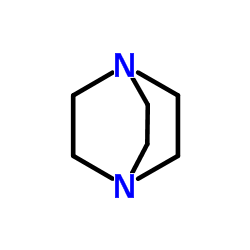
DABCO structure
|
Common Name | DABCO | ||
|---|---|---|---|---|
| CAS Number | 280-57-9 | Molecular Weight | 112.17 | |
| Density | 1.1±0.1 g/cm3 | Boiling Point | 174.0±0.0 °C at 760 mmHg | |
| Molecular Formula | C6H12N2 | Melting Point | 156-159 °C(lit.) | |
| MSDS | Chinese | Flash Point | 62.2±0.0 °C | |
| Symbol |

GHS07 |
Signal Word | Warning | |
Use of DABCO1,4-Diazabicyclo[2.2.2]octane is a biochemical reagent that can be used as a biological material or organic compound for life science related research. |
This table lists Chinese names, IUPAC names and various aliases of this chemical substance.
| Name | Triethylenediamine |
|---|---|
| Synonym | More Synonyms |
This table contains bioactivity, target information and biological‑assay experimental data of this compound.
| Description | 1,4-Diazabicyclo[2.2.2]octane is a biochemical reagent that can be used as a biological material or organic compound for life science related research. |
|---|---|
| Related Catalog | |
| In Vitro | 1,4-二氮杂双环[2.2.2]辛烷用作聚氨酯催化剂,Balis-Hillman反应催化剂络合配体和路易斯碱。它可用于染料激光器和荧光显微镜的样品镶嵌,以及作为抗褪色剂显示可清除由于荧光染料激发荧光染料而产生的 Venge 自由基。此外,它还是一种氧化和聚合催化剂。 |
This table shows physicochemical parameters including melting point, boiling point, density, solubility and optical rotation. Missing data is marked as N/A.
| Density | 1.1±0.1 g/cm3 |
|---|---|
| Boiling Point | 174.0±0.0 °C at 760 mmHg |
| Melting Point | 156-159 °C(lit.) |
| Molecular Formula | C6H12N2 |
| Molecular Weight | 112.17 |
| Flash Point | 62.2±0.0 °C |
| Exact Mass | 112.100044 |
| PSA | 6.48000 |
| LogP | -0.85 |
| Vapour Pressure | 1.2±0.3 mmHg at 25°C |
| Index of Refraction | 1.561 |
| InChIKey | IMNIMPAHZVJRPE-UHFFFAOYSA-N |
| SMILES | C1CN2CCN1CC2 |
| Storage condition | 2-8°C |
| Stability | Stable, but very hygroscopic. Incompatible with strong oxidizing agents, strong acids. Highly flammable. |
| Water Solubility | 46 g/100 mL (26 ºC) |
This table provides MSDS information including hazard classification, first‑aid, fire‑fighting, spill handling, operation and storage instructions.
This table summarizes toxicological test data, acute & chronic toxicity and ecological hazard parameters for this chemical.
CHEMICAL IDENTIFICATION
HEALTH HAZARD DATAACUTE TOXICITY DATA
|
This table covers safety warnings, protective measures, incompatible substances and disposal guidelines for this compound.
| Symbol |
GHS07 |
|---|---|
| Signal Word | Warning |
| Hazard Statements | H315-H319-H335-H412 |
| Precautionary Statements | P261-P273-P305 + P351 + P338 |
| Personal Protective Equipment | Eyeshields;Faceshields;full-face respirator (US);Gloves;multi-purpose combination respirator cartridge (US);type ABEK (EN14387) respirator filter |
| Hazard Codes | F:Flammable |
| Risk Phrases | R11;R22;R36/38;R41;R52/53 |
| Safety Phrases | S26-S60-S37/39-S3-S16-S36/37 |
| RIDADR | UN 1325 4.1/PG 2 |
| WGK Germany | 1 |
| RTECS | HM0354200 |
| Packaging Group | III |
| Hazard Class | 8 |
| HS Code | 29335920 |
This table presents publicly reported synthetic routes, reaction conditions, reactants and product information of the compound.
This table lists upstream starting materials and downstream derivative products related to this chemical.
| Precursor 8 | |
|---|---|
| DownStream 10 | |
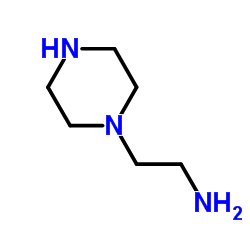 CAS#:140-31-8
 CAS#:67-56-1
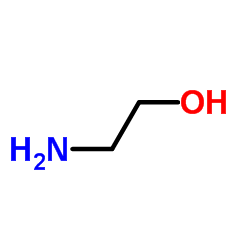 CAS#:141-43-5
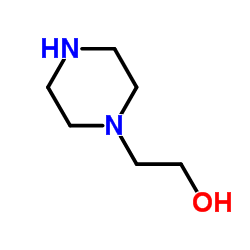 CAS#:103-76-4
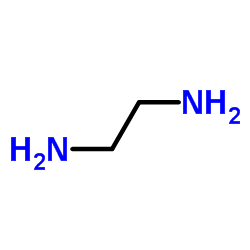 CAS#:107-15-3
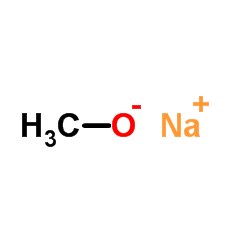 CAS#:124-41-4
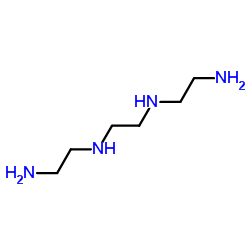 CAS#:112-24-3
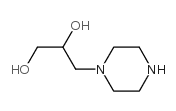 CAS#:7483-59-2
![4-butyl-1-aza-4-azoniabicyclo[2.2.2]octane structure](https://image.chemsrc.com/caspic/408/108203-98-1.png) CAS#:108203-98-1
CAS#:108203-98-1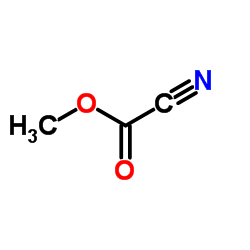 CAS#:17640-15-2
 CAS#:195532-12-8
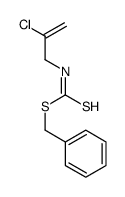 CAS#:192723-46-9
![4-oxido-1-aza-4-azoniabicyclo[2.2.2]octane structure](https://image.chemsrc.com/caspic/057/18503-52-1.png) CAS#:18503-52-1
CAS#:18503-52-1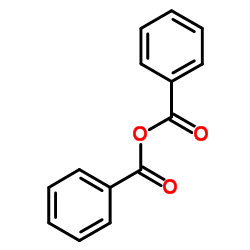 CAS#:93-97-0
 CAS#:35367-38-5
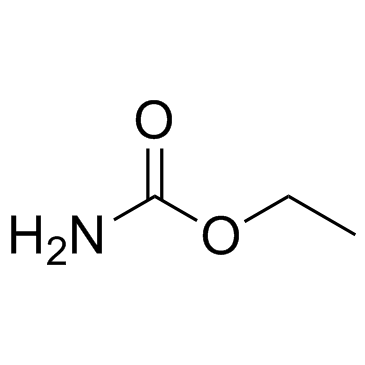 CAS#:51-79-6
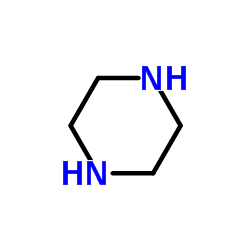 CAS#:110-85-0
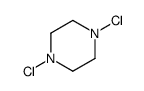 CAS#:6830-31-5
This table shows customs‑related data including HS‑code, tariff and regulatory conditions for import and export.
| HS Code | 2933990090 |
|---|---|
| Summary | 2933990090. heterocyclic compounds with nitrogen hetero-atom(s) only. VAT:17.0%. Tax rebate rate:13.0%. . MFN tariff:6.5%. General tariff:20.0% |
This table lists relevant public references with title, journal and publication metadata for this compound.
|
Imaging of a clinically relevant stroke model: glucose hypermetabolism revisited.
Stroke 46(3) , 835-42, (2015) Ischemic stroke has been shown to cause hypermetabolism of glucose in the ischemic penumbra. Experimental and clinical data indicate that infarct-related systemic hyperglycemia is a potential therapeu... |
|
|
MHC class II presentation is controlled by the lysosomal small GTPase, Arl8b.
J. Immunol. 194(5) , 2079-88, (2015) Dendritic cells (DCs) are specialized APCs with the ability to prime naive T cells. DCs first sample Ags from the environment and then orchestrate their processing and loading onto MHC class II (MHC I... |
|
|
The putative herpes simplex virus 1 chaperone protein UL32 modulates disulfide bond formation during infection.
J. Virol. 89(1) , 443-53, (2014) During DNA encapsidation, herpes simplex virus 1 (HSV-1) procapsids are converted to DNA-containing capsids by a process involving activation of the viral protease, expulsion of the scaffold proteins,... |
This table collects all English aliases, systematic names and CAS‑related synonyms of the compound.
| T66 A B CN FNTJ |
| UNII-X8M57R0JS5 |
| 1,4-diazabicyclo-[2.2.2]octane |
| dabco33lv |
| 1,4-Diazabicyclo[2.2.2]octane |
| 1,4-diazabicyclo-[2.2.2]-octane |
| DABCO |
| TEDA-L33 |
| diazabicyclooctane |
| 1,4-diazabicyclo(2.2.2) octane |
| TED |
| BACO |
| 1,4-diaza-bicyclo[2.2.2]octane |
| teda |
| triethylenediamine |
| Triethylene diamine |
| dabcoeg |
| EINECS 205-999-9 |
| MFCD00006689 |
| dabcos-25 |
This section contains frequently‑asked‑questions about this compound, including basic parameters, properties, storage conditions and corresponding answers.
| Q: What is the LogP of Triethylenediamine? |
| A: LogP of Triethylenediamine is -0.85. |
| Q: What are the downstream products of Triethylenediamine? |
| A: Related downstream products(CAS) of Triethylenediamine: 108203-98-1;17640-15-2;195532-12-8;192723-46-9;18503-52-1;93-97-0;35367-38-5;51-79-6;110-85-0;6830-31-5. |
| Q: What is the safety information for Triethylenediamine? |
| A: Safety information for Triethylenediamine: S26-S60-S37/39-S3-S16-S36/37. |
| Q: What is the CAS number of Triethylenediamine? |
| A: CAS number of Triethylenediamine is 280-57-9. |
| Q: What are the upstream materials of Triethylenediamine? |
| A: Related upstream materials(CAS) of Triethylenediamine: 140-31-8;67-56-1;141-43-5;103-76-4;107-15-3;124-41-4;112-24-3;7483-59-2. |
| Q: What are the storage conditions for Triethylenediamine? |
| A: Storage conditions for Triethylenediamine: 2-8°C. |
| Q: What are the uses of Triethylenediamine? |
| A: Main uses of Triethylenediamine: 1,4-Diazabicyclo[2.2.2]octane is a biochemical reagent that can be used as a biological material or organic compound for life science related research. |
| Q: What is the English name of Triethylenediamine? |
| A: The English name of Triethylenediamine is Triethylenediamine. |
| Q: What is the InChIKey of Triethylenediamine? |
| A: InChIKey of Triethylenediamine is IMNIMPAHZVJRPE-UHFFFAOYSA-N. |
| Q: What English synonyms does Triethylenediamine have? |
| A: English synonyms of Triethylenediamine: T66 A B CN FNTJ, UNII-X8M57R0JS5, 1,4-diazabicyclo-[2.2.2]octane, dabco33lv, 1,4-Diazabicyclo[2.2.2]octane, 1,4-diazabicyclo-[2.2.2]-octane, DABCO, TEDA-L33, diazabicyclooctane, 1,4-diazabicyclo(2.2.2) octane, TED, BACO, 1,4-diaza-bicyclo[2.2.2]octane, teda, triethylenediamine, Triethylene diamine, dabcoeg, EINECS 205-999-9, MFCD00006689, dabcos-25. |
This table lists manufacturers and suppliers of this compound, including vendor names and product supply reference information.
| Shanghai Nianxing Industrial Co., Ltd |
| Dayang Chem (Hangzhou) Co., Ltd. |
| Henan Tianfu Chemical Co., Ltd. |