L-Phenylalanine

L-Phenylalanine structure
|
Common Name | L-Phenylalanine | ||
|---|---|---|---|---|
| CAS Number | 63-91-2 | Molecular Weight | 165.189 | |
| Density | 1.2±0.1 g/cm3 | Boiling Point | 307.5±30.0 °C at 760 mmHg | |
| Molecular Formula | C9H11NO2 | Melting Point | 270-275ºC (dec.)(lit.) | |
| MSDS | USA | Flash Point | 139.8±24.6 °C | |
Use of L-PhenylalanineL-Phenylalanine is an antagonist at α2δ calcium channels with a Ki of 980 nM. IC50 Value: 980 nM [1]Target: Calcium ChannelL-Phenylalanine (LPA) is an electrically neutral amino acid, one of the twenty common amino acids used to biochemically form proteins. In the brain, L-phenylalanine is a competitive antagonist at the glycine binding site of NMDA receptor and at the glutamate binding site of AMPA receptor [2, 3]. At the glycine binding site of NMDA receptor L-phenylalanine has an apparent equilibrium dissociation constant (KB) of 573 ?M estimated by Schild regression [4] which is considerably lower than brain L-phenylalanine concentration observed in untreated human phenylketonuria [5]. L-Phenylalanine also inhibits neurotransmitter release at glutamatergic synapses in hippocampus and cortex with IC50 of 980 nM, a brain concentration seen in classical phenylketonuria, whereas D-phenylalanine has a significantly smaller effect [3]. |
This table lists Chinese names, IUPAC names and various aliases of this chemical substance.
| Name | L-phenylalanine |
|---|---|
| Synonym | More Synonyms |
This table contains bioactivity, target information and biological‑assay experimental data of this compound.
| Description | L-Phenylalanine is an antagonist at α2δ calcium channels with a Ki of 980 nM. IC50 Value: 980 nM [1]Target: Calcium ChannelL-Phenylalanine (LPA) is an electrically neutral amino acid, one of the twenty common amino acids used to biochemically form proteins. In the brain, L-phenylalanine is a competitive antagonist at the glycine binding site of NMDA receptor and at the glutamate binding site of AMPA receptor [2, 3]. At the glycine binding site of NMDA receptor L-phenylalanine has an apparent equilibrium dissociation constant (KB) of 573 ?M estimated by Schild regression [4] which is considerably lower than brain L-phenylalanine concentration observed in untreated human phenylketonuria [5]. L-Phenylalanine also inhibits neurotransmitter release at glutamatergic synapses in hippocampus and cortex with IC50 of 980 nM, a brain concentration seen in classical phenylketonuria, whereas D-phenylalanine has a significantly smaller effect [3]. |
|---|---|
| Related Catalog | |
| References |
This table shows physicochemical parameters including melting point, boiling point, density, solubility and optical rotation. Missing data is marked as N/A.
| Density | 1.2±0.1 g/cm3 |
|---|---|
| Boiling Point | 307.5±30.0 °C at 760 mmHg |
| Melting Point | 270-275ºC (dec.)(lit.) |
| Molecular Formula | C9H11NO2 |
| Molecular Weight | 165.189 |
| Flash Point | 139.8±24.6 °C |
| Exact Mass | 165.078979 |
| PSA | 63.32000 |
| LogP | 1.11 |
| Vapour Pressure | 0.0±0.7 mmHg at 25°C |
| Index of Refraction | 1.576 |
| InChIKey | COLNVLDHVKWLRT-QMMMGPOBSA-N |
| SMILES | NC(Cc1ccccc1)C(=O)O |
This table provides MSDS information including hazard classification, first‑aid, fire‑fighting, spill handling, operation and storage instructions.
This table summarizes toxicological test data, acute & chronic toxicity and ecological hazard parameters for this chemical.
CHEMICAL IDENTIFICATION
HEALTH HAZARD DATAACUTE TOXICITY DATA
MUTATION DATA
|
This table covers safety warnings, protective measures, incompatible substances and disposal guidelines for this compound.
| Personal Protective Equipment | Eyeshields;Gloves;type N95 (US);type P1 (EN143) respirator filter |
|---|---|
| Hazard Codes | C: Corrosive; |
| Risk Phrases | R36/37/38 |
| Safety Phrases | 22-24/25-37/39-45-36/37/39-27-26 |
| RIDADR | NONH for all modes of transport |
| WGK Germany | 3 |
| RTECS | AY7535000 |
| HS Code | 29224995 |
This table presents publicly reported synthetic routes, reaction conditions, reactants and product information of the compound.
This table lists upstream starting materials and downstream derivative products related to this chemical.
| Precursor 6 | |
|---|---|
| DownStream 10 | |
![3-phenyl-(2S)-[(1'R)-phenylethylamino]propionic acid Structure](https://image.chemsrc.com/caspic/203/1004755-04-7.png) CAS#:1004755-04-7
CAS#:1004755-04-7 CAS#:1202-31-9
 CAS#:150-30-1
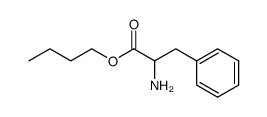 CAS#:55895-88-0
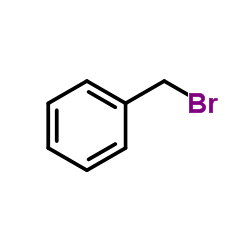 CAS#:100-39-0
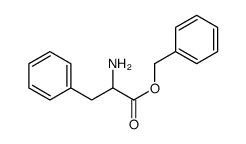 CAS#:962-39-0
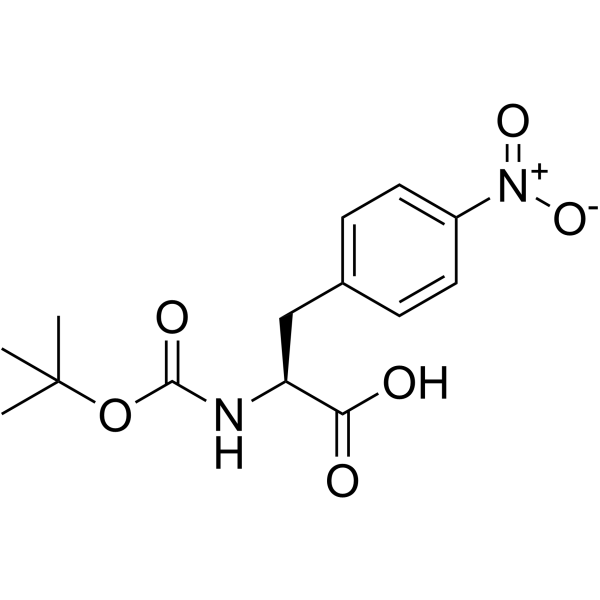 CAS#:33305-77-0
![Benzenepropanoic acid,-[(1,3-dihydro-1,3-dioxo-2H-isoindol-2-yl)oxy]-,(aR) structure](https://image.chemsrc.com/caspic/117/310404-47-8.png) CAS#:310404-47-8
CAS#:310404-47-8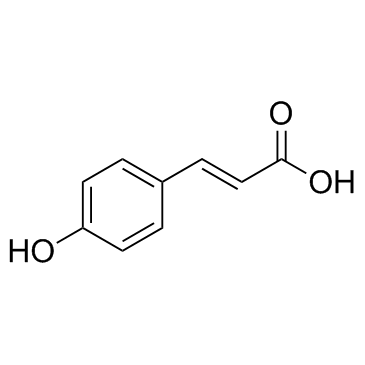 CAS#:7400-08-0
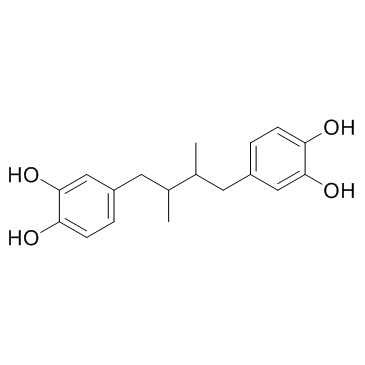 CAS#:500-38-9
 CAS#:57060-88-5
 CAS#:37553-65-4
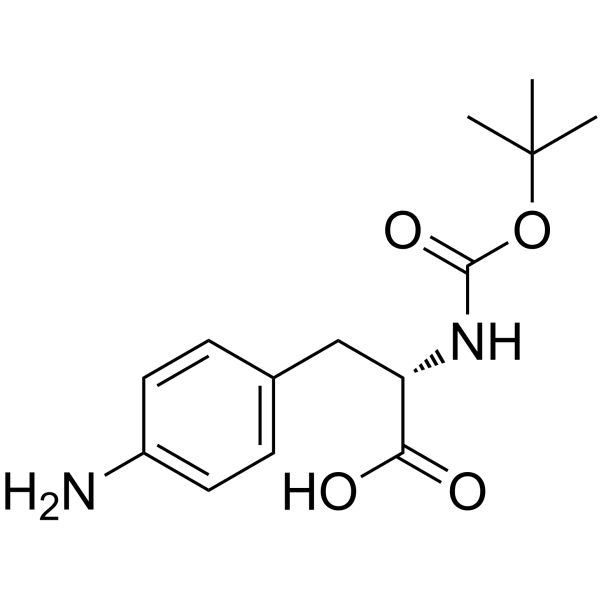 CAS#:55533-24-9
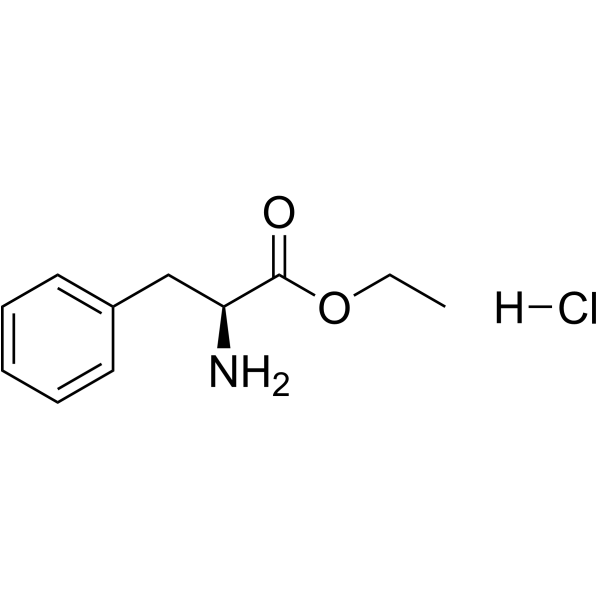 CAS#:3182-93-2
 CAS#:41994-51-8
 CAS#:37736-82-6
This table shows customs‑related data including HS‑code, tariff and regulatory conditions for import and export.
| HS Code | 29224995 |
|---|
This table lists relevant public references with title, journal and publication metadata for this compound.
|
Assessment of protein modifications in liver of rats under chronic treatment with paracetamol (acetaminophen) using two complementary mass spectrometry-based metabolomic approaches.
J. Proteomics 120 , 194-203, (2015) Liver protein can be altered under paracetamol (APAP) treatment. APAP-protein adducts and other protein modifications (oxidation/nitration, expression) play a role in hepatotoxicity induced by acute o... |
|
|
Enhanced Indirect Photochemical Transformation of Histidine and Histamine through Association with Chromophoric Dissolved Organic Matter.
Environ. Sci. Technol. 49 , 5511-9, (2015) Photochemical transformations greatly affect the stability and fate of amino acids (AAs) in sunlit aquatic ecosystems. Whereas the direct phototransformation of dissolved AAs is well investigated, the... |
|
|
Use of Commercial Dry Yeast Products Rich in Mannoproteins for White and Rosé Sparkling Wine Elaboration.
J. Agric. Food Chem. 63 , 5670-81, (2015) In sparkling wines, mannoproteins released during yeast autolysis largely affect their final quality. This process is very slow and may take several months. The aim of this work was to study the effec... |
This table contains target information, in‑vitro & in‑vivo assay data for this compound.
This table collects all English aliases, systematic names and CAS‑related synonyms of the compound.
| Benzenepropanethioic acid,S-phenyl ester |
| (S)-phenylalanine |
| L-Phenylalanine |
| EINECS 200-568-1 |
| (2S)-2-amino-3-phenylpropanoic acid |
| L-PHENYLALININE |
| H-Phe-OH |
| L-phenylalanine zwitterion |
| S-phenylalanine |
| (S)-(-)-Phenylalanine |
| Thiohydrozimtsaeurephenylester |
| (S)-a-Amino-b-phenylpropionic Acid |
| L-2-Amino-3-phenylpropionic acid |
| (S)-2-Amino-3-phenylpropionic acid |
| (S)-2-Amino-3-phenylpropanoic acid |
| C6H5CH2CH(NH2)COOH |
| (S)-a-Aminohydrocinnamic Acid |
| Phenylalanine |
| (L)-Phenylalanine |
| Phenylalanine (VAN) |
| l-Phe |
| PhE |
| phenyl 4-phenylthiobutanoate |
| S-Phenyl-3-phenylpropanthioat |
| β-phenyl-L-alanine |
| (-)-Phenylalanine |
| (S)-α-Aminobenzenepropanoic acid |
| MFCD00064227 |
| 3-Phenylpropionyl-phenyl-thioether |
| α-Amino-β-phenylpropionic acid |
| 3-Phenylthiopropionic acid,S-phenyl ester |
| (S)-A-Aminobenzenepropanoic Acid |
| Acetylcysteine Impurity 3 |
This section contains frequently‑asked‑questions about this compound, including basic parameters, properties, storage conditions and corresponding answers.
| Q: What is the English name of L-phenylalanine? |
| A: The English name of L-phenylalanine is L-phenylalanine. |
| Q: What is the safety information for L-phenylalanine? |
| A: Safety information for L-phenylalanine: 22-24/25-37/39-45-36/37/39-27-26. |
| Q: What is the polar surface area (PSA) of L-phenylalanine? |
| A: Polar surface area (PSA) of L-phenylalanine is 63.32000. |
| Q: What is the molecular formula of L-phenylalanine? |
| A: Molecular formula of L-phenylalanine is C9H11NO2. |
| Q: What is the boiling point of L-phenylalanine? |
| A: Boiling point of L-phenylalanine is 307.5±30.0 °C at 760 mmHg. |
| Q: What is the LogP of L-phenylalanine? |
| A: LogP of L-phenylalanine is 1.11. |
| Q: What is the InChIKey of L-phenylalanine? |
| A: InChIKey of L-phenylalanine is COLNVLDHVKWLRT-QMMMGPOBSA-N. |
| Q: What is the SMILES notation of L-phenylalanine? |
| A: SMILES notation of L-phenylalanine is NC(Cc1ccccc1)C(=O)O. |
| Q: What is the melting point of L-phenylalanine? |
| A: Melting point of L-phenylalanine is 270-275ºC (dec.)(lit.). |
| Q: What is the CAS number of L-phenylalanine? |
| A: CAS number of L-phenylalanine is 63-91-2. |
This table lists manufacturers and suppliers of this compound, including vendor names and product supply reference information.
| Shanghai Nianxing Industrial Co., Ltd |
| BioBioPha |
| Dayang Chem (Hangzhou) Co., Ltd. |
| Henan Tianfu Chemical Co., Ltd. |
| Zhongshan Xingrui Chemical Co. , Ltd. |
The content on this webpage is sourced from various professional data sources. If you have any questions or concerns regarding the content, please feel free to contact service1@chemsrc.com.
- Shanghai Nianxing Industrial Co., Ltd
- China
- Product Name: L-Phenylalanine
- Price: Check
- Purity: 98.0%
- Delivery: 10 Day
- Contact: Yang
- Email: sales@echemcloud.com
- BioBioPha
- China
- Product Name: L-Phenylalanine
- Price: ¥Inquiry/5mg
- Purity: 98.0%
- Delivery: 10 Day
- Contact: Xueping-Zheng
- Email: 1477035482@qq.com
- Dayang Chem (Hangzhou) Co., Ltd.
- China
- Product Name: L-Phenylalanine
- Price: $Inquiry/100g $Inquiry/1kg $Inquiry/100kg $Inquiry/1000kg
- Purity: 98.0%
- Delivery: Inquiry
- Contact: Ms Wang
- Email: enquiry@dycnchem.com
- Henan Tianfu Chemical Co., Ltd.
- China
- Product Name: L-Phenylalanine
- Price: $Inquiry/1kg $Inquiry/25kg $Inquiry/1000kg $Inquiry/10ton
- Purity: 99.0%
- Delivery: Inquiry
- Contact: Anson
- Email: info@tianfuchem.com
- Zhongshan Xingrui Chemical Co. , Ltd.
- China
- Product Name: L-Phenylalanine
- Price: ¥Inquiry/25kg
- Purity: 99.0%
- Delivery: Inquiry
- Contact: Wang Jie

- Email: 3096638339@qq.com
Get all suppliers and price by the below link:
Reference only. check more L-Phenylalanine price