Tetracaine

Tetracaine structure
|
Common Name | Tetracaine | ||
|---|---|---|---|---|
| CAS Number | 94-24-6 | Molecular Weight | 264.363 | |
| Density | 1.0±0.1 g/cm3 | Boiling Point | 389.4±27.0 °C at 760 mmHg | |
| Molecular Formula | C15H24N2O2 | Melting Point | 43 °C | |
| MSDS | Chinese USA | Flash Point | 189.3±23.7 °C | |
| Symbol |


GHS06, GHS08 |
Signal Word | Danger | |
Use of TetracaineTetracaine is a topical local anesthetic for the eyes; works by interfering with entry of sodium ions into nerve cells. |
Summary: Tetracaine, also known as丁卡因, has a CAS number of 94-24-6, with a molecular formula of C15H24N2O2 and a molecular weight of 264.363. It appears as a white crystalline powder with a melting point of 43 °C and is used for anesthesia. For research-use only, not for medical or clinical usage.
This table lists Chinese names, IUPAC names and various aliases of this chemical substance.
| Name | tetracaine |
|---|---|
| Synonym | More Synonyms |
This table contains bioactivity, target information and biological‑assay experimental data of this compound.
| Description | Tetracaine is a topical local anesthetic for the eyes; works by interfering with entry of sodium ions into nerve cells. |
|---|---|
| Related Catalog |
This table shows physicochemical parameters including melting point, boiling point, density, solubility and optical rotation. Missing data is marked as N/A.
| Density | 1.0±0.1 g/cm3 |
|---|---|
| Boiling Point | 389.4±27.0 °C at 760 mmHg |
| Melting Point | 43 °C |
| Molecular Formula | C15H24N2O2 |
| Molecular Weight | 264.363 |
| Flash Point | 189.3±23.7 °C |
| Exact Mass | 264.183777 |
| PSA | 41.57000 |
| LogP | 3.65 |
| Vapour Pressure | 0.0±0.9 mmHg at 25°C |
| Index of Refraction | 1.538 |
This table provides MSDS information including hazard classification, first‑aid, fire‑fighting, spill handling, operation and storage instructions.
This table summarizes toxicological test data, acute & chronic toxicity and ecological hazard parameters for this chemical.
CHEMICAL IDENTIFICATION
HEALTH HAZARD DATAACUTE TOXICITY DATA
MUTATION DATA
|
This table covers safety warnings, protective measures, incompatible substances and disposal guidelines for this compound.
| Symbol |
GHS06, GHS08 |
|---|---|
| Signal Word | Danger |
| Hazard Statements | H301-H317-H351 |
| Precautionary Statements | P280-P301 + P310 |
| Hazard Codes | Xn:Harmful; |
| Risk Phrases | R22;R40;R42/43 |
| Safety Phrases | S22-S36/37 |
| RIDADR | UN 2811 |
| RTECS | DG4725000 |
| HS Code | 2922499990 |
This table presents publicly reported synthetic routes, reaction conditions, reactants and product information of the compound.
|
~94%
Tetracaine CAS#:94-24-6 |
| Literature: Abdullaev Pharmaceutical Chemistry Journal, 2002 , vol. 36, # 1 p. 28 - 31 |
|
~%
Tetracaine CAS#:94-24-6 |
| Literature: Journal of the Society of Chemical Industry, London, , vol. 64, p. 177 US1889645 , ; DE582715 , ; Fortschr. Teerfarbenfabr. Verw. Industriezweige, vol. 19, p. 1536 |
|
~%
Tetracaine CAS#:94-24-6 |
| Literature: Journal of the Society of Chemical Industry, London, , vol. 64, p. 177 |
|
~%
Tetracaine CAS#:94-24-6 |
| Literature: Journal of the Society of Chemical Industry, London, , vol. 64, p. 177 US1889645 , ; DE582715 , ; Fortschr. Teerfarbenfabr. Verw. Industriezweige, vol. 19, p. 1536 |
|
~%
Tetracaine CAS#:94-24-6 |
| Literature: US1889645 , ; |
|
~%
Tetracaine CAS#:94-24-6 |
| Literature: US1889645 , ; DE582715 , ; Fortschr. Teerfarbenfabr. Verw. Industriezweige, vol. 19, p. 1536 |
|
~%
Tetracaine CAS#:94-24-6 |
| Literature: Journal of the Society of Chemical Industry, London, , vol. 64, p. 177 |

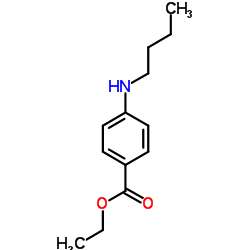
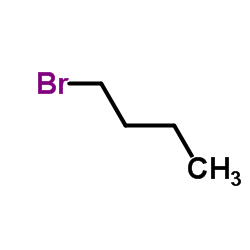
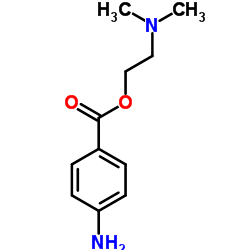
This table lists upstream starting materials and downstream derivative products related to this chemical.
| Precursor 8 | |
|---|---|
| DownStream 0 | |
This table shows customs‑related data including HS‑code, tariff and regulatory conditions for import and export.
| HS Code | 2922499990 |
|---|---|
| Summary | HS:2922499990 other amino-acids, other than those containing more than one kind of oxygen function, and their esters; salts thereof VAT:17.0% Tax rebate rate:9.0% Supervision conditions:AB(certificate of inspection for goods inward,certificate of inspection for goods outward) MFN tariff:6.5% General tariff:30.0% |
This table lists relevant public references with title, journal and publication metadata for this compound.
|
Effect of melatonin and analogues on corneal wound healing: involvement of Mt2 melatonin receptor.
Curr. Eye Res. 40(1) , 56-65, (2014) We have investigated the effect of melatonin and its analogues on rabbit corneal epithelial wound healing.New Zealand rabbits were anaesthetised and wounds were made by placing Whatman paper discs soa... |
|
|
Cheminformatics analysis of assertions mined from literature that describe drug-induced liver injury in different species.
Chem. Res. Toxicol. 23 , 171-83, (2010) Drug-induced liver injury is one of the main causes of drug attrition. The ability to predict the liver effects of drug candidates from their chemical structures is critical to help guide experimental... |
|
|
Calculating virtual log P in the alkane/water system (log P(N)(alk)) and its derived parameters deltalog P(N)(oct-alk) and log D(pH)(alk).
J. Med. Chem. 48 , 3269-79, (2005) Growing interest in the use of both the logarithm of the partition coefficient of the neutral species in the alkane/water system (log P(N)(alk)) and the difference between log P(N)(oct) (the logarithm... |
This table contains target information, in‑vitro & in‑vivo assay data for this compound.
This table collects all English aliases, systematic names and CAS‑related synonyms of the compound.
| Benzoic acid, 4-(butylamino)-, 2-(dimethylamino)ethyl ester |
| Tetracaina |
| Tetrakain |
| Anetain |
| EINECS 202-316-6 |
| Pontocaine |
| Dicaine |
| Contralgin |
| 2-(Dimethylamino)ethyl-4-(butylamino)benzolcarboxylat |
| Tetracainum |
| dicaine base |
| MFCD00053787 |
| Amethocaine |
| 2-(Dimethylamino)ethyl 4-(butylamino)benzoate |
| Uromucaesthin |
| Tetracaine |
This section contains frequently‑asked‑questions about this compound, including basic parameters, properties, storage conditions and corresponding answers.
| Q: What are the uses of tetracaine? |
| A: Main uses of tetracaine: Tetracaine is a topical local anesthetic for the eyes; works by interfering with entry of sodium ions into nerve cells. |
| Q: What is the safety information for tetracaine? |
| A: Safety information for tetracaine: S22-S36/37. |
| Q: What is the melting point of tetracaine? |
| A: Melting point of tetracaine is 43 °C. |
| Q: What is the LogP of tetracaine? |
| A: LogP of tetracaine is 3.65. |
| Q: What is the boiling point of tetracaine? |
| A: Boiling point of tetracaine is 389.4±27.0 °C at 760 mmHg. |
| Q: What is the molecular formula of tetracaine? |
| A: Molecular formula of tetracaine is C15H24N2O2. |
| Q: What is the molecular weight of tetracaine? |
| A: Molecular weight of tetracaine is 264.363. |
| Q: What are the upstream materials of tetracaine? |
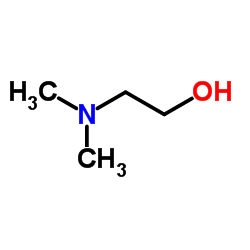
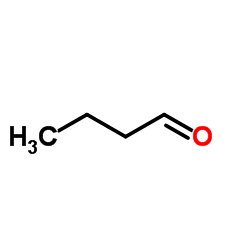
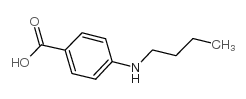
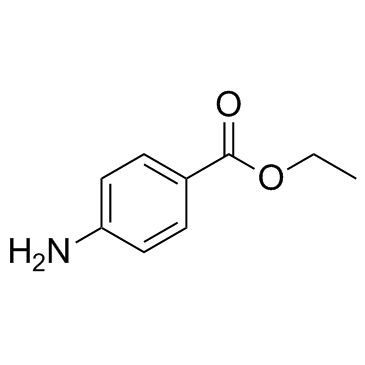
| A: Related upstream materials(CAS) of tetracaine: 108-01-0;99-77-4;123-72-8;4740-24-3;94-09-7;94-32-6;109-65-9;10012-47-2. |
| Q: What is the polar surface area (PSA) of tetracaine? |
| A: Polar surface area (PSA) of tetracaine is 41.57000. |
| Q: What is the CAS number of tetracaine? |
| A: CAS number of tetracaine is 94-24-6. |
This table lists manufacturers and suppliers of this compound, including vendor names and product supply reference information.
| Shanghai Nianxing Industrial Co., Ltd |
| Henan Tianfu Chemical Co., Ltd. |