Cyclopentanol

Cyclopentanol structure
|
Common Name | Cyclopentanol | ||
|---|---|---|---|---|
| CAS Number | 96-41-3 | Molecular Weight | 86.132 | |
| Density | 1.0±0.1 g/cm3 | Boiling Point | 140.8±0.0 °C at 760 mmHg | |
| Molecular Formula | C5H10O | Melting Point | -19 °C | |
| MSDS | Chinese USA | Flash Point | 51.1±0.0 °C | |
| Symbol |

GHS02 |
Signal Word | Warning | |
This table lists Chinese names, IUPAC names and various aliases of this chemical substance.
| Name | cyclopentanol |
|---|---|
| Synonym | More Synonyms |
This table shows physicochemical parameters including melting point, boiling point, density, solubility and optical rotation. Missing data is marked as N/A.
| Density | 1.0±0.1 g/cm3 |
|---|---|
| Boiling Point | 140.8±0.0 °C at 760 mmHg |
| Melting Point | -19 °C |
| Molecular Formula | C5H10O |
| Molecular Weight | 86.132 |
| Flash Point | 51.1±0.0 °C |
| Exact Mass | 86.073166 |
| PSA | 20.23000 |
| LogP | 0.78 |
| Vapour Pressure | 2.5±0.5 mmHg at 25°C |
| Index of Refraction | 1.487 |
| Storage condition | Flammables area |
| Stability | Stable. Flammable. Incompatible with strong oxidizing agents, acid chlorides, acid anhydrides. |
| Water Solubility | slightly soluble |
This table provides MSDS information including hazard classification, first‑aid, fire‑fighting, spill handling, operation and storage instructions.
This table covers safety warnings, protective measures, incompatible substances and disposal guidelines for this compound.
| Symbol |
GHS02 |
|---|---|
| Signal Word | Warning |
| Hazard Statements | H226 |
| Personal Protective Equipment | Eyeshields;Faceshields;full-face respirator (US);Gloves;multi-purpose combination respirator cartridge (US);type ABEK (EN14387) respirator filter |
| Hazard Codes | Xi: Irritant; |
| Risk Phrases | R10 |
| Safety Phrases | S16 |
| RIDADR | UN 2244 3/PG 3 |
| WGK Germany | 1 |
| Packaging Group | III |
| Hazard Class | 3 |
| HS Code | 2906199090 |
This table presents publicly reported synthetic routes, reaction conditions, reactants and product information of the compound.
This table lists upstream starting materials and downstream derivative products related to this chemical.
| Precursor 10 | |
|---|---|
| DownStream 9 | |
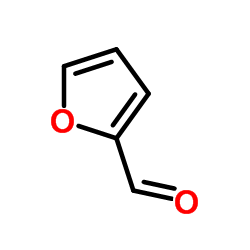
 CAS#:98-00-0
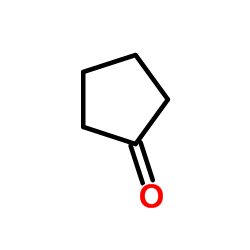 CAS#:120-92-3
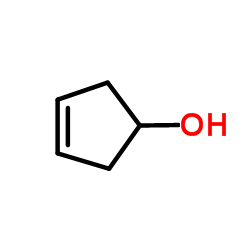
 CAS#:98-01-1
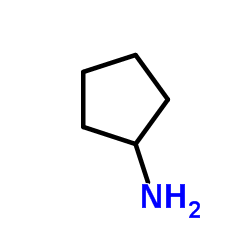
 CAS#:14320-38-8
 CAS#:1003-03-8
 CAS#:285-67-6
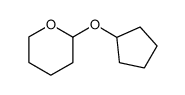 CAS#:85382-33-8
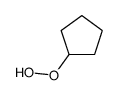 CAS#:39852-66-9
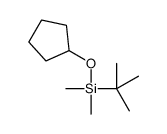 CAS#:135746-46-2
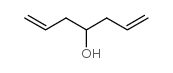 CAS#:2883-45-6
 CAS#:111711-86-5
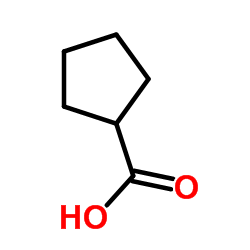 CAS#:3400-45-1
 CAS#:50715-28-1
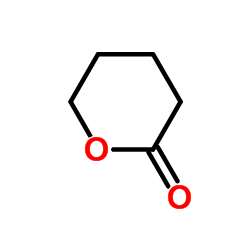 CAS#:542-28-9
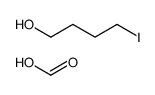 CAS#:85382-32-7
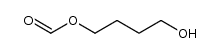 CAS#:35435-67-7
 CAS#:572924-00-6
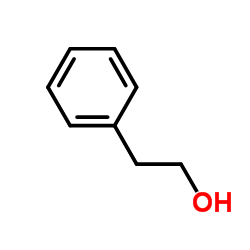 CAS#:98-85-1
This table shows customs‑related data including HS‑code, tariff and regulatory conditions for import and export.
| HS Code | 2906199090 |
|---|---|
| Summary | 2906199090. cyclanic, cyclenic or cyclotherpenic alcohols. VAT:17.0%. Tax rebate rate:13.0%. . MFN tariff:5.5%. General tariff:30.0% |
This table lists relevant public references with title, journal and publication metadata for this compound.
|
Convenient QSAR model for predicting the complexation of structurally diverse compounds with β-cyclodextrins
Bioorg. Med. Chem. 17 , 896-904, (2009) This paper reports a QSAR study for predicting the complexation of a large and heterogeneous variety of substances (233 organic compounds) with beta-cyclodextrins (beta-CDs). Several different theoret... |
|
|
Optical, Electrochemical and Thermoanalytical Investigations on Newly-Synthesized Perylene-3,4,9,10-Dianhydride Fluorescent Dyes.
J. Fluoresc. 25 , 1045-53, (2015) A series of dyes using tetrachloroperylene dianhydride as fluorescent chromophore was synthesized by the substitution of suitable aliphatic and alicyclic alcohols in alkaline medium, and evaluation of... |
|
|
New enzymatic assay for the AKR1C enzymes.
Chem. Biol. Interact. 202(1-3) , 204-9, (2013) The imbalance in expression of the human aldo-keto reductases AKR1C1-AKR1C3 is related to different hormone dependent and independent cancers and some other diseases. The AKR1C1-3 enzymes thus represe... |
This table collects all English aliases, systematic names and CAS‑related synonyms of the compound.
| cyclopentane-1,2-dicarboxylic acid |
| cyclopentane-trans-1,2-dicarboxylic acid |
| cyclopentyl alcohol |
| hydroxycyclopentane |
| 1,2-cyclopentane dicarboxylic acid |
| 1-hydroxycyclopentane |
| Cyclopentandicarbonsaeure |
| EINECS 202-504-8 |
| Cyclopentanol |
| MFCD00001363 |
| cyclo-pentanol |
| trans-DL-1,2-cyclopentanedicarboxylic acid |
This section contains frequently‑asked‑questions about this compound, including basic parameters, properties, storage conditions and corresponding answers.
| Q: What is the LogP of cyclopentanol? |
| A: LogP of cyclopentanol is 0.78. |
| Q: What is the polar surface area (PSA) of cyclopentanol? |
| A: Polar surface area (PSA) of cyclopentanol is 20.23000. |
| Q: What is the molecular formula of cyclopentanol? |
| A: Molecular formula of cyclopentanol is C5H10O. |
| Q: What is the molecular weight of cyclopentanol? |
| A: Molecular weight of cyclopentanol is 86.132. |
| Q: What is the English name of cyclopentanol? |
| A: The English name of cyclopentanol is cyclopentanol. |
| Q: What is the safety information for cyclopentanol? |
| A: Safety information for cyclopentanol: S16. |
| Q: How is the water solubility of cyclopentanol? |
| A: Water solubility of cyclopentanol: slightly soluble. |
| Q: What is the CAS number of cyclopentanol? |
| A: CAS number of cyclopentanol is 96-41-3. |
| Q: What are the upstream materials of cyclopentanol? |
| A: Related upstream materials(CAS) of cyclopentanol: 98-00-0;120-92-3;98-01-1;14320-38-8;1003-03-8;285-67-6;85382-33-8;39852-66-9;135746-46-2;2883-45-6. |
| Q: What is the melting point of cyclopentanol? |
| A: Melting point of cyclopentanol is -19 °C. |
This table lists manufacturers and suppliers of this compound, including vendor names and product supply reference information.
| Shanghai Nianxing Industrial Co., Ltd |
| Dayang Chem (Hangzhou) Co., Ltd. |
| Henan Tianfu Chemical Co., Ltd. |