2-Methylpentanoic acid

2-Methylpentanoic acid structure
|
Common Name | 2-Methylpentanoic acid | ||
|---|---|---|---|---|
| CAS Number | 97-61-0 | Molecular Weight | 116.158 | |
| Density | 0.9±0.1 g/cm3 | Boiling Point | 195.4±8.0 °C at 760 mmHg | |
| Molecular Formula | C6H12O2 | Melting Point | -85°C | |
| MSDS | Chinese USA | Flash Point | 91.1±0.0 °C | |
| Symbol |

GHS05 |
Signal Word | Danger | |
Use of 2-Methylpentanoic acid2-Methylvaleric acid (2-Methylpentanoic acid) is a short-chain fatty acid isolated from Campomanesia adamantium and dairy products. 2-Methylvaleric acid is also found in animal feces. 2-Methylvaleric acid is a flavor compound used for food-flavor ingredient, fragrances[1][2][3]. |
This table lists Chinese names, IUPAC names and various aliases of this chemical substance.
| Name | 2-methylvaleric acid |
|---|---|
| Synonym | More Synonyms |
This table contains bioactivity, target information and biological‑assay experimental data of this compound.
| Description | 2-Methylvaleric acid (2-Methylpentanoic acid) is a short-chain fatty acid isolated from Campomanesia adamantium and dairy products. 2-Methylvaleric acid is also found in animal feces. 2-Methylvaleric acid is a flavor compound used for food-flavor ingredient, fragrances[1][2][3]. |
|---|---|
| Related Catalog | |
| Target |
Human Endogenous Metabolite |
| References |
This table shows physicochemical parameters including melting point, boiling point, density, solubility and optical rotation. Missing data is marked as N/A.
| Density | 0.9±0.1 g/cm3 |
|---|---|
| Boiling Point | 195.4±8.0 °C at 760 mmHg |
| Melting Point | -85°C |
| Molecular Formula | C6H12O2 |
| Molecular Weight | 116.158 |
| Flash Point | 91.1±0.0 °C |
| Exact Mass | 116.083733 |
| PSA | 37.30000 |
| LogP | 1.66 |
| Vapour Pressure | 0.2±0.8 mmHg at 25°C |
| Index of Refraction | 1.425 |
| InChIKey | OVBFMEVBMNZIBR-UHFFFAOYSA-N |
| SMILES | CCCC(C)C(=O)O |
This table provides MSDS information including hazard classification, first‑aid, fire‑fighting, spill handling, operation and storage instructions.
This table summarizes toxicological test data, acute & chronic toxicity and ecological hazard parameters for this chemical.
CHEMICAL IDENTIFICATION
HEALTH HAZARD DATAACUTE TOXICITY DATA
|
This table covers safety warnings, protective measures, incompatible substances and disposal guidelines for this compound.
| Symbol |
GHS05 |
|---|---|
| Signal Word | Danger |
| Hazard Statements | H314 |
| Precautionary Statements | P280-P305 + P351 + P338-P310 |
| Personal Protective Equipment | Faceshields;full-face respirator (US);Gloves;Goggles;multi-purpose combination respirator cartridge (US);type ABEK (EN14387) respirator filter |
| Hazard Codes | C:Corrosive; |
| Risk Phrases | R34 |
| Safety Phrases | S26-S36/37/39-S45-S27 |
| RIDADR | UN 3265 8/PG 2 |
| WGK Germany | 3 |
| RTECS | YV7700000 |
| Packaging Group | III |
| Hazard Class | 8 |
| HS Code | 2915900090 |
This table presents publicly reported synthetic routes, reaction conditions, reactants and product information of the compound.
This table lists upstream starting materials and downstream derivative products related to this chemical.
| Precursor 10 | |
|---|---|
| DownStream 10 | |
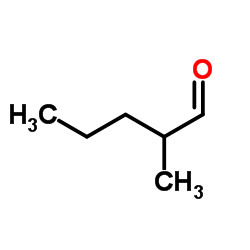 CAS#:123-15-9
 CAS#:201230-82-2
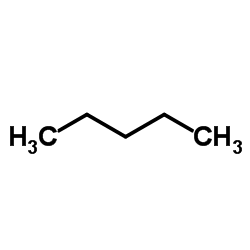 CAS#:109-66-0
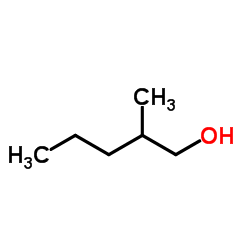 CAS#:105-30-6
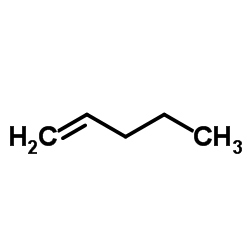 CAS#:109-67-1
 CAS#:89585-04-6
 CAS#:71-41-0
 CAS#:110-54-3
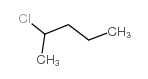 CAS#:625-29-6
 CAS#:124-38-9
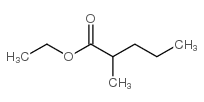 CAS#:39255-32-8
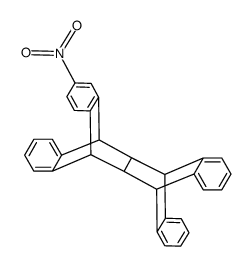 CAS#:14753-05-0
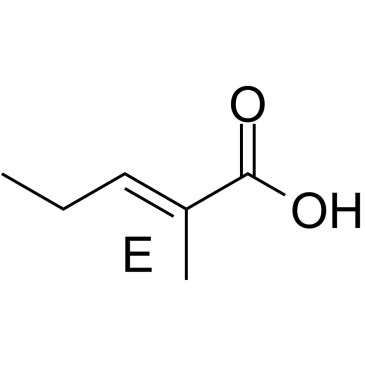 CAS#:16957-70-3
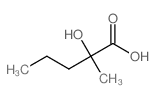 CAS#:28892-68-4
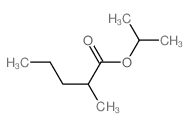 CAS#:6639-15-2
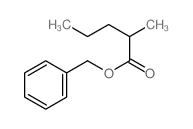 CAS#:6640-85-3
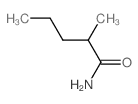 CAS#:6941-49-7
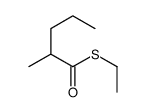 CAS#:89375-03-1
This table shows customs‑related data including HS‑code, tariff and regulatory conditions for import and export.
| HS Code | 2915900090 |
|---|---|
| Summary | 2915900090 other saturated acyclic monocarboxylic acids and their anhydrides, halides, peroxides and peroxyacids; their halogenated, sulphonated, nitrated or nitrosated derivatives VAT:17.0% Tax rebate rate:9.0% Supervision conditions:AB(certificate of inspection for goods inward,certificate of inspection for goods outward) MFN tariff:5.5% General tariff:30.0% |
This table lists relevant public references with title, journal and publication metadata for this compound.
|
Ruminal degradation of quercetin and its influence on fermentation in ruminants.
J. Dairy Sci. 98 , 5688-98, (2015) The aim of the present study was to investigate the ruminal degradation of the flavonol quercetin and to determine its potential antimicrobial effects on ruminal fermentation in cows. Ruminal degradat... |
|
|
Physical Properties, Volatiles Compositions and Sensory Descriptions of the Aromatized Hazelnut Oil-Wax Organogels.
J. Food Sci. 80 , S2035-44, (2015) The purpose of this study was to determine the physicochemical, thermal and sensorial features of vitamin enriched and aromatized hazelnut oil-beeswax and sunflower wax organogels. Another objective w... |
|
|
Internal standards for gas chromatographic analysis of metabolic end products from anaerobic bacteria.
Appl. Environ. Microbiol. 33(4) , 1002-3, (1977) 2-Methylpentanoic acid and benzoic acid are suggested for use as routine internal standards for gas chromatographic analysis of microbial end products. |
This table collects all English aliases, systematic names and CAS‑related synonyms of the compound.
| 2-METHYL-N-VALERIC ACID |
| α-Methylvaleric acid |
| 2-methyl pentanoic acid |
| 2-METHYLPENTANOIC ACID FOR SYNTHESIS |
| methylvaleric acid |
| methylpentanoic acid |
| 2-Methylvaleric acid |
| 2-methylpentanoic |
| 2-Methyl-valeric acid |
| acidemethylvalerique |
| 2-Methylvalerate |
| 2-Methylpentanoic acid |
| 2-Methylvalericacid |
| QVY3&1 |
| 2-METHYL VALERIC ACID |
| 2-methyl-valericacid |
| EINECS 202-594-9 |
| MFCD00002671 |
This section contains frequently‑asked‑questions about this compound, including basic parameters, properties, storage conditions and corresponding answers.
| Q: What are the downstream products of 2-methylvaleric acid? |
| A: Related downstream products(CAS) of 2-methylvaleric acid: 39255-32-8;123-15-9;105-30-6;14753-05-0;16957-70-3;28892-68-4;6639-15-2;6640-85-3;6941-49-7;89375-03-1. |
| Q: What is the English name of 2-methylvaleric acid? |
| A: The English name of 2-methylvaleric acid is 2-methylvaleric acid. |
| Q: What is the boiling point of 2-methylvaleric acid? |
| A: Boiling point of 2-methylvaleric acid is 195.4±8.0 °C at 760 mmHg. |
| Q: What is the InChIKey of 2-methylvaleric acid? |
| A: InChIKey of 2-methylvaleric acid is OVBFMEVBMNZIBR-UHFFFAOYSA-N. |
| Q: What is the polar surface area (PSA) of 2-methylvaleric acid? |
| A: Polar surface area (PSA) of 2-methylvaleric acid is 37.30000. |
| Q: What is the molecular formula of 2-methylvaleric acid? |
| A: Molecular formula of 2-methylvaleric acid is C6H12O2. |
| Q: What is the LogP of 2-methylvaleric acid? |
| A: LogP of 2-methylvaleric acid is 1.66. |
| Q: What English synonyms does 2-methylvaleric acid have? |
| A: English synonyms of 2-methylvaleric acid: 2-METHYL-N-VALERIC ACID, α-Methylvaleric acid, 2-methyl pentanoic acid, 2-METHYLPENTANOIC ACID FOR SYNTHESIS, methylvaleric acid, methylpentanoic acid, 2-Methylvaleric acid, 2-methylpentanoic, 2-Methyl-valeric acid, acidemethylvalerique, 2-Methylvalerate, 2-Methylpentanoic acid, 2-Methylvalericacid, QVY3&1, 2-METHYL VALERIC ACID, 2-methyl-valericacid, EINECS 202-594-9, MFCD00002671. |
| Q: What is the CAS number of 2-methylvaleric acid? |
| A: CAS number of 2-methylvaleric acid is 97-61-0. |
| Q: What are the uses of 2-methylvaleric acid? |
| A: Main uses of 2-methylvaleric acid: 2-Methylvaleric acid (2-Methylpentanoic acid) is a short-chain fatty acid isolated from Campomanesia adamantium and dairy products. 2-Methylvaleric acid is also found in animal feces. 2-Methylvaleric acid is a flavor compound used for food-flavor ingredient, fragrances[1][2][3]. |
This table lists manufacturers and suppliers of this compound, including vendor names and product supply reference information.
| Shanghai Nianxing Industrial Co., Ltd |
| Dayang Chem (Hangzhou) Co., Ltd. |