Ethyl lactate
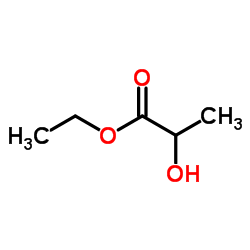
Ethyl lactate structure
|
Common Name | Ethyl lactate | ||
|---|---|---|---|---|
| CAS Number | 97-64-3 | Molecular Weight | 118.131 | |
| Density | 1.1±0.1 g/cm3 | Boiling Point | 154.5±0.0 °C at 760 mmHg | |
| Molecular Formula | C5H10O3 | Melting Point | -26°C | |
| MSDS | Chinese USA | Flash Point | 48.9±0.0 °C | |
| Symbol |


GHS02, GHS05, GHS07 |
Signal Word | Danger | |
Summary: Ethyl lactate, Chinese name 乳酸乙酯, CAS number 97-64-3, molecular formula C5H10O3, molecular weight 118.131. Colorless liquid, melting point -26°C, boiling point 154.5±0.0 °C, density 1.1±0.1 g/cm3. Used as a solvent for nitrocellulose and cellulose acetate, and for flavor industry, such as fruit and lactose-type edible and wine flavor essences. GB 2760—96 lists it as an allowable food flavoring agent, often used as a food additive. For research-use only, not for medical or clinical usage.
This table lists Chinese names, IUPAC names and various aliases of this chemical substance.
| Name | Ethyl lactate |
|---|---|
| Synonym | More Synonyms |
This table shows physicochemical parameters including melting point, boiling point, density, solubility and optical rotation. Missing data is marked as N/A.
| Density | 1.1±0.1 g/cm3 |
|---|---|
| Boiling Point | 154.5±0.0 °C at 760 mmHg |
| Melting Point | -26°C |
| Molecular Formula | C5H10O3 |
| Molecular Weight | 118.131 |
| Flash Point | 48.9±0.0 °C |
| Exact Mass | 118.062996 |
| PSA | 46.53000 |
| LogP | -0.19 |
| Vapour Pressure | 1.2±0.6 mmHg at 25°C |
| Index of Refraction | 1.420 |
| InChIKey | LZCLXQDLBQLTDK-UHFFFAOYSA-N |
| SMILES | CCOC(=O)C(C)O |
| Stability | Stable. Combustible. Incompatible with strong oxidizing agents. |
This table provides MSDS information including hazard classification, first‑aid, fire‑fighting, spill handling, operation and storage instructions.
This table summarizes toxicological test data, acute & chronic toxicity and ecological hazard parameters for this chemical.
CHEMICAL IDENTIFICATION
HEALTH HAZARD DATAACUTE TOXICITY DATA
|
This table covers safety warnings, protective measures, incompatible substances and disposal guidelines for this compound.
| Symbol |
GHS02, GHS05, GHS07 |
|---|---|
| Signal Word | Danger |
| Hazard Statements | H226-H318-H335 |
| Precautionary Statements | P261-P280-P305 + P351 + P338 |
| Personal Protective Equipment | Eyeshields;Faceshields;full-face respirator (US);Gloves;multi-purpose combination respirator cartridge (US);type ABEK (EN14387) respirator filter |
| Hazard Codes | Xi:Irritant |
| Risk Phrases | R10;R37;R41 |
| Safety Phrases | S24-S26-S39 |
| RIDADR | 1192 |
| RTECS | OD5075000 |
| Packaging Group | III |
| Hazard Class | 3.2 |
| HS Code | 2918110000 |
This table presents publicly reported synthetic routes, reaction conditions, reactants and product information of the compound.
This table lists upstream starting materials and downstream derivative products related to this chemical.
| Precursor 10 | |
|---|---|
| DownStream 9 | |
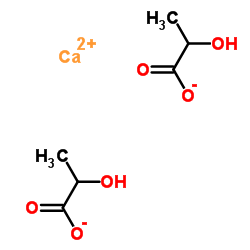 CAS#:814-80-2
 CAS#:64-17-5
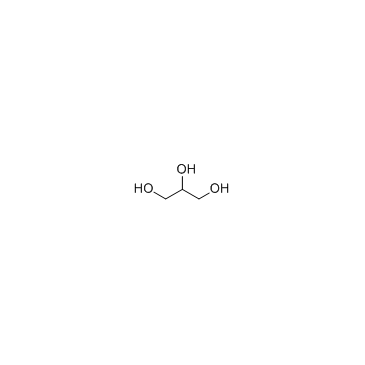 CAS#:56-81-5
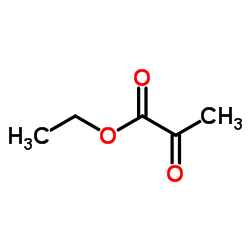 CAS#:617-35-6
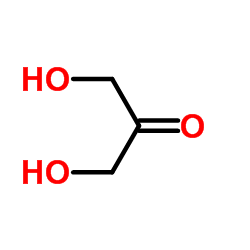 CAS#:96-26-4
 CAS#:57-50-1
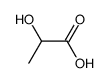 CAS#:849585-22-4
![ethyl 2-[tert-butyl(dimethyl)silyl]oxypropanoate Structure](https://image.chemsrc.com/caspic/218/105198-38-7.png) CAS#:105198-38-7
CAS#:105198-38-7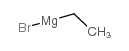 CAS#:925-90-6
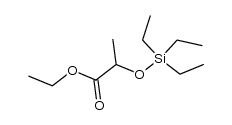 CAS#:109170-82-3
![Furo[2,3-b]pyridin-3(2H)-one, 2-methyl- (9CI) structure](https://image.chemsrc.com/caspic/433/109274-84-2.png) CAS#:109274-84-2
CAS#:109274-84-2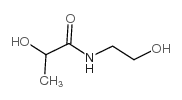 CAS#:5422-34-4
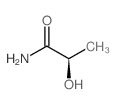 CAS#:598-81-2
 CAS#:349-43-9
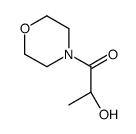 CAS#:146432-17-9
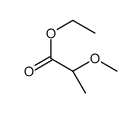 CAS#:41918-08-5
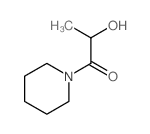 CAS#:19737-10-1
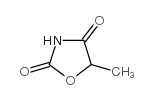 CAS#:27770-23-6
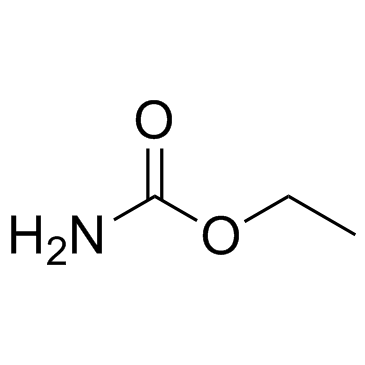 CAS#:51-79-6
This table shows customs‑related data including HS‑code, tariff and regulatory conditions for import and export.
| HS Code | 2918110000 |
|---|---|
| Summary | 2918110000. lactic acid, its salts and esters. VAT:17.0%. Tax rebate rate:13.0%. Supervision conditions:AB(certificate of inspection for goods inward,certificate of inspection for goods outward). MFN tariff:6.5%. General tariff:30.0% |
This table lists relevant public references with title, journal and publication metadata for this compound.
|
Combined effects of nutrients and temperature on the production of fermentative aromas by Saccharomyces cerevisiae during wine fermentation.
Appl. Microbiol. Biotechnol. 99(5) , 2291-304, (2015) Volatile compounds produced by yeast during fermentation greatly influence the organoleptic qualities of wine. We developed a model to predict the combined effects of initial nitrogen and phytosterol ... |
|
|
Use of ethyl lactate to extract bioactive compounds from Cytisus scoparius: Comparison of pressurized liquid extraction and medium scale ambient temperature systems.
Talanta 140 , 134-42, (2015) An important trend in the extraction of chemical compounds is the application of new environmentally friendly, food grade solvents. Ethyl lactate (ethyl 2-hydroxypropanoate), produced by fermentation ... |
|
|
Mosquito odorant receptor for DEET and methyl jasmonate.
Proc. Natl. Acad. Sci. U. S. A. 111(46) , 16592-7, (2014) Insect repellents are important prophylactic tools for travelers and populations living in endemic areas of malaria, dengue, encephalitis, and other vector-borne diseases. DEET (N,N-diethyl-3-methylbe... |
This table contains target information, in‑vitro & in‑vivo assay data for this compound.
This table collects all English aliases, systematic names and CAS‑related synonyms of the compound.
| (±)-Ethyl 2-hydroxypropionate |
| QY1&VO2 |
| (±)-Ethyl lactate |
| Actylol |
| (±)-Ethyl 2-hydroxypropanoate |
| Purasolv ELS |
| FEMA 2440 |
| 2-Hydroxypropanoic acid ethyl ester |
| Ethyl 2-hydroxypropanoate |
| lactic acid ethyl ester |
| Acytol |
| Ethyl α-hydroxypropionate |
| yl lactate |
| ethyl 2-hydroxypropionate |
| Eusolvan |
| Solactol |
| MFCD00065359 |
| Ethyl lactate |
| Ethyl ester of lactic acid |
| EthyI lactate |
| Ethyllactat |
| Propanoic acid, 2-hydroxy-, ethyl ester |
| dl-ethyl lactate |
| EINECS 202-598-0 |
This section contains frequently‑asked‑questions about this compound, including basic parameters, properties, storage conditions and corresponding answers.
| Q: What is the molecular weight of Ethyl lactate? |
| A: Molecular weight of Ethyl lactate is 118.131. |
| Q: What is the boiling point of Ethyl lactate? |
| A: Boiling point of Ethyl lactate is 154.5±0.0 °C at 760 mmHg. |
| Q: What is the InChIKey of Ethyl lactate? |
| A: InChIKey of Ethyl lactate is LZCLXQDLBQLTDK-UHFFFAOYSA-N. |
| Q: What is the LogP of Ethyl lactate? |
| A: LogP of Ethyl lactate is -0.19. |
| Q: What is the melting point of Ethyl lactate? |
| A: Melting point of Ethyl lactate is -26°C. |
| Q: What is the CAS number of Ethyl lactate? |
| A: CAS number of Ethyl lactate is 97-64-3. |
| Q: What is the molecular formula of Ethyl lactate? |
| A: Molecular formula of Ethyl lactate is C5H10O3. |
| Q: What is the English name of Ethyl lactate? |
| A: The English name of Ethyl lactate is Ethyl lactate. |
| Q: What are the downstream products of Ethyl lactate? |
| A: Related downstream products(CAS) of Ethyl lactate: 109274-84-2;5422-34-4;598-81-2;349-43-9;146432-17-9;41918-08-5;19737-10-1;27770-23-6;51-79-6. |
| Q: What are the upstream materials of Ethyl lactate? |
| A: Related upstream materials(CAS) of Ethyl lactate: 814-80-2;64-17-5;56-81-5;617-35-6;96-26-4;57-50-1;849585-22-4;105198-38-7;925-90-6;109170-82-3. |
This table lists manufacturers and suppliers of this compound, including vendor names and product supply reference information.
| Shanghai Nianxing Industrial Co., Ltd |
| Dayang Chem (Hangzhou) Co., Ltd. |
| Henan Tianfu Chemical Co., Ltd. |