T4 DNA连接酶
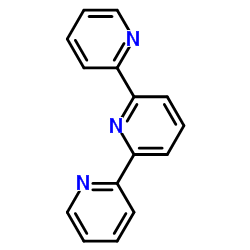
T4 DNA连接酶结构式

|
常用名 | T4 DNA连接酶 | 英文名 | DNA ligase |
|---|---|---|---|---|
| CAS号 | 9015-85-4 | 分子量 | 233.268 | |
| 密度 | 1.2±0.1 g/cm3 | 沸点 | 402.3±35.0 °C at 760 mmHg | |
| 分子式 | C15H11N3 | 熔点 | N/A | |
| MSDS | 中文版 美版 | 闪点 | 182.5±18.9 °C |
|
An inhibitor of nonhomologous end-joining abrogates double-strand break repair and impedes cancer progression.
Cell 151(7) , 1474-87, (2012) DNA Ligase IV is responsible for sealing of double-strand breaks (DSBs) during nonhomologous end-joining (NHEJ). Inhibiting Ligase IV could result in amassing of DSBs, thereby serving as a strategy toward treatment of cancer. Here, we identify a molecule, SCR... |
|
|
One-step highly sensitive florescence detection of T4 polynucleotide kinase activity and biological small molecules by ligation-nicking coupled reaction-mediated signal amplification.
Biosens. Bioelectron. 47 , 218-24, (2013) DNA phosphorylation, catalyzed by polynucleotide kinase (PNK), plays significant regulatory roles in many biological events. Herein, using T4 PNK as a model target, we describe a one-step, highly sensitive, simple and rapid fluorescence approach for monitorin... |
|
|
Suppression of Ku70/80 or Lig4 leads to decreased stable transformation and enhanced homologous recombination in rice.
New Phytol. 196(4) , 1048-59, (2012) Evidence for the involvement of the nonhomologous end joining (NHEJ) pathway in Agrobacterium-mediated transferred DNA (T-DNA) integration into the genome of the model plant Arabidopsis remains inconclusive. Having established a rapid and highly efficient Agr... |
|
|
Structural Insights into the Role of Domain Flexibility in Human DNA Ligase IV
Structure 20(7) , 1212-22, (2012) Knowledge of the architecture of DNA ligase IV (LigIV) and interactions with XRCC4 and XLF-Cernunnos is necessary for understanding its role in the ligation of double-strand breaks during nonhomologous end joining. Here we report the structure of a subdomain ... |
|
|
C-Terminal region of DNA ligase IV drives XRCC4/DNA ligase IV complex to chromatin.
Biochem. Biophys. Res. Commun. 439(2) , 173-8, (2013) DNA ligase IV (LIG4) and XRCC4 form a complex to ligate two DNA ends at the final step of DNA double-strand break (DSB) repair through non-homologous end-joining (NHEJ). It is not fully understood how these proteins are recruited to DSBs. We recently demonstr... |
|
|
Zinc-finger nuclease-mediated targeted insertion of reporter genes for quantitative imaging of gene expression in sea urchin embryos.
Proc. Natl. Acad. Sci. U. S. A. 109(27) , 10915-20, (2012) To understand complex biological systems, such as the development of multicellular organisms, it is important to characterize the gene expression dynamics. However, there is currently no universal technique for targeted insertion of reporter genes and quantit... |
|
|
DNA sequence context effects on the glycosylase activity of human 8-oxoguanine DNA glycosylase.
J. Biol. Chem. 287(44) , 36702-10, (2012) Human 8-oxoguanine DNA glycosylase (OGG1) is a key enzyme involved in removing 7,8-dihydro-8-oxoguanine (8-oxoG), a highly mutagenic DNA lesion generated by oxidative stress. The removal of 8-oxoG by OGG1 is affected by the local DNA sequence, and this featur... |
|
|
Identification of the DNA repair defects in a case of Dubowitz syndrome.
PLoS ONE 8(1) , e54389, (2013) Dubowitz Syndrome is an autosomal recessive disorder with a unique set of clinical features including microcephaly and susceptibility to tumor formation. Although more than 140 cases of Dubowitz syndrome have been reported since 1965, the genetic defects of t... |
|
|
DNA-dependent protein kinase regulates DNA end resection in concert with Mre11-Rad50-Nbs1 (MRN) and ataxia telangiectasia-mutated (ATM).
J. Biol. Chem. 288(52) , 37112-25, (2013) The resection of DNA double strand breaks initiates homologous recombination (HR) and is critical for genomic stability. Using direct measurement of resection in human cells and reconstituted assays of resection with purified proteins in vitro, we show that D... |
|
|
Msh2-Msh3 interferes with Okazaki fragment processing to promote trinucleotide repeat expansions.
Cell Rep. 2(2) , 216-22, (2012) Trinucleotide repeat (TNR) expansions are the underlying cause of more than 40 neurodegenerative and neuromuscular diseases, including myotonic dystrophy and Huntington's disease. Although genetic evidence points to errors in DNA replication and/or repair as ... |