108-59-8

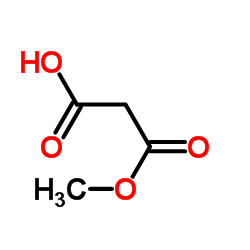
108-59-8 structure
- Name: Dimethyl malonate
- Chemical Name: Dimethyl malonate
- CAS Number: 108-59-8
- Molecular Formula: C5H8O4
- Molecular Weight: 132.115
- Catalog: Chemical reagent Organic reagent Ester Methyl ester compound
- Create Date: 2018-03-30 08:00:00
- Modify Date: 2026-06-30 18:58:23
-
Dimethyl malonate is a competitive inhibitor of succinate dehydrogenase (SDH). Dimethyl malonate is able to cross the blood-brain barrier and hydrolyse to malonate. Dimethyl malonate reduces neuronal apoptosis[1].
| Name | Dimethyl malonate |
|---|---|
| Synonyms |
Propanedioicacid, 1,3-diMethyl ester
DimethylMalonate(Dmm)C5H8O4 DICBMETHOXYMETHANE Cbmethoxy acetic acid, methyl ester Malonic acid d methyl malonate EINECS 203-597-8 PROPANEDIOIC ACID DIMETHYL ESTER dimethyl1,3-propanedioate Malonic acid, dimethyl ester prpanedioic acid dimethyl ester C14731500 MaloniCacid-dimethyLester DimethylMalonate> Dimethyl malonate(DMM) CBOMETHOXYACETIC ACID METHYL ESTER DIMETHYLMALONATE, DIMETHYLMALONATE, DIMETHYLMALONATE, DIMETHYLMALONATE MFCD00008460 DIMETHYL MALONATE 2,2-dimethylpropanedioate Dimethyl propanedioate Dimethyl malote MINA-009 dimethylpropanedioate Dimethyl malonate, 10 mM in DMSO dimthyl malonate Dimethyl ester of malonic acid Dimethyl malonate in methanol DiMethyl Malonate, ML Malonic acid dimethyl ester METHYL MALONATE Professional Factory Supply Dimethyl Malonate dimethyl propanedioate DimethylMalonate Malonic Acid Dimethyl Ester Methyl Malonate Propanedioic acid, dimethyl ester Dimethyl malonate Vetec(TM) ade Dimethyl Malonate-13C3 MALONIC ACID DIMETHYL ESTER MALONIC ACID,BIS-METHYL ESTER DIMETHYL MALONAT |
| Description | Dimethyl malonate is a competitive inhibitor of succinate dehydrogenase (SDH). Dimethyl malonate is able to cross the blood-brain barrier and hydrolyse to malonate. Dimethyl malonate reduces neuronal apoptosis[1]. |
|---|---|
| Related Catalog | |
| In Vivo | Dimethyl malonate (6 mg/kg/min; intravenous infusion; 51 min) promotes return of spontaneous circulation (ROSC) and neurological performance in rats after cardiac arrest[1]. Animal Model: Sprague-Dawley male rats, cardiac arrest model[1] Dosage: 6 mg/kg/min Administration: Intravenous infusion, 51 min Result: Improved ROSC after CA. Prevented the decline in neurological function and inhibited the apoptosis of hippocampal neurons at day 3 after CPR. Inhibited caspase-3 cleavage and increased HIF-1α expression at day 3 after CPR. Decreased the level of oxidative stress at day 3 after CPR. Inhibited excessive hyperpolarization of MMP and restrained the leakage of cytochrome C after 45 min reperfusion. |
| References |
| Density | 1.1±0.1 g/cm3 |
|---|---|
| Boiling Point | 177.1±8.0 °C at 760 mmHg |
| Melting Point | −62 °C(lit.) |
| Molecular Formula | C5H8O4 |
| Molecular Weight | 132.115 |
| Flash Point | 90.0±0.0 °C |
| Exact Mass | 132.042252 |
| PSA | 52.60000 |
| LogP | -0.36 |
| Vapour density | >1 (vs air) |
| Vapour Pressure | 1.1±0.3 mmHg at 25°C |
| Index of Refraction | 1.402 |
| Stability | Stable. Incompatible with strong oxidizing agents. Flammable. |
| Water Solubility | negligible |
CHEMICAL IDENTIFICATION
HEALTH HAZARD DATAACUTE TOXICITY DATA
|
| Symbol |

GHS07 |
|---|---|
| Signal Word | Warning |
| Hazard Statements | H315-H319-H335 |
| Precautionary Statements | P261-P305 + P351 + P338 |
| Personal Protective Equipment | Eyeshields;full-face respirator (US);Gloves;multi-purpose combination respirator cartridge (US);type ABEK (EN14387) respirator filter |
| Hazard Codes | Xi:Irritant |
| Risk Phrases | R36/37/38 |
| Safety Phrases | S26-S36 |
| WGK Germany | 1 |
| RTECS | OO0950000 |
| HS Code | 29171910 |
| Precursor 10 | |
|---|---|
| DownStream 10 | |




| HS Code | 2917190090 |
|---|---|
| Summary | 2917190090 acyclic polycarboxylic acids, their anhydrides, halides, peroxides, peroxyacids and their derivatives VAT:17.0% Tax rebate rate:9.0% Supervision conditions:none MFN tariff:6.5% General tariff:30.0% |