phenylmercury chloride
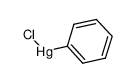
phenylmercury chloride structure
|
Common Name | phenylmercury chloride | ||
|---|---|---|---|---|
| CAS Number | 100-56-1 | Molecular Weight | 313.14700 | |
| Density | N/A | Boiling Point | N/A | |
| Molecular Formula | C6H5ClHg | Melting Point | 246-250ºC | |
| MSDS | Chinese USA | Flash Point | N/A | |
| Symbol |


GHS06, GHS08, GHS09 |
Signal Word | Danger | |
Summary: Phenylmercury chloride (CAS No.: 100-56-1) is an organic mercury compound with the molecular formula C6H5ClHg and a molecular weight of 313.14700. For research-use only, not for medical or clinical usage.
This table lists Chinese names, IUPAC names and various aliases of this chemical substance.
| Name | phenylmercury chloride |
|---|---|
| Synonym | More Synonyms |
This table shows physicochemical parameters including melting point, boiling point, density, solubility and optical rotation. Missing data is marked as N/A.
| Melting Point | 246-250ºC |
|---|---|
| Molecular Formula | C6H5ClHg |
| Molecular Weight | 313.14700 |
| Exact Mass | 313.97900 |
| LogP | 1.54820 |
| InChIKey | AWGTVRDHKJQFAX-UHFFFAOYSA-M |
| SMILES | Cl[Hg]c1ccccc1 |
This table provides MSDS information including hazard classification, first‑aid, fire‑fighting, spill handling, operation and storage instructions.
This table summarizes toxicological test data, acute & chronic toxicity and ecological hazard parameters for this chemical.
CHEMICAL IDENTIFICATION
HEALTH HAZARD DATAACUTE TOXICITY DATA
MUTATION DATA
|
This table covers safety warnings, protective measures, incompatible substances and disposal guidelines for this compound.
| Symbol |
GHS06, GHS08, GHS09 |
|---|---|
| Signal Word | Danger |
| Hazard Statements | H300 + H310 + H330-H373-H410 |
| Precautionary Statements | P260-P273-P280-P301 + P310 + P330-P302 + P352 + P310-P304 + P340 + P310 |
| Personal Protective Equipment | dust mask type N95 (US);Eyeshields;Faceshields;Gloves;type P2 (EN 143) respirator cartridges |
| Hazard Codes | T+:Verytoxic;N:Dangerous for the environment; |
| Risk Phrases | R26/27/28;R33;R50/53 |
| Safety Phrases | S13-S28-S36-S45-S60-S61 |
| RIDADR | UN 2026 6.1/PG 3 |
| WGK Germany | 3 |
| RTECS | OW1400000 |
| Packaging Group | II |
| Hazard Class | 6.1 |
This table presents publicly reported synthetic routes, reaction conditions, reactants and product information of the compound.
This table lists upstream starting materials and downstream derivative products related to this chemical.
| Precursor 10 | |
|---|---|
| DownStream 10 | |
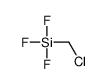 CAS#:1956-79-2
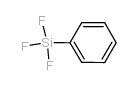 CAS#:368-47-8
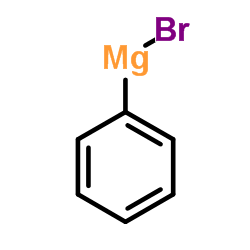 CAS#:100-58-3
 CAS#:7727-18-6
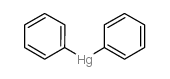 CAS#:587-85-9
 CAS#:7632-51-1
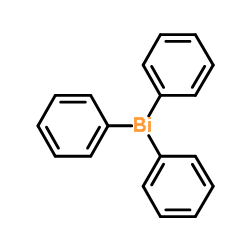 CAS#:603-33-8
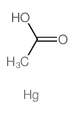 CAS#:1600-27-7
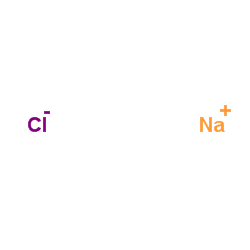 CAS#:7647-14-5
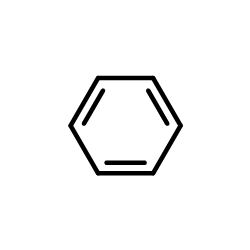 CAS#:71-43-2
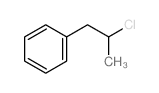 CAS#:10304-81-1
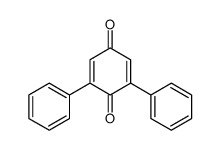 CAS#:2887-97-0
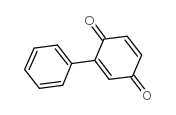 CAS#:363-03-1
 CAS#:32294-60-3
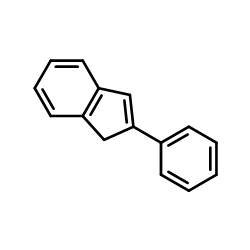 CAS#:4505-48-0
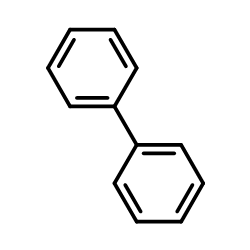 CAS#:92-52-4
 CAS#:92-93-3
 CAS#:20195-59-9
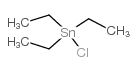 CAS#:994-31-0
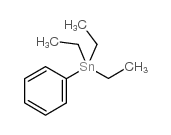 CAS#:878-51-3
This table lists relevant public references with title, journal and publication metadata for this compound.
|
Determination of mercury species by the diffusive gradient in thin film technique and liquid chromatography--atomic fluorescence spectrometry after microwave extraction.
Anal. Chim. Acta 866 , 21-6, (2015) A diffusive gradient in thin films technique (DGT) was combined with liquid chromatography (LC) and cold vapor atomic fluorescence spectrometry (CV-AFS) for the simultaneous quantification of four mer... |
|
|
Active-site residues of procarboxypeptidase Y are accessible to chemical modification.
Biochim. Biophys. Acta 1205(2) , 289-93, (1994) The accessibility of the active-site cleft of procarboxypeptidase Y from Saccharomyces cerevisiae has been studied by chemical modifications of two specific amino-acid residues. Previous studies have ... |
|
|
Partial purification and characterization of latent human leukocyte collagenase.
Med. Biol. 63(2) , 66-72, (1985) Latent and active collagenase were extracted from human polymorphonuclear leukocytes. Separation of the two forms of the enzyme was performed by gel filtration on Sepharose 6 B. The latent form of the... |
This table contains target information, in‑vitro & in‑vivo assay data for this compound.
This table collects all English aliases, systematic names and CAS‑related synonyms of the compound.
| phenylmercury(2+) chloride |
| phenyl mercury chloride |
| Agronal |
| Merfazin |
| Hexason |
| Agrenal |
| chloro(phenyl)mercury |
| EINECS 202-865-1 |
| Mersolite 2 |
| Mercury,chlorophenyl |
| Stopspot |
| phenylmercury(II) chloride |
| phenylmercuric chloride |
| chlorophenylmercury |
| MFCD00000463 |
This section contains frequently‑asked‑questions about this compound, including basic parameters, properties, storage conditions and corresponding answers.
| Q: What is the melting point of phenylmercury chloride? |
| A: Melting point of phenylmercury chloride is 246-250ºC. |
| Q: What is the safety information for phenylmercury chloride? |
| A: Safety information for phenylmercury chloride: S13-S28-S36-S45-S60-S61. |
| Q: What is the LogP of phenylmercury chloride? |
| A: LogP of phenylmercury chloride is 1.54820. |
| Q: What is the CAS number of phenylmercury chloride? |
| A: CAS number of phenylmercury chloride is 100-56-1. |
| Q: What are the downstream products of phenylmercury chloride? |
| A: Related downstream products(CAS) of phenylmercury chloride: 10304-81-1;2887-97-0;363-03-1;32294-60-3;4505-48-0;92-52-4;92-93-3;20195-59-9;994-31-0;878-51-3. |
| Q: What is the InChIKey of phenylmercury chloride? |
| A: InChIKey of phenylmercury chloride is AWGTVRDHKJQFAX-UHFFFAOYSA-M. |
| Q: What is the SMILES notation of phenylmercury chloride? |
| A: SMILES notation of phenylmercury chloride is Cl[Hg]c1ccccc1. |
| Q: What English synonyms does phenylmercury chloride have? |
| A: English synonyms of phenylmercury chloride: phenylmercury(2+) chloride, phenyl mercury chloride, Agronal, Merfazin, Hexason, Agrenal, chloro(phenyl)mercury, EINECS 202-865-1, Mersolite 2, Mercury,chlorophenyl, Stopspot, phenylmercury(II) chloride, phenylmercuric chloride, chlorophenylmercury, MFCD00000463. |
| Q: What is the molecular formula of phenylmercury chloride? |
| A: Molecular formula of phenylmercury chloride is C6H5ClHg. |
| Q: What are the upstream materials of phenylmercury chloride? |
| A: Related upstream materials(CAS) of phenylmercury chloride: 1956-79-2;368-47-8;100-58-3;7727-18-6;587-85-9;7632-51-1;603-33-8;1600-27-7;7647-14-5;71-43-2. |
This table lists manufacturers and suppliers of this compound, including vendor names and product supply reference information.
| Shanghai Nianxing Industrial Co., Ltd |