Triethanolamine
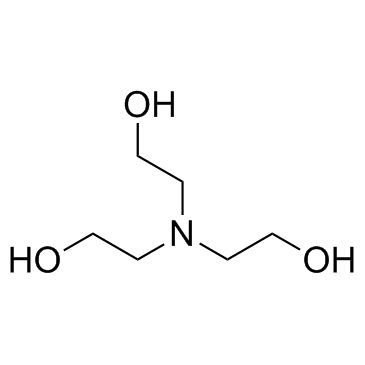
Triethanolamine structure
|
Common Name | Triethanolamine | ||
|---|---|---|---|---|
| CAS Number | 102-71-6 | Molecular Weight | 149.188 | |
| Density | 1.2±0.1 g/cm3 | Boiling Point | 335.4±0.0 °C at 760 mmHg | |
| Molecular Formula | C6H15NO3 | Melting Point | 21 °C | |
| MSDS | Chinese USA | Flash Point | 185.0±0.0 °C | |
Use of TriethanolamineTriethanolamine is a viscous organic compound that is both a tertiary amine and a triol. Triethanolamine (TEOA) can be used for chromatographic modification reagent that possesses some chemical properties. [1]Triethanolamine (TEA) is applied as a stabilizer and pH adjusting chemical for the aminolysis of polyester surface and enhancing the surface reactivity along with synthesis and deposition of ZnO nanoparticles on the fabric. [2] |
This table lists Chinese names, IUPAC names and various aliases of this chemical substance.
| Name | Triethanolamine |
|---|---|
| Synonym | More Synonyms |
This table contains bioactivity, target information and biological‑assay experimental data of this compound.
| Description | Triethanolamine is a viscous organic compound that is both a tertiary amine and a triol. Triethanolamine (TEOA) can be used for chromatographic modification reagent that possesses some chemical properties. [1]Triethanolamine (TEA) is applied as a stabilizer and pH adjusting chemical for the aminolysis of polyester surface and enhancing the surface reactivity along with synthesis and deposition of ZnO nanoparticles on the fabric. [2] |
|---|---|
| Related Catalog | |
| References |
This table shows physicochemical parameters including melting point, boiling point, density, solubility and optical rotation. Missing data is marked as N/A.
| Density | 1.2±0.1 g/cm3 |
|---|---|
| Boiling Point | 335.4±0.0 °C at 760 mmHg |
| Melting Point | 21 °C |
| Molecular Formula | C6H15NO3 |
| Molecular Weight | 149.188 |
| Flash Point | 185.0±0.0 °C |
| Exact Mass | 149.105194 |
| PSA | 63.93000 |
| LogP | -1.11 |
| Vapour density | 5.14 (vs air) |
| Vapour Pressure | 0.0±1.6 mmHg at 25°C |
| Index of Refraction | 1.511 |
| InChIKey | GSEJCLTVZPLZKY-UHFFFAOYSA-N |
| SMILES | OCCN(CCO)CCO |
| Water Solubility | soluble |
This table provides MSDS information including hazard classification, first‑aid, fire‑fighting, spill handling, operation and storage instructions.
This table summarizes toxicological test data, acute & chronic toxicity and ecological hazard parameters for this chemical.
CHEMICAL IDENTIFICATION
HEALTH HAZARD DATAACUTE TOXICITY DATA
MUTATION DATA
|
This table covers safety warnings, protective measures, incompatible substances and disposal guidelines for this compound.
| Personal Protective Equipment | Eyeshields;full-face respirator (US);Gloves;multi-purpose combination respirator cartridge (US);type ABEK (EN14387) respirator filter |
|---|---|
| Hazard Codes | Xi:Irritant |
| Risk Phrases | R36 |
| Safety Phrases | S26-S39 |
| RIDADR | NONH for all modes of transport |
| WGK Germany | 1 |
| RTECS | KL9275000 |
| HS Code | 2922131000 |
This table presents publicly reported synthetic routes, reaction conditions, reactants and product information of the compound.
This table lists upstream starting materials and downstream derivative products related to this chemical.
| Precursor 9 | |
|---|---|
| DownStream 8 | |
 CAS#:75-21-8
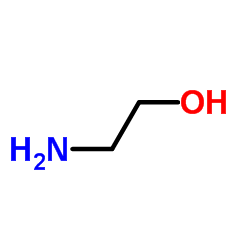 CAS#:141-43-5
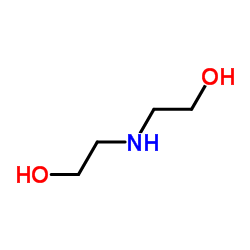 CAS#:111-42-2
 CAS#:7664-41-7
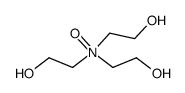 CAS#:7529-23-9
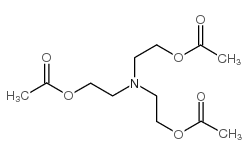 CAS#:3002-18-4
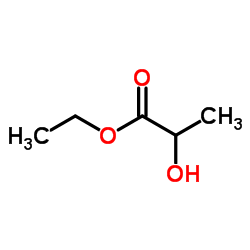 CAS#:97-64-3
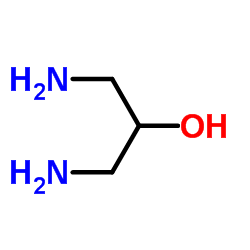 CAS#:616-29-5
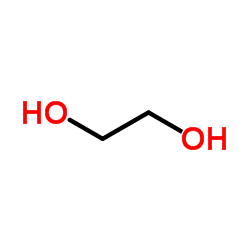 CAS#:107-21-1
![2-[bis(2-hydroxyethyl)amino]ethanol,2-(4-chlorophenoxy)-2-methylpropanoic acid structure](https://image.chemsrc.com/caspic/150/105377-53-5.png) CAS#:105377-53-5
CAS#:105377-53-5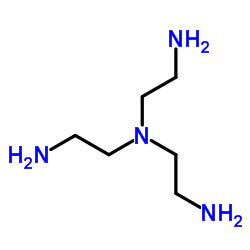 CAS#:4097-89-6
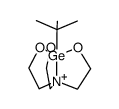 CAS#:76228-29-0
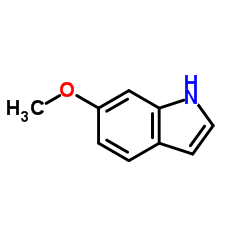 CAS#:3189-13-7
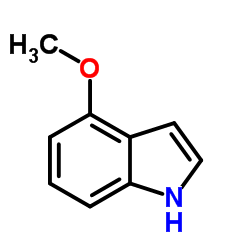 CAS#:4837-90-5
 CAS#:17422-32-1
 CAS#:42003-39-4
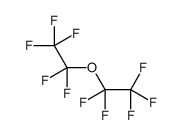 CAS#:358-21-4
This table shows customs‑related data including HS‑code, tariff and regulatory conditions for import and export.
| HS Code | 2922131000 |
|---|---|
| Summary | 2922131000 2,2',2''-nitrilotriethanol。supervision conditions:23(import license for dual-use item and technologies,export license for dual-use item and technologies)ab(import license for dual-use item and technologies,export license for dual-use item and technologies,certificate of inspection for goods inward,certificate of inspection for goods outward)。VAT:17.0%。tax rebate rate:9.0%。MFN tarrif:6.5%。general tariff:30.0% |
This table lists relevant public references with title, journal and publication metadata for this compound.
|
Disturbed Hsp70 and Hsp27 expression and thiol redox status in porcine kidney PK15 cells provoked by individual and combined ochratoxin A and citrinin treatments.
Food Chem. Toxicol. 71 , 97-105, (2014) The aim of this study was to explore the oxidative properties of ochratoxin A (OTA) and citrinin (CTN) as a possible underlying mechanism of their individual and/or combined cytotoxicity. Metabolic ac... |
|
|
Stretch marks during pregnancy: a review of topical prevention.
Br. J. Dermatol. 172(3) , 606-15, (2015) Striae gravidarum (SG), or stretch marks developing during pregnancy, affect up to 90% of women. While not medically dangerous, SG can be disfiguring, causing emotional and psychological distress. How... |
|
|
Long-distance retinoid signaling in the zebra finch brain.
PLoS ONE 9(11) , e111722, (2014) All-trans retinoic acid (ATRA), the main active metabolite of vitamin A, is a powerful signaling molecule that regulates large-scale morphogenetic processes during vertebrate embryonic development, bu... |
This table contains target information, in‑vitro & in‑vivo assay data for this compound.
This table collects all English aliases, systematic names and CAS‑related synonyms of the compound.
| EINECS 203-049-8 |
| 2,2',2''-Nitrilotriethanol |
| MFCD00002855 |
This section contains frequently‑asked‑questions about this compound, including basic parameters, properties, storage conditions and corresponding answers.
| Q: What is the molecular formula of Triethanolamine? |
| A: Molecular formula of Triethanolamine is C6H15NO3. |
| Q: What is the English name of Triethanolamine? |
| A: The English name of Triethanolamine is Triethanolamine. |
| Q: What is the melting point of Triethanolamine? |
| A: Melting point of Triethanolamine is 21 °C. |
| Q: What are the upstream materials of Triethanolamine? |
| A: Related upstream materials(CAS) of Triethanolamine: 75-21-8;141-43-5;111-42-2;7664-41-7;7529-23-9;3002-18-4;97-64-3;616-29-5;107-21-1. |
| Q: What is the molecular weight of Triethanolamine? |
| A: Molecular weight of Triethanolamine is 149.188. |
| Q: What is the CAS number of Triethanolamine? |
| A: CAS number of Triethanolamine is 102-71-6. |
| Q: What are the downstream products of Triethanolamine? |
| A: Related downstream products(CAS) of Triethanolamine: 105377-53-5;4097-89-6;76228-29-0;3189-13-7;4837-90-5;17422-32-1;42003-39-4;358-21-4. |
| Q: What is the InChIKey of Triethanolamine? |
| A: InChIKey of Triethanolamine is GSEJCLTVZPLZKY-UHFFFAOYSA-N. |
| Q: What are the uses of Triethanolamine? |
| A: Main uses of Triethanolamine: Triethanolamine is a viscous organic compound that is both a tertiary amine and a triol. Triethanolamine (TEOA) can be used for chromatographic modification reagent that possesses some chemical properties. [1]Triethanolamine (TEA) is applied as a stabilizer and pH adjusting chemical for the aminolysis of polyester surface and enhancing the surface reactivity along with synthesis and deposition of ZnO nanoparticles on the fabric. [2]. |
| Q: What is the safety information for Triethanolamine? |
| A: Safety information for Triethanolamine: S26-S39. |
This table lists manufacturers and suppliers of this compound, including vendor names and product supply reference information.
| Shanghai Nianxing Industrial Co., Ltd |
| Henan Tianfu Chemical Co., Ltd. |