Thiophane

Thiophane structure
|
Common Name | Thiophane | ||
|---|---|---|---|---|
| CAS Number | 110-01-0 | Molecular Weight | 88.171 | |
| Density | 1.0±0.1 g/cm3 | Boiling Point | 121.5±8.0 °C at 760 mmHg | |
| Molecular Formula | C4H8S | Melting Point | -96 °C | |
| MSDS | Chinese USA | Flash Point | 12.8±0.0 °C | |
| Symbol |


GHS02, GHS07 |
Signal Word | Danger | |
This table lists Chinese names, IUPAC names and various aliases of this chemical substance.
| Name | tetrahydrothiophene |
|---|---|
| Synonym | More Synonyms |
This table shows physicochemical parameters including melting point, boiling point, density, solubility and optical rotation. Missing data is marked as N/A.
| Density | 1.0±0.1 g/cm3 |
|---|---|
| Boiling Point | 121.5±8.0 °C at 760 mmHg |
| Melting Point | -96 °C |
| Molecular Formula | C4H8S |
| Molecular Weight | 88.171 |
| Flash Point | 12.8±0.0 °C |
| Exact Mass | 88.034668 |
| PSA | 25.30000 |
| LogP | 1.34 |
| Vapour Pressure | 17.5±0.2 mmHg at 25°C |
| Index of Refraction | 1.515 |
| InChIKey | RAOIDOHSFRTOEL-UHFFFAOYSA-N |
| SMILES | C1CCSC1 |
| Stability | Stability Highly flammable. Vapour-air mixtures explosive in some proportions; note low flash point and fairly wide explosion limit range. Heavier than air, so potentially explosive mixtures may travel considerable distances to source of ignition. |
| Water Solubility | immiscible |
This table provides MSDS information including hazard classification, first‑aid, fire‑fighting, spill handling, operation and storage instructions.
This table summarizes toxicological test data, acute & chronic toxicity and ecological hazard parameters for this chemical.
CHEMICAL IDENTIFICATION
HEALTH HAZARD DATAACUTE TOXICITY DATA
|
This table covers safety warnings, protective measures, incompatible substances and disposal guidelines for this compound.
| Symbol |
GHS02, GHS07 |
|---|---|
| Signal Word | Danger |
| Hazard Statements | H225-H302-H312-H315-H319-H332-H412 |
| Precautionary Statements | P210-P273-P280-P305 + P351 + P338 |
| Personal Protective Equipment | Eyeshields;Faceshields;full-face respirator (US);Gloves;multi-purpose combination respirator cartridge (US);type ABEK (EN14387) respirator filter |
| Hazard Codes | F:Flammable;Xn:Harmful; |
| Risk Phrases | R11;R20/21/22;R36/38;R52/53 |
| Safety Phrases | S16-S23-S36/37-S61 |
| RIDADR | UN 2412 3/PG 2 |
| WGK Germany | 2 |
| RTECS | XN0370000 |
| Packaging Group | II |
| Hazard Class | 3 |
| HS Code | 2942000000 |
This table presents publicly reported synthetic routes, reaction conditions, reactants and product information of the compound.
This table lists upstream starting materials and downstream derivative products related to this chemical.
| Precursor 8 | |
|---|---|
| DownStream 10 | |
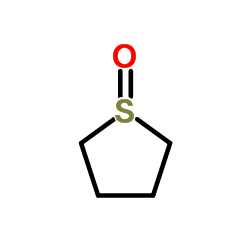 CAS#:1600-44-8
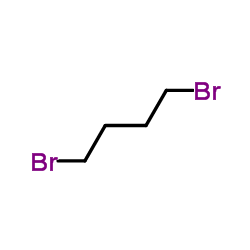 CAS#:110-52-1
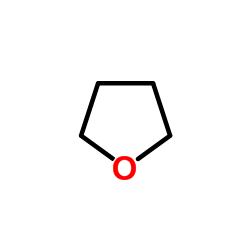 CAS#:109-99-9
 CAS#:188290-36-0
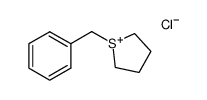 CAS#:42711-88-6
 CAS#:108-94-1
 CAS#:67-64-1
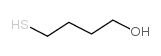 CAS#:14970-83-3
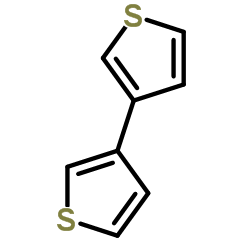 CAS#:3172-56-3
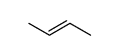 CAS#:624-64-6
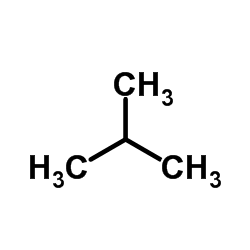 CAS#:75-28-5
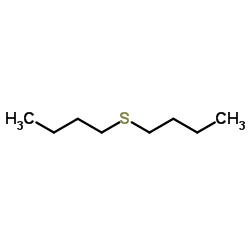 CAS#:544-40-1
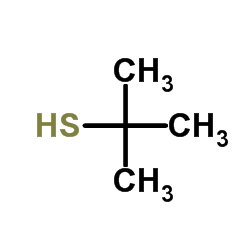 CAS#:75-66-1
 CAS#:115-11-7
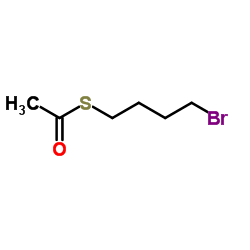 CAS#:14475-59-3
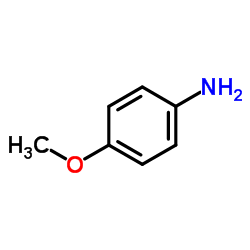 CAS#:104-94-9
 CAS#:90861-94-2
This table shows customs‑related data including HS‑code, tariff and regulatory conditions for import and export.
| HS Code | 2942000000 |
|---|
This table lists relevant public references with title, journal and publication metadata for this compound.
|
Synthesis and evaluation of glycopolymeric decorated gold nanoparticles functionalized with gold-triphenyl phosphine as anti-cancer agents.
Biomacromolecules 15(10) , 3802-10, (2014) In this study, statistical glyco-dithiocarbamate (DTC) copolymers were synthesized by reversible addition-fragmentation chain transfer polymerization (RAFT) and subsequently used to prepare glyconanop... |
|
|
Calculating virtual log P in the alkane/water system (log P(N)(alk)) and its derived parameters deltalog P(N)(oct-alk) and log D(pH)(alk).
J. Med. Chem. 48 , 3269-79, (2005) Growing interest in the use of both the logarithm of the partition coefficient of the neutral species in the alkane/water system (log P(N)(alk)) and the difference between log P(N)(oct) (the logarithm... |
|
|
Interactions of multitargeted kinase inhibitors and nucleoside drugs: Achilles heel of combination therapy?
J. Chromatogr. A. 1421 , 154-61, (2015) Multitargeted tyrosine kinase inhibitors (TKI) axitinib, pazopanib, and sunitinib are used to treat many solid tumors. Combination trials of TKIs with gemcitabine, a nucleoside anticancer drug, in pan... |
This table contains target information, in‑vitro & in‑vivo assay data for this compound.
This table collects all English aliases, systematic names and CAS‑related synonyms of the compound.
| Thiacyclopentane |
| Tetramethylene sulfide,Thiolane,Thiophane |
| Thiophene,tetrahydro |
| tetrahydro thiophene |
| Tetramethylene sulfide |
| Thiophane |
| Tetrahydrothiophen |
| EINECS 203-728-9 |
| thiolane |
| dihydro-thiophene |
| Thilane |
| MFCD00005476 |
This section contains frequently‑asked‑questions about this compound, including basic parameters, properties, storage conditions and corresponding answers.
| Q: What is the safety information for tetrahydrothiophene? |
| A: Safety information for tetrahydrothiophene: S16-S23-S36/37-S61. |
| Q: What English synonyms does tetrahydrothiophene have? |
| A: English synonyms of tetrahydrothiophene: Thiacyclopentane, Tetramethylene sulfide,Thiolane,Thiophane, Thiophene,tetrahydro, tetrahydro thiophene, Tetramethylene sulfide, Thiophane, Tetrahydrothiophen, EINECS 203-728-9, thiolane, dihydro-thiophene, Thilane, MFCD00005476. |
| Q: What is the CAS number of tetrahydrothiophene? |
| A: CAS number of tetrahydrothiophene is 110-01-0. |
| Q: What is the boiling point of tetrahydrothiophene? |
| A: Boiling point of tetrahydrothiophene is 121.5±8.0 °C at 760 mmHg. |
| Q: What is the molecular formula of tetrahydrothiophene? |
| A: Molecular formula of tetrahydrothiophene is C4H8S. |
| Q: How is the water solubility of tetrahydrothiophene? |
| A: Water solubility of tetrahydrothiophene: immiscible. |
| Q: What is the SMILES notation of tetrahydrothiophene? |
| A: SMILES notation of tetrahydrothiophene is C1CCSC1. |
| Q: What is the melting point of tetrahydrothiophene? |
| A: Melting point of tetrahydrothiophene is -96 °C. |
| Q: What is the English name of tetrahydrothiophene? |
| A: The English name of tetrahydrothiophene is tetrahydrothiophene. |
| Q: What are the upstream materials of tetrahydrothiophene? |
| A: Related upstream materials(CAS) of tetrahydrothiophene: 1600-44-8;110-52-1;109-99-9;188290-36-0;42711-88-6;108-94-1;67-64-1;14970-83-3. |
This table lists manufacturers and suppliers of this compound, including vendor names and product supply reference information.
| Shanghai Nianxing Industrial Co., Ltd |
| Dayang Chem (Hangzhou) Co., Ltd. |
| Henan Tianfu Chemical Co., Ltd. |