Octadecanol
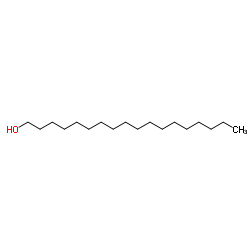
Octadecanol structure
|
Common Name | Octadecanol | ||
|---|---|---|---|---|
| CAS Number | 112-92-5 | Molecular Weight | 270.494 | |
| Density | 0.812 | Boiling Point | 336 ºC | |
| Molecular Formula | C18H38O | Melting Point | 56-59 °C(lit.) | |
| MSDS | Chinese USA | Flash Point | 185 ºC | |
Use of OctadecanolStearyl alcohol (also known as octadecyl alcohol or 1-octadecanol) is an organic compound classified as a fatty alcohol with the formula CH3(CH2)16CH2OH. It takes the form of white granules or flakes, which are insoluble in water. It has a wide range of uses as an ingredient in lubricants, resins, perfumes, and cosmetics. It is used as an emollient, emulsifier, and thickener in ointments. |
This table lists Chinese names, IUPAC names and various aliases of this chemical substance.
| Name | stearyl alcohol |
|---|---|
| Synonym | More Synonyms |
This table shows physicochemical parameters including melting point, boiling point, density, solubility and optical rotation. Missing data is marked as N/A.
| Density | 0.812 |
|---|---|
| Boiling Point | 336 ºC |
| Melting Point | 56-59 °C(lit.) |
| Molecular Formula | C18H38O |
| Molecular Weight | 270.494 |
| Flash Point | 185 ºC |
| Exact Mass | 270.292267 |
| PSA | 20.23000 |
| LogP | 8.31 |
| Vapour density | 9.3 (vs air) |
| Vapour Pressure | 0.0±1.6 mmHg at 25°C |
| Index of Refraction | 1.451 |
| InChIKey | GLDOVTGHNKAZLK-UHFFFAOYSA-N |
| SMILES | CCCCCCCCCCCCCCCCCCO |
| Water Solubility | insoluble |
This table provides MSDS information including hazard classification, first‑aid, fire‑fighting, spill handling, operation and storage instructions.
This table summarizes toxicological test data, acute & chronic toxicity and ecological hazard parameters for this chemical.
CHEMICAL IDENTIFICATION
HEALTH HAZARD DATAACUTE TOXICITY DATA
|
This table covers safety warnings, protective measures, incompatible substances and disposal guidelines for this compound.
| Personal Protective Equipment | Eyeshields;Gloves;type N95 (US);type P1 (EN143) respirator filter |
|---|---|
| Risk Phrases | R36/37/38 |
| Safety Phrases | S24/25 |
| RIDADR | UN 1986 |
| WGK Germany | - |
| RTECS | RG2010000 |
| Packaging Group | I; II; III |
| HS Code | 2905170000 |
This table presents publicly reported synthetic routes, reaction conditions, reactants and product information of the compound.
This table lists upstream starting materials and downstream derivative products related to this chemical.
| Precursor 10 | |
|---|---|
| DownStream 10 | |
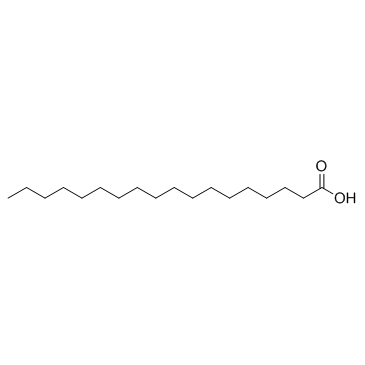 CAS#:57-11-4
 CAS#:143-28-2
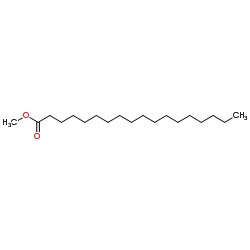 CAS#:112-61-8
 CAS#:112-80-1
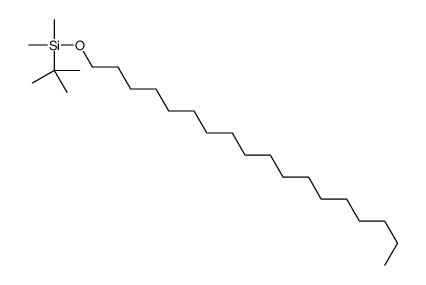 CAS#:65598-00-7
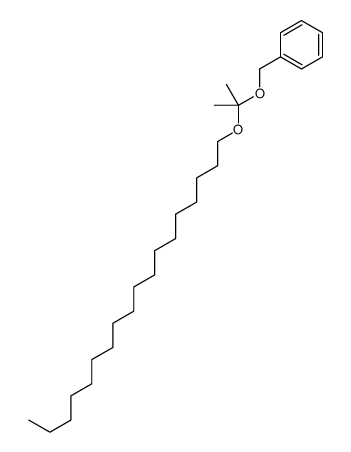 CAS#:89538-90-9
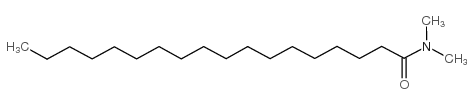 CAS#:3886-90-6
 CAS#:66938-10-1
 CAS#:638-66-4
 CAS#:111-61-5
 CAS#:10578-34-4
 CAS#:1119-75-1
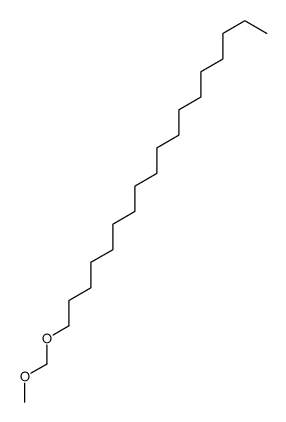 CAS#:105644-68-6
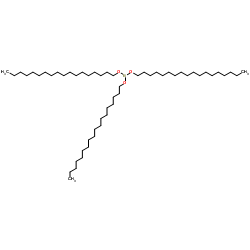 CAS#:5337-41-7
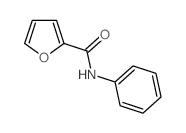 CAS#:1929-89-1
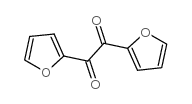 CAS#:492-94-4
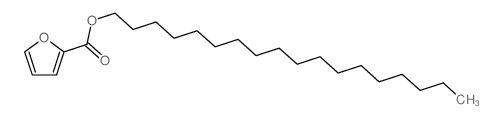 CAS#:82701-01-7
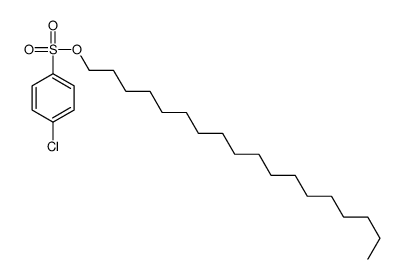 CAS#:34184-41-3
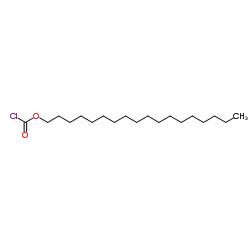 CAS#:51637-93-5
This table shows customs‑related data including HS‑code, tariff and regulatory conditions for import and export.
| HS Code | 2905170000 |
|---|---|
| Summary | 2905170000 hexadecan-1-ol。Supervision conditions:None。VAT:17.0%。Tax rebate rate:9.0%。Lowest tariff:7.0%。General tariff:30.0% |
This table lists relevant public references with title, journal and publication metadata for this compound.
|
Antioxidant activity of protocatechuates evaluated by DPPH, ORAC, and CAT methods.
Food Chem. 194 , 749-57, (2015) Hibiscus sabdariffa L. is a worldwide consumed plant, principally after infusion of its dried sepals and calyces, which are usually discarded. Nevertheless, they represent a potential source of natura... |
|
|
Variations in pH sensitivity, acid stability, and fusogenicity of three influenza virus H3 subtypes.
J. Virol. 89(1) , 350-60, (2014) Influenza A virus strains adapt to achieve successful entry into host species. Entry is mediated by the viral membrane protein hemagglutinin (HA), which triggers membrane fusion and genome release und... |
|
|
Gas chromatography with parallel hard and soft ionization mass spectrometry.
Rapid Commun. Mass Spectrom. 29(1) , 91-9, (2014) Mass spectrometric identification of compounds in chromatography can be obtained from molecular masses from soft ionization mass spectrometry techniques such as field ionization (FI) and fragmentation... |
This table collects all English aliases, systematic names and CAS‑related synonyms of the compound.
| Octadecan-1-ol |
| Stearyl alcohol |
| MFCD00002823 |
| octadecyl alcohol |
| steryl alcohol |
| stenol |
| 1-Octadecanol |
| 1-Hydroxyoctadecane |
| EINECS 204-017-6 |
| Octadecanol |
This section contains frequently‑asked‑questions about this compound, including basic parameters, properties, storage conditions and corresponding answers.
| Q: What is the polar surface area (PSA) of stearyl alcohol? |
| A: Polar surface area (PSA) of stearyl alcohol is 20.23000. |
| Q: What is the boiling point of stearyl alcohol? |
| A: Boiling point of stearyl alcohol is 336 ºC. |
| Q: What are the downstream products of stearyl alcohol? |
| A: Related downstream products(CAS) of stearyl alcohol: 10578-34-4;638-66-4;1119-75-1;105644-68-6;5337-41-7;1929-89-1;492-94-4;82701-01-7;34184-41-3;51637-93-5. |
| Q: What is the safety information for stearyl alcohol? |
| A: Safety information for stearyl alcohol: S24/25. |
| Q: What is the molecular formula of stearyl alcohol? |
| A: Molecular formula of stearyl alcohol is C18H38O. |
| Q: What is the CAS number of stearyl alcohol? |
| A: CAS number of stearyl alcohol is 112-92-5. |
| Q: What is the InChIKey of stearyl alcohol? |
| A: InChIKey of stearyl alcohol is GLDOVTGHNKAZLK-UHFFFAOYSA-N. |
| Q: What is the melting point of stearyl alcohol? |
| A: Melting point of stearyl alcohol is 56-59 °C(lit.). |
| Q: What are the uses of stearyl alcohol? |
| A: Main uses of stearyl alcohol: Stearyl alcohol (also known as octadecyl alcohol or 1-octadecanol) is an organic compound classified as a fatty alcohol with the formula CH3(CH2)16CH2OH. It takes the form of white granules or flakes, which are insoluble in water. It has a wide range of uses as an ingredient in lubricants, resins, perfumes, and cosmetics. It is used as an emollient, emulsifier, and thickener in ointments. |
| Q: What is the LogP of stearyl alcohol? |
| A: LogP of stearyl alcohol is 8.31. |
This table lists manufacturers and suppliers of this compound, including vendor names and product supply reference information.
| Shanghai Nianxing Industrial Co., Ltd |
| Dayang Chem (Hangzhou) Co., Ltd. |