4-Chlorocatechol
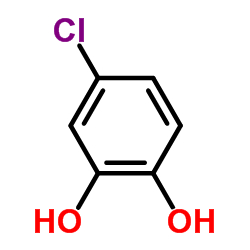
4-Chlorocatechol structure
|
Common Name | 4-Chlorocatechol | ||
|---|---|---|---|---|
| CAS Number | 2138-22-9 | Molecular Weight | 144.556 | |
| Density | 1.5±0.1 g/cm3 | Boiling Point | 267.1±20.0 °C at 760 mmHg | |
| Molecular Formula | C6H5ClO2 | Melting Point | 90-94 °C(lit.) | |
| MSDS | Chinese USA | Flash Point | 115.3±21.8 °C | |
| Symbol |

GHS05 |
Signal Word | Danger | |
Use of 4-Chlorocatechol4-Chlorocatechol is a major degradation product of 4-chloro-2-aminophenol (4C2AP). 4-Chlorocatechol is also a substrate for catechol 1,2-dioxygenases and chlorocatechol dioxygenase[1][2]. |
Summary: 4-Chlorocatechol, Chinese name: 4-氯邻苯二酚, CAS number: 2138-22-9, molecular formula: C6H5ClO2, molecular weight: 144.556. Appearance: white to light yellow to light orange powder or crystal,熔点: 90-94°C, density: approximately 1.5 g/cm3. Mainly used as a degradation product of 4-chloro-2-aminophenol (4C2AP) and substrate for catechol 1,2-dioxygenases and chlorocatechol dioxygenase. For research-use only, not for medical or clinical usage.
This table lists Chinese names, IUPAC names and various aliases of this chemical substance.
| Name | 4-chlorocatechol |
|---|---|
| Synonym | More Synonyms |
This table contains bioactivity, target information and biological‑assay experimental data of this compound.
| Description | 4-Chlorocatechol is a major degradation product of 4-chloro-2-aminophenol (4C2AP). 4-Chlorocatechol is also a substrate for catechol 1,2-dioxygenases and chlorocatechol dioxygenase[1][2]. |
|---|---|
| Related Catalog | |
| References |
This table shows physicochemical parameters including melting point, boiling point, density, solubility and optical rotation. Missing data is marked as N/A.
| Density | 1.5±0.1 g/cm3 |
|---|---|
| Boiling Point | 267.1±20.0 °C at 760 mmHg |
| Melting Point | 90-94 °C(lit.) |
| Molecular Formula | C6H5ClO2 |
| Molecular Weight | 144.556 |
| Flash Point | 115.3±21.8 °C |
| Exact Mass | 143.997803 |
| PSA | 40.46000 |
| LogP | 2.15 |
| Vapour Pressure | 0.0±0.6 mmHg at 25°C |
| Index of Refraction | 1.629 |
| InChIKey | WWOBYPKUYODHDG-UHFFFAOYSA-N |
| SMILES | Oc1ccc(Cl)cc1O |
This table provides MSDS information including hazard classification, first‑aid, fire‑fighting, spill handling, operation and storage instructions.
This table summarizes toxicological test data, acute & chronic toxicity and ecological hazard parameters for this chemical.
CHEMICAL IDENTIFICATION
HEALTH HAZARD DATAACUTE TOXICITY DATA
|
This table covers safety warnings, protective measures, incompatible substances and disposal guidelines for this compound.
| Symbol |
GHS05 |
|---|---|
| Signal Word | Danger |
| Hazard Statements | H314 |
| Precautionary Statements | P280-P305 + P351 + P338-P310 |
| Personal Protective Equipment | Eyeshields;Faceshields;full-face particle respirator type N100 (US);Gloves;respirator cartridge type N100 (US);type P1 (EN143) respirator filter;type P3 (EN 143) respirator cartridges |
| Hazard Codes | C: Corrosive; |
| Risk Phrases | R34 |
| Safety Phrases | S26-S36/37/39-S45 |
| RIDADR | UN 1759 8/PG 2 |
| WGK Germany | 3 |
| RTECS | UX1490000 |
| Packaging Group | II |
| HS Code | 2908199090 |
This table presents publicly reported synthetic routes, reaction conditions, reactants and product information of the compound.
This table lists upstream starting materials and downstream derivative products related to this chemical.
| Precursor 9 | |
|---|---|
| DownStream 10 | |
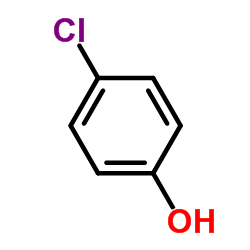 CAS#:106-48-9
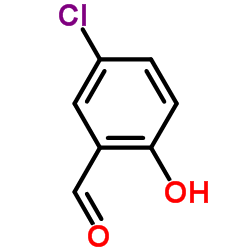 CAS#:635-93-8
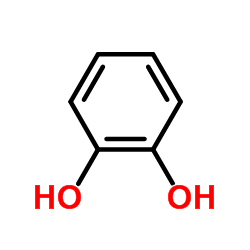 CAS#:120-80-9
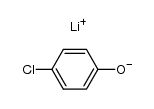 CAS#:1121-75-1
![8-chloro-2,5-epoxybenzo[e][1,2,4,7]tetraoxocine Structure](https://image.chemsrc.com/caspic/327/110851-18-8.png) CAS#:110851-18-8
CAS#:110851-18-8 CAS#:1315577-25-3
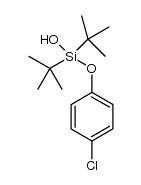 CAS#:1344113-42-3
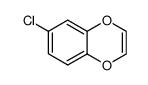 CAS#:67470-96-6
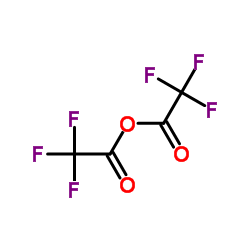 CAS#:407-25-0
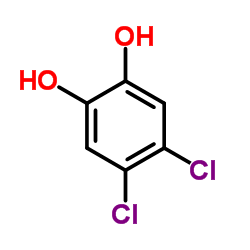 CAS#:3428-24-8
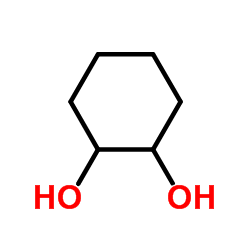 CAS#:931-17-9
 CAS#:108-94-1
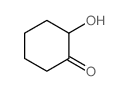 CAS#:533-60-8
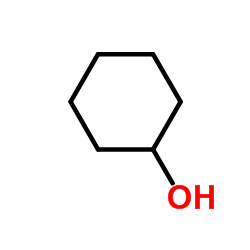 CAS#:108-93-0
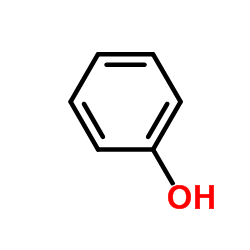 CAS#:108-95-2
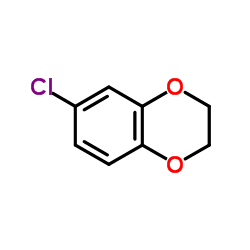 CAS#:57744-68-0
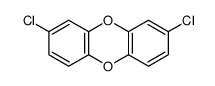 CAS#:38964-22-6
 CAS#:33857-26-0
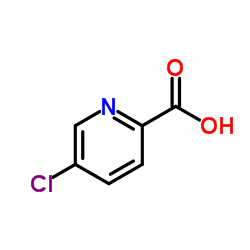 CAS#:86873-60-1
This table shows customs‑related data including HS‑code, tariff and regulatory conditions for import and export.
| HS Code | 2908199090 |
|---|---|
| Summary | HS: 2908199090. derivatives of polyphenols or phenol-alcohols containing only halogen substituents and their salts. VAT:17.0%. tax rebate rate:9.0%. supervision conditions:None. MFN tariff:5.5%. general tariff:30.0% |
This table lists relevant public references with title, journal and publication metadata for this compound.
|
Identification of Triclosan-O-Sulfate and other transformation products of Triclosan formed by activated sludge.
Sci. Total Environ. 505 , 39-46, (2014) Aerobic degradation experiments of Triclosan were performed in activated sludge to identify possible transformation products for this compound. During 7 days, the formation of biotransformation produc... |
|
|
Characterization of catechol 2,3-dioxygenase from Planococcus sp. strain S5 induced by high phenol concentration.
Acta Biochim. Pol. 59(3) , 345-51, (2012) This study aimed at characterization of a new catechol 2,3-dioxygenase isolated from a Gram-positive bacterium able to utilize phenol as the sole carbon and energy source. Planococcus sp. strain S5 gr... |
|
|
Multistep conversion of para-substituted phenols by phenol hydroxylase and 2,3-dihydroxybiphenyl 1,2-dioxygenase.
Appl. Biochem. Biotechnol. 169(7) , 2064-75, (2013) A multistep conversion system of para-substituted phenols by recombinant phenol hydroxylase (PH(IND)) and 2,3-dihydroxybiphenyl 1,2-dioxygenase (BphC(LA-4)) was constructed in this study. Docking stud... |
This table collects all English aliases, systematic names and CAS‑related synonyms of the compound.
| 4-Chloro-1,2-benzenediol |
| 4-chloropyrocatechol |
| 1,2-dihydroxy 4-chlorobenzene |
| 4-Chlorobenzene-1,2-diol |
| Pyrocatechol,4-chloro |
| EINECS 218-381-9 |
| MFCD00059614 |
| 4-Chloro-1,2-dihydroxybenzene |
| 1,2-Benzenediol,4-chloro |
| p-Cl-catechol |
| 3,4-dihydroxychlorobenzene |
| 4-Chlorbenzol-1,2-diol |
| 4-Chlorocatechol |
This section contains frequently‑asked‑questions about this compound, including basic parameters, properties, storage conditions and corresponding answers.
| Q: What is the molecular formula of 4-chlorocatechol? |
| A: Molecular formula of 4-chlorocatechol is C6H5ClO2. |
| Q: What is the polar surface area (PSA) of 4-chlorocatechol? |
| A: Polar surface area (PSA) of 4-chlorocatechol is 40.46000. |
| Q: What is the SMILES notation of 4-chlorocatechol? |
| A: SMILES notation of 4-chlorocatechol is Oc1ccc(Cl)cc1O. |
| Q: What are the upstream materials of 4-chlorocatechol? |
| A: Related upstream materials(CAS) of 4-chlorocatechol: 106-48-9;635-93-8;120-80-9;1121-75-1;110851-18-8;1315577-25-3;1344113-42-3;67470-96-6;407-25-0. |
| Q: What is the CAS number of 4-chlorocatechol? |
| A: CAS number of 4-chlorocatechol is 2138-22-9. |
| Q: What are the uses of 4-chlorocatechol? |
| A: Main uses of 4-chlorocatechol: 4-Chlorocatechol is a major degradation product of 4-chloro-2-aminophenol (4C2AP). 4-Chlorocatechol is also a substrate for catechol 1,2-dioxygenases and chlorocatechol dioxygenase[1][2]. |
| Q: What are the downstream products of 4-chlorocatechol? |
| A: Related downstream products(CAS) of 4-chlorocatechol: 3428-24-8;931-17-9;108-94-1;533-60-8;108-93-0;108-95-2;57744-68-0;38964-22-6;33857-26-0;86873-60-1. |
| Q: What is the molecular weight of 4-chlorocatechol? |
| A: Molecular weight of 4-chlorocatechol is 144.556. |
| Q: What is the InChIKey of 4-chlorocatechol? |
| A: InChIKey of 4-chlorocatechol is WWOBYPKUYODHDG-UHFFFAOYSA-N. |
| Q: What is the English name of 4-chlorocatechol? |
| A: The English name of 4-chlorocatechol is 4-chlorocatechol. |
This table lists manufacturers and suppliers of this compound, including vendor names and product supply reference information.
| Shanghai Nianxing Industrial Co., Ltd |
| Dayang Chem (Hangzhou) Co., Ltd. |