L(+)-Ornithine hydrochloride
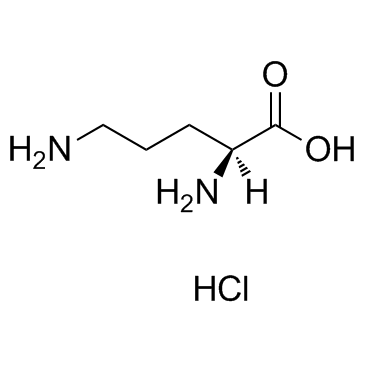
L(+)-Ornithine hydrochloride structure
|
Common Name | L(+)-Ornithine hydrochloride | ||
|---|---|---|---|---|
| CAS Number | 3184-13-2 | Molecular Weight | 168.622 | |
| Density | 1.57 | Boiling Point | 308.7ºC at 760 mmHg | |
| Molecular Formula | C5H13ClN2O2 | Melting Point | 245 °C (dec.)(lit.) | |
| MSDS | Chinese USA | Flash Point | 140.5ºC | |
Use of L(+)-Ornithine hydrochlorideL-Ornithine Hydrochloride is a free amino acid that plays a central role in the urea cycle and is also important for the disposal of excess nitrogen. |
This table lists Chinese names, IUPAC names and various aliases of this chemical substance.
| Name | L(+)-Ornithine hydrochloride |
|---|---|
| Synonym | More Synonyms |
This table contains bioactivity, target information and biological‑assay experimental data of this compound.
| Description | L-Ornithine Hydrochloride is a free amino acid that plays a central role in the urea cycle and is also important for the disposal of excess nitrogen. |
|---|---|
| Related Catalog | |
| Target |
Human Endogenous Metabolite |
| References |
This table shows physicochemical parameters including melting point, boiling point, density, solubility and optical rotation. Missing data is marked as N/A.
| Density | 1.57 |
|---|---|
| Boiling Point | 308.7ºC at 760 mmHg |
| Melting Point | 245 °C (dec.)(lit.) |
| Molecular Formula | C5H13ClN2O2 |
| Molecular Weight | 168.622 |
| Flash Point | 140.5ºC |
| Exact Mass | 168.066559 |
| PSA | 89.34000 |
| LogP | 1.33980 |
| Index of Refraction | 24 ° (C=4, 6mol/L HCl) |
| InChIKey | GGTYBZJRPHEQDG-WCCKRBBISA-N |
| SMILES | Cl.NCCCC(N)C(=O)O |
This table provides MSDS information including hazard classification, first‑aid, fire‑fighting, spill handling, operation and storage instructions.
This table summarizes toxicological test data, acute & chronic toxicity and ecological hazard parameters for this chemical.
CHEMICAL IDENTIFICATION
HEALTH HAZARD DATAACUTE TOXICITY DATA
|
This table covers safety warnings, protective measures, incompatible substances and disposal guidelines for this compound.
| Personal Protective Equipment | Eyeshields;Gloves;type N95 (US);type P1 (EN143) respirator filter |
|---|---|
| Hazard Codes | Xi |
| Risk Phrases | R36/37/38 |
| Safety Phrases | S24/25 |
| RIDADR | NONH for all modes of transport |
| WGK Germany | 3 |
| RTECS | RM2985000 |
| HS Code | 2922499990 |
This table presents publicly reported synthetic routes, reaction conditions, reactants and product information of the compound.
|
~%
L(+)-Ornithine ... CAS#:3184-13-2 |
| Literature: European Journal of Organic Chemistry, , # 21 p. 4391 - 4396 |
|
~%
L(+)-Ornithine ... CAS#:3184-13-2 |
| Literature: European Journal of Organic Chemistry, , # 21 p. 4391 - 4396 |
|
~%
L(+)-Ornithine ... CAS#:3184-13-2 |
| Literature: Siebum, Arjan H. G.; Tsang, Robert K. F.; Van Der Steen, Rob; Raap, Jan; Lugtenburg, Johan European Journal of Organic Chemistry, 2004 , # 21 p. 4391 - 4396 |
|
~%
L(+)-Ornithine ... CAS#:3184-13-2
Learn More
|
| Literature: Journal of Chemical Thermodynamics, , vol. 25, # 2 p. 293 - 305 |
![1,1-dimethylethyl 4-cyano-(2S)-[(diphenylmethylene)amino]butanoate structure](https://image.chemsrc.com/caspic/077/271601-28-6.png)

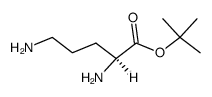
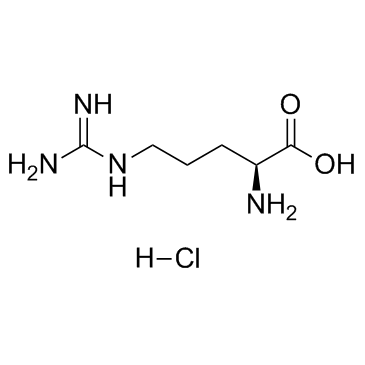
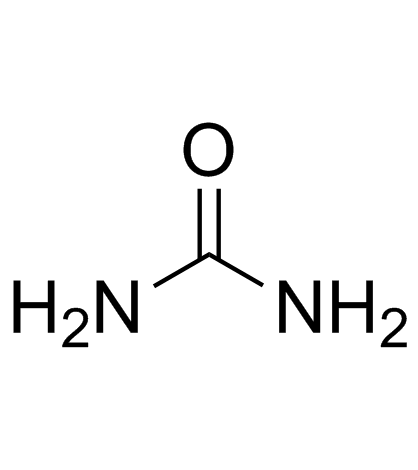
This table lists upstream starting materials and downstream derivative products related to this chemical.
| Precursor 4 | |
|---|---|
| DownStream 10 | |
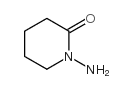 CAS#:31967-09-6
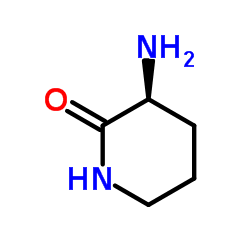 CAS#:34294-79-6
 CAS#:3304-51-6
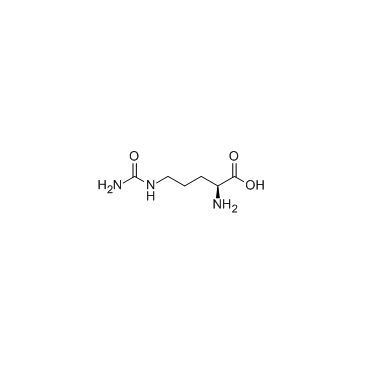 CAS#:372-75-8
 CAS#:147071-84-9
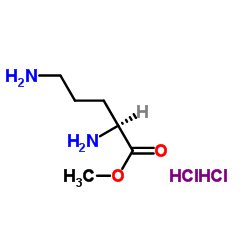 CAS#:40216-82-8
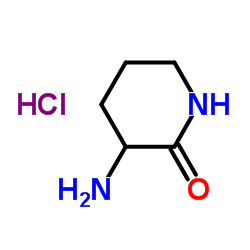 CAS#:42538-31-8
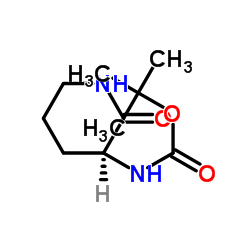 CAS#:92235-39-7
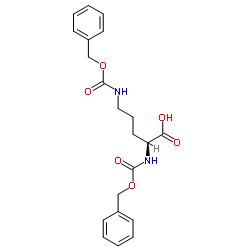 CAS#:2274-58-0
 CAS#:841-67-8
This table records publicly available preparation methods, process key points and operation references.

This table shows customs‑related data including HS‑code, tariff and regulatory conditions for import and export.
| HS Code | 2922499990 |
|---|---|
| Summary | HS:2922499990 other amino-acids, other than those containing more than one kind of oxygen function, and their esters; salts thereof VAT:17.0% Tax rebate rate:9.0% Supervision conditions:AB(certificate of inspection for goods inward,certificate of inspection for goods outward) MFN tariff:6.5% General tariff:30.0% |
This table lists relevant public references with title, journal and publication metadata for this compound.
|
Increased ornithine-derived polyamines cause airway hyperresponsiveness in a mouse model of asthma.
Am. J. Respir. Cell. Mol. Biol. 48(6) , 694-702, (2013) Up-regulation of arginase contributes to airways hyperresponsiveness (AHR) in asthma by reducing L-arginine bioavailability for the nitric oxide (NO) synthase isozymes. The product of arginase activit... |
|
|
Microbacterium kyungheense sp. nov. and Microbacterium jejuense sp. nov., isolated from salty soil.
Int. J. Syst. Evol. Microbiol. 64(Pt 7) , 2267-73, (2014) Two novel strains, THG-C26(T) and THG-C31(T), were characterized using a polyphasic approach to determine their taxonomic positions. These two isolates were aerobic, Gram-stain-positive, non-motile, n... |
|
|
Treatment of arginase deficiency revisited: guanidinoacetate as a therapeutic target and biomarker for therapeutic monitoring.
Dev. Med. Child Neurol. 56(10) , 1021-4, (2014) Hyperargininaemia is a disorder of the last step of the urea cycle. It is an autosomal recessive disease caused by deficiency of liver arginase-1 and usually presents later in childhood with progressi... |
This table collects all English aliases, systematic names and CAS‑related synonyms of the compound.
| L-Ornithine, monohydrochloride |
| H-Orn-OH.HCl |
| L-Orn hydrochloride |
| (2S)-2,5-diaminopentanoic acid hydrochloride |
| L-Ornithine monohydrochloride |
| L-Ornithine HCl |
| (S)-2,5-Diaminovaleric acid monohydrochloride |
| D-ORNITHINE HCL |
| L(+)-Ornithinehydrochloride |
| H-Orn-OH·HCl |
| (S)-2,5-Diaminopentanoic acid monohydrochloride |
| D-ORN,HCL |
| MFCD00012917 |
| H-D-ORN HCL |
| L-ORN HCL |
| ORNITHINE HCL |
| L(+)-Ornithine Hydrochloride |
| L-Ornithine hydrochloride (1:1) |
| H-L-ORN-OH HCL |
| Z3YZVQ &&L or S Form HCl |
| (S)-(+)-2,5-Diaminopentanoic acid hydrochloride |
| H-D-ORN-OH HCL |
| (S)-2,5-Diaminopentanoic acid hydrochloride |
| L-Ornithine, hydrochloride (1:1) |
| EINECS 240-729-3 |
| L-ornithine hydrochloride |
| Guanine Hydrochloride |
This section contains frequently‑asked‑questions about this compound, including basic parameters, properties, storage conditions and corresponding answers.
| Q: What is the SMILES notation of L(+)-Ornithine hydrochloride? |
| A: SMILES notation of L(+)-Ornithine hydrochloride is Cl.NCCCC(N)C(=O)O. |
| Q: What is the English name of L(+)-Ornithine hydrochloride? |
| A: The English name of L(+)-Ornithine hydrochloride is L(+)-Ornithine hydrochloride. |
| Q: What is the LogP of L(+)-Ornithine hydrochloride? |
| A: LogP of L(+)-Ornithine hydrochloride is 1.33980. |
| Q: What are the downstream products of L(+)-Ornithine hydrochloride? |
| A: Related downstream products(CAS) of L(+)-Ornithine hydrochloride: 31967-09-6;34294-79-6;3304-51-6;372-75-8;147071-84-9;40216-82-8;42538-31-8;92235-39-7;2274-58-0;841-67-8. |
| Q: What is the InChIKey of L(+)-Ornithine hydrochloride? |
| A: InChIKey of L(+)-Ornithine hydrochloride is GGTYBZJRPHEQDG-WCCKRBBISA-N. |
| Q: What is the safety information for L(+)-Ornithine hydrochloride? |
| A: Safety information for L(+)-Ornithine hydrochloride: S24/25. |
| Q: What is the polar surface area (PSA) of L(+)-Ornithine hydrochloride? |
| A: Polar surface area (PSA) of L(+)-Ornithine hydrochloride is 89.34000. |
| Q: How is L(+)-Ornithine hydrochloride prepared? |
| A: Preparation method for L(+)-Ornithine hydrochloride: . |
| Q: What is the molecular weight of L(+)-Ornithine hydrochloride? |
| A: Molecular weight of L(+)-Ornithine hydrochloride is 168.622. |
| Q: What are the uses of L(+)-Ornithine hydrochloride? |
| A: Main uses of L(+)-Ornithine hydrochloride: L-Ornithine Hydrochloride is a free amino acid that plays a central role in the urea cycle and is also important for the disposal of excess nitrogen. |
This table lists manufacturers and suppliers of this compound, including vendor names and product supply reference information.
| Shanghai Nianxing Industrial Co., Ltd |
| Dayang Chem (Hangzhou) Co., Ltd. |
| Henan Tianfu Chemical Co., Ltd. |