L-Dehydroascorbic acid

L-Dehydroascorbic acid structure
|
Common Name | L-Dehydroascorbic acid | ||
|---|---|---|---|---|
| CAS Number | 490-83-5 | Molecular Weight | 174.108 | |
| Density | 1.7±0.1 g/cm3 | Boiling Point | 389.3±38.0 °C at 760 mmHg | |
| Molecular Formula | C6H6O6 | Melting Point | 228 °C (dec.)(lit.) | |
| MSDS | N/A | Flash Point | 170.0±20.3 °C | |
Use of L-Dehydroascorbic acidDehydroascorbic acid, a blood-brain barrier transportable form of vitamin C, mediates potent cerebroprotection in experimental stroke. |
Summary: Dehydroascorbic acid (L-Dehydroascorbic acid) has the CAS number 490-83-5, with a molecular formula of C6H6O6 and a molecular weight of 174.108. It appears as a white to light brown powder with a melting point of 228°C (decomposition) and a boiling point of 389.3±38.0 °C. For research-use only, not for medical or clinical usage.
This table lists Chinese names, IUPAC names and various aliases of this chemical substance.
| Name | dehydroascorbic acid |
|---|---|
| Synonym | More Synonyms |
This table contains bioactivity, target information and biological‑assay experimental data of this compound.
| Description | Dehydroascorbic acid, a blood-brain barrier transportable form of vitamin C, mediates potent cerebroprotection in experimental stroke. |
|---|---|
| Related Catalog | |
| Target |
Human Endogenous Metabolite |
| In Vitro | Neuronal injury in ischemic stroke is partly mediated by cytotoxic reactive oxygen species. Although the antioxidant ascorbic acid (AA) or vitamin C does not penetrate the blood-brain barrier (BBB), its oxidized form, dehydroascorbic acid (DHA), enters the brain by means of facilitative transport[1]. |
| References |
This table shows physicochemical parameters including melting point, boiling point, density, solubility and optical rotation. Missing data is marked as N/A.
| Density | 1.7±0.1 g/cm3 |
|---|---|
| Boiling Point | 389.3±38.0 °C at 760 mmHg |
| Melting Point | 228 °C (dec.)(lit.) |
| Molecular Formula | C6H6O6 |
| Molecular Weight | 174.108 |
| Flash Point | 170.0±20.3 °C |
| Exact Mass | 174.016434 |
| PSA | 100.90000 |
| LogP | -2.32 |
| Vapour Pressure | 0.0±2.0 mmHg at 25°C |
| Index of Refraction | 1.570 |
| InChIKey | SBJKKFFYIZUCET-JLAZNSOCSA-N |
| SMILES | O=C1OC(C(O)CO)C(=O)C1=O |
| Storage condition | −20°C |
This table provides MSDS information including hazard classification, first‑aid, fire‑fighting, spill handling, operation and storage instructions.
|
Section 1. Chemical Product and Company Identification Dehydroascorbic acidCatalog DE100 Common Name/ Number(s). Trade Name CAS#490-83-5
Manufacturer RTECSNot available. SPECTRUM CHEMICAL MFG. CORP. TSCATSCA 8(b) inventory: No products were found. Commercial Name(s)Not available. CI# Not available. SynonymL-threo-2,3-Hexadiulosonic acid gamma-lactone IN CASE OF EMERGENCY Not available. Chemical Name Chemical FamilyNot available.CALL (310) 516-8000 C6H6O6 Chemical Formula SPECTRUM CHEMICAL MFG. CORP. Section 2.Composition and Information on Ingredients Exposure Limits TWA (mg/m3)STEL (mg/m3) CEIL (mg/m3) NameCAS #% by Weight 1) Dehydroascorbic acid490-83-5100 Toxicological DataNot applicable. on Ingredients Section 3. Hazards Identification Potential Acute Health Effects Hazardous in case of ingestion. Slightly hazardous in case of skin contact (irritant), of eye contact (irritant), of inhalation. Potential Chronic HealthHazardous in case of ingestion. Slightly hazardous in case of skin contact (irritant), of eye contact (irritant), of inhalation. Effects CARCINOGENIC EFFECTS: Not available. MUTAGENIC EFFECTS: Not available. TERATOGENIC EFFECTS: Not available. DEVELOPMENTAL TOXICITY: Not available. Dehydroascorbic acid Section 4. First Aid Measures Eye ContactNo known effect on eye contact, rinse with water for a few minutes. Skin ContactAfter contact with skin, wash immediately with plenty of water. Gently and thoroughly wash the contaminated skin with running water and non-abrasive soap. Be particularly careful to clean folds, crevices, creases and groin. Cover the irritated skin with an emollient. If irritation persists, seek medical attention. Wash contaminated clothing before reusing. Serious Skin ContactNot available. InhalationAllow the victim to rest in a well ventilated area. Seek immediate medical attention. Serious InhalationNot available. IngestionDo not induce vomiting. Loosen tight clothing such as a collar, tie, belt or waistband. If the victim is not breathing, perform mouth-to-mouth resuscitation. Seek immediate medical attention. Serious IngestionNot available. Section 5. Fire and Explosion Data Flammability of the Product May be combustible at high temperature. Auto-Ignition Temperature Not available. Flash PointsNot available. Flammable LimitsNot available. These products are carbon oxides (CO, CO2). Products of Combustion Fire Hazards in Presence of Not available. Various Substances Explosion Hazards in Presence Risks of explosion of the product in presence of mechanical impact: Not available. of Various SubstancesRisks of explosion of the product in presence of static discharge: Not available. Fire Fighting MediaSMALL FIRE: Use DRY chemical powder. and InstructionsLARGE FIRE: Use water spray, fog or foam. Do not use water jet. Special Remarks onNot available. Fire Hazards Special Remarks on Explosion Not available. Hazards Section 6. Accidental Release Measures Small SpillUse appropriate tools to put the spilled solid in a convenient waste disposal container. Finish cleaning by spreading water on the contaminated surface and dispose of according to local and regional authority requirements. Large Spill Use a shovel to put the material into a convenient waste disposal container. Finish cleaning by spreading water on the contaminated surface and allow to evacuate through the sanitary system. Dehydroascorbic acid Section 7. Handling and Storage PrecautionsKeep away from heat. Keep away from sources of ignition. Empty containers pose a fire risk, evaporate the residue under a fume hood. Ground all equipment containing material. Do not breathe dust. StorageKeep container dry. Keep in a cool place. Ground all equipment containing material. Keep container tightly closed. Keep in a cool, well-ventilated place. Combustible materials should be stored away from extreme heat and away from strong oxidizing agents. Section 8. Exposure Controls/Personal Protection Engineering ControlsUse process enclosures, local exhaust ventilation, or other engineering controls to keep airborne levels below recommended exposure limits. If user operations generate dust, fume or mist, use ventilation to keep exposure to airborne contaminants below the exposure limit. Personal ProtectionSafety glasses. Lab coat. Dust respirator. Be sure to use an approved/certified respirator or equivalent. Gloves. Personal Protection in Case of Splash goggles. Full suit. Dust respirator. Boots. Gloves. A self contained breathing apparatus should be used a Large Spillto avoid inhalation of the product. Suggested protective clothing might not be sufficient; consult a specialist BEFORE handling this product. Exposure LimitsNot available. Section 9. Physical and Chemical Properties Physical state and appearance Solid.Not available. Odor TasteNot available. Molecular Weight174.11 g/mole ColorNot available. pH (1% soln/water)Not available. Boiling PointNot available. Melting PointDecomposes. (225°C or 437°F) Critical TemperatureNot available. Not available. Specific Gravity Vapor PressureNot applicable. Not available. Vapor Density VolatilityNot available. Not available. Odor Threshold Water/Oil Dist. Coeff.Not available. Ionicity (in Water)Not available. Not available. Dispersion Properties SolubilityNot available. Section 10. Stability and Reactivity Data StabilityThe product is stable. Instability TemperatureNot available. Conditions of InstabilityNot available. Incompatibility with variousNot available. substances CorrosivityNon-corrosive in presence of glass. Dehydroascorbic acid Not available. Special Remarks on Reactivity Not available. Special Remarks on Corrosivity PolymerizationNo. Section 11. Toxicological Information Routes of EntryIngestion. Toxicity to AnimalsLD50: Not available. LC50: Not available. Chronic Effects on Humans Not available. Other Toxic Effects on Hazardous in case of ingestion. HumansSlightly hazardous in case of skin contact (irritant), of inhalation. Special Remarks on Not available. Toxicity to Animals Special Remarks onNot available. Chronic Effects on Humans Special Remarks on otherNot available. Toxic Effects on Humans Section 12. Ecological Information EcotoxicityNot available. Not available. BOD5 and COD Possibly hazardous short term degradation products are not likely. However, long term degradation products may Products of Biodegradation arise. Toxicity of the ProductsThe products of degradation are more toxic. of Biodegradation Special Remarks on theNot available. Products of Biodegradation Section 13. Disposal Considerations Waste Disposal Section 14. Transport Information DOT ClassificationNot a DOT controlled material (United States). IdentificationNot applicable. Not applicable. Special Provisions for Transport DOT (Pictograms) Dehydroascorbic acid Section 15. Other Regulatory Information and Pictograms TSCA 8(b) inventory: No products were found. Federal and State Regulations California Proposition 65 Warnings Other RegulationsNot available.. WHMIS (Canada) Not controlled under WHMIS (Canada). Other Classifications DSCL (EEC)This product is not classified according to the EU regulations. Health Hazard HMIS (U.S.A.)1 National Fire Protection 1 Flammability 1 Association (U.S.A.) Fire Hazard 1 0 Reactivity Health Reactivity 0 Specific hazard Personal Protection E WHMIS (Canada) (Pictograms) DSCL (Europe) (Pictograms) TDG (Canada) (Pictograms) ADR (Europe) (Pictograms) Protective Equipment Gloves. Lab coat. Dust respirator. Be sure to use an approved/certified respirator or equivalent. Safety glasses. SECTION 16 - ADDITIONAL INFORMATION N/A |
This table presents publicly reported synthetic routes, reaction conditions, reactants and product information of the compound.
This table lists upstream starting materials and downstream derivative products related to this chemical.
| Precursor 9 | |
|---|---|
| DownStream 9 | |
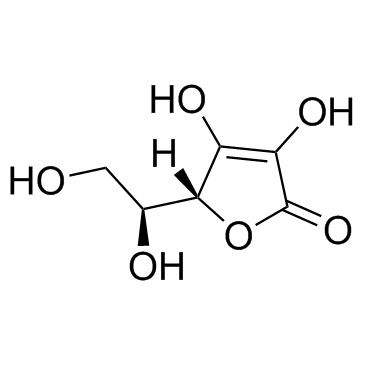 CAS#:50-81-7
 CAS#:78619-96-2
 CAS#:7732-18-5
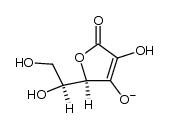 CAS#:299-36-5
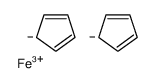 CAS#:12125-80-3
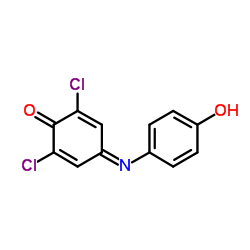 CAS#:956-48-9
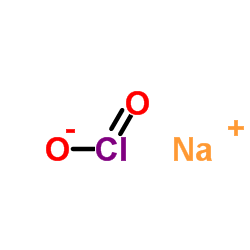 CAS#:7758-19-2
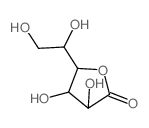 CAS#:1668-08-2
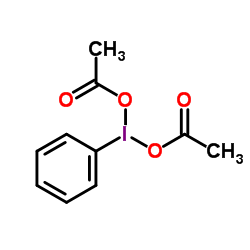 CAS#:3240-34-4
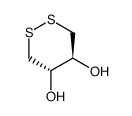 CAS#:74185-01-6
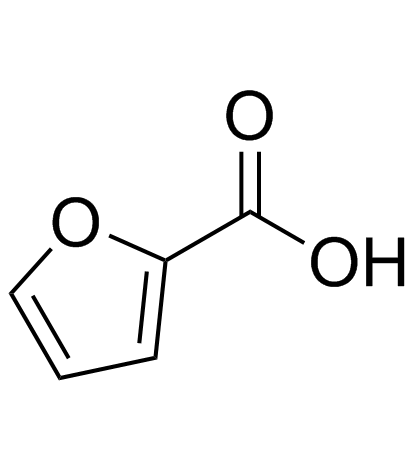 CAS#:88-14-2
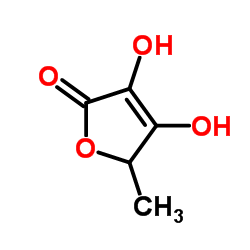 CAS#:3566-57-2
 CAS#:3445-22-5
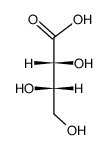 CAS#:7306-96-9
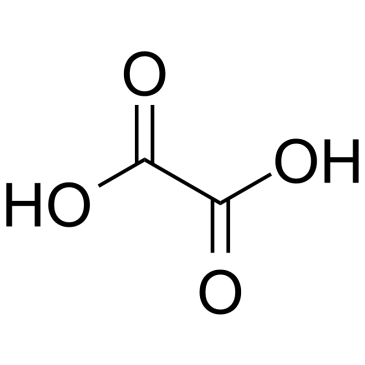 CAS#:144-62-7
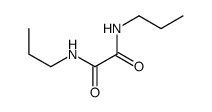 CAS#:14040-77-8
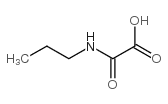 CAS#:81682-53-3
This table collects all English aliases, systematic names and CAS‑related synonyms of the compound.
| L-threo-2,3-Hexodiulosonic Acid g-Lactone |
| (5R)-5-[(1S)-1,2-Dihydroxyethyl]-2,3,4(5H)-furantrion |
| MFCD00066467 |
| (5R)-5-[(1S)-1,2-Dihydroxyethyl]-2,3,4(5H)-furantrione |
| L-Dehydro Ascorbic Acid |
| DEHYDROASCORBIC ACID |
| EINECS 207-720-6 |
| L-Dehydroascorbic acid |
| L-threo-2,3-Hexodiulosonic acid γ-lactone |
| (5R)-5-[(1S)-1,2-Dihydroxyéthyl]-2,3,4(5H)-furanetrione |
| (5R)-5-[(1S)-1,2-Dihydroxyethyl]furan-2,3,4(5H)-trione (non-preferred name) |
This section contains frequently‑asked‑questions about this compound, including basic parameters, properties, storage conditions and corresponding answers.
| Q: What is the CAS number of dehydroascorbic acid? |
| A: CAS number of dehydroascorbic acid is 490-83-5. |
| Q: What is the SMILES notation of dehydroascorbic acid? |
| A: SMILES notation of dehydroascorbic acid is O=C1OC(C(O)CO)C(=O)C1=O. |
| Q: What are the upstream materials of dehydroascorbic acid? |
| A: Related upstream materials(CAS) of dehydroascorbic acid: 50-81-7;78619-96-2;7732-18-5;299-36-5;12125-80-3;956-48-9;7758-19-2;1668-08-2;3240-34-4. |
| Q: What is the molecular weight of dehydroascorbic acid? |
| A: Molecular weight of dehydroascorbic acid is 174.108. |
| Q: What is the molecular formula of dehydroascorbic acid? |
| A: Molecular formula of dehydroascorbic acid is C6H6O6. |
| Q: What is the InChIKey of dehydroascorbic acid? |
| A: InChIKey of dehydroascorbic acid is SBJKKFFYIZUCET-JLAZNSOCSA-N. |
| Q: What is the melting point of dehydroascorbic acid? |
| A: Melting point of dehydroascorbic acid is 228 °C (dec.)(lit.). |
| Q: What is the boiling point of dehydroascorbic acid? |
| A: Boiling point of dehydroascorbic acid is 389.3±38.0 °C at 760 mmHg. |
| Q: What is the English name of dehydroascorbic acid? |
| A: The English name of dehydroascorbic acid is dehydroascorbic acid. |
| Q: What are the storage conditions for dehydroascorbic acid? |
| A: Storage conditions for dehydroascorbic acid: −20°C. |
This table lists manufacturers and suppliers of this compound, including vendor names and product supply reference information.
| Shanghai Nianxing Industrial Co., Ltd |
| Dayang Chem (Hangzhou) Co., Ltd. |
| Henan Tianfu Chemical Co., Ltd. |