2-Methylcyclohexa-2,5-diene-1,4-dione
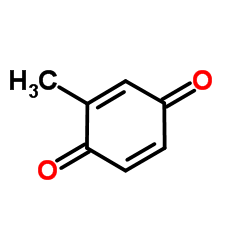
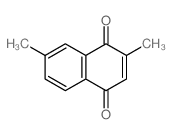
2-Methylcyclohexa-2,5-diene-1,4-dione structure
|
Common Name | 2-Methylcyclohexa-2,5-diene-1,4-dione | ||
|---|---|---|---|---|
| CAS Number | 553-97-9 | Molecular Weight | 122.121 | |
| Density | 1.2±0.1 g/cm3 | Boiling Point | 186.6±15.0 °C at 760 mmHg | |
| Molecular Formula | C7H6O2 | Melting Point | 66-67 °C(lit.) | |
| MSDS | Chinese USA | Flash Point | 64.9±17.4 °C | |
| Symbol |

GHS07 |
Signal Word | Warning | |
| Name | 2-methylcyclohexa-2,5-diene-1,4-dione |
|---|---|
| Synonym | More Synonyms |
| Density | 1.2±0.1 g/cm3 |
|---|---|
| Boiling Point | 186.6±15.0 °C at 760 mmHg |
| Melting Point | 66-67 °C(lit.) |
| Molecular Formula | C7H6O2 |
| Molecular Weight | 122.121 |
| Flash Point | 64.9±17.4 °C |
| Exact Mass | 122.036781 |
| PSA | 34.14000 |
| LogP | 0.86 |
| Vapour Pressure | 0.7±0.4 mmHg at 25°C |
| Index of Refraction | 1.524 |
| InChIKey | VTWDKFNVVLAELH-UHFFFAOYSA-N |
| SMILES | CC1=CC(=O)C=CC1=O |
| Water Solubility | insoluble |
CHEMICAL IDENTIFICATION
HEALTH HAZARD DATAACUTE TOXICITY DATA
MUTATION DATA
|
| Symbol |
GHS07 |
|---|---|
| Signal Word | Warning |
| Hazard Statements | H302-H315-H319-H335 |
| Precautionary Statements | P261-P305 + P351 + P338 |
| Personal Protective Equipment | dust mask type N95 (US);Eyeshields;Faceshields;Gloves |
| Hazard Codes | T:Toxic; |
| Risk Phrases | R25;R36/37/38 |
| Safety Phrases | S26-S45-S37/39-S28A |
| RIDADR | NONH for all modes of transport |
| WGK Germany | 3 |
| RTECS | DK6300000 |
| Packaging Group | II; III |
| Hazard Class | 4.1 |
| HS Code | 29146990 |
| Precursor 10 | |
|---|---|
| DownStream 10 | |
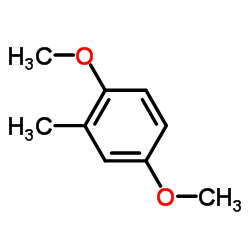 CAS#:24599-58-4
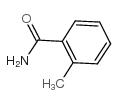 CAS#:527-85-5
 CAS#:108-39-4
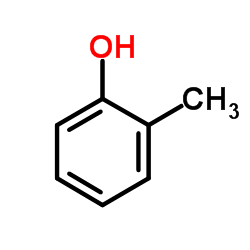 CAS#:95-48-7
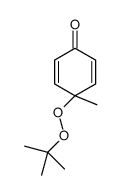 CAS#:119711-73-8
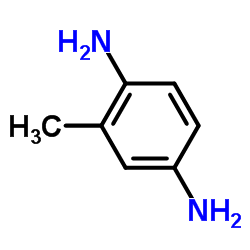 CAS#:95-70-5
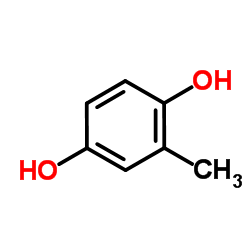 CAS#:95-71-6
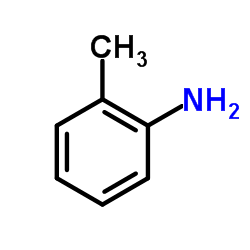 CAS#:95-53-4
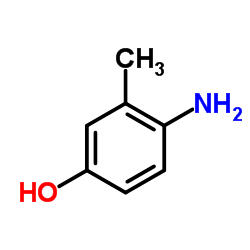 CAS#:2835-99-6
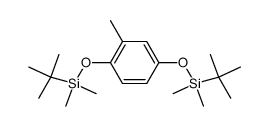 CAS#:78018-56-1
 CAS#:110519-58-9
 CAS#:35458-39-0
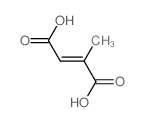 CAS#:498-24-8
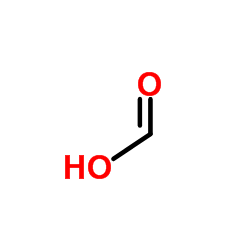 CAS#:64-18-6
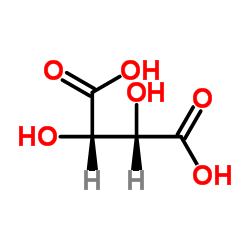 CAS#:87-69-4
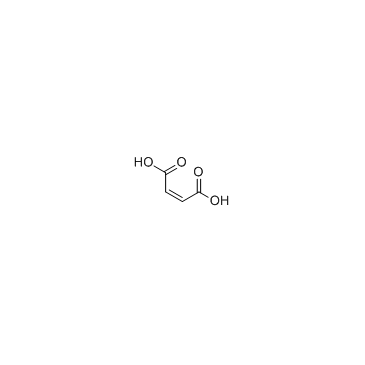 CAS#:110-16-7
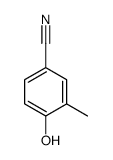 CAS#:15777-70-5
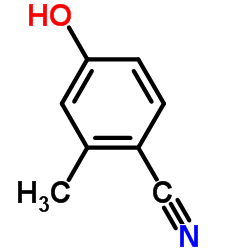 CAS#:14143-26-1
 CAS#:481-85-6
 CAS#:482-70-2
| HS Code | 2914690090 |
|---|---|
| Summary | 2914690090 other quinones。Supervision conditions:None。VAT:17.0%。Tax rebate rate:9.0%。MFN tariff:5.5%。General tariff:30.0% |
|
Indoleamine 2,3-dioxygenase is the anticancer target for a novel series of potent naphthoquinone-based inhibitors.
J. Med. Chem. 51 , 1706-18, (2008) Indoleamine 2,3-dioxygenase (IDO) is emerging as an important new therapeutic target for the treatment of cancer, chronic viral infections, and other diseases characterized by pathological immune supp... |
|
|
A class of benzenoid chemicals suppresses apoptosis in C. elegans.
ChemBioChem. 7(12) , 2010-5, (2006) Benzene is a human carcinogen that might act through both genotoxic and nongenotoxic mechanisms to promote tumorigenesis. The genotoxic effects of benzene are well established, however, its potential ... |
|
|
Oxidative DNA damage by minor metabolites of toluene may lead to carcinogenesis and reproductive dysfunction.
Biochem. Biophys. Res. Commun. 261(2) , 478-83, (1999) Recently, the concern that toluene might have carcinogenic and reproductive toxic potential has been raised. We investigated the ability of DNA damage by minor metabolites of toluene, methylhydroquino... |
| 2-methylbenzoquinone |
| 2-Methylquinone |
| p-Toluquinone |
| 2-Methyl-1,4-benzoquinone |
| MFCD00001603 |
| 2-methyl-p-benzoquinone |
| 2-Methyl-2,5-cyclohexadiene-1,4-dione |
| Methylquinone |
| 2-methylbenzo-1,4-quinone |
| Tolylquinone |
| monomethyl-1,4-benzoquinone |
| Methylbenzoquinone |
| Toluquinone |
| EINECS 209-056-2 |
| p-Benzoquinone,2-methyl |
| Methyl-p-benzoquinone |
| methyl-1,4-benzoquinone |