3-Chloro-2-methyl-1-propene

3-Chloro-2-methyl-1-propene structure
|
Common Name | 3-Chloro-2-methyl-1-propene | ||
|---|---|---|---|---|
| CAS Number | 563-47-3 | Molecular Weight | 90.551 | |
| Density | 0.9±0.1 g/cm3 | Boiling Point | 72.4±9.0 °C at 760 mmHg | |
| Molecular Formula | C4H7Cl | Melting Point | -80 °C | |
| MSDS | Chinese USA | Flash Point | -10.0±0.0 °C | |
| Symbol |


GHS02, GHS05, GHS07, GHS09 |
Signal Word | Danger | |
This table lists Chinese names, IUPAC names and various aliases of this chemical substance.
| Name | 3-Chloro-2-methylpropene |
|---|---|
| Synonym | More Synonyms |
This table shows physicochemical parameters including melting point, boiling point, density, solubility and optical rotation. Missing data is marked as N/A.
| Density | 0.9±0.1 g/cm3 |
|---|---|
| Boiling Point | 72.4±9.0 °C at 760 mmHg |
| Melting Point | -80 °C |
| Molecular Formula | C4H7Cl |
| Molecular Weight | 90.551 |
| Flash Point | -10.0±0.0 °C |
| Exact Mass | 90.023628 |
| LogP | 2.20 |
| Vapour density | 3.12 (vs air) |
| Vapour Pressure | 129.6±0.1 mmHg at 25°C |
| Index of Refraction | 1.410 |
| InChIKey | OHXAOPZTJOUYKM-UHFFFAOYSA-N |
| SMILES | C=C(C)CCl |
| Water Solubility | 0.5 g/L (20 ºC) |
This table provides MSDS information including hazard classification, first‑aid, fire‑fighting, spill handling, operation and storage instructions.
This table summarizes toxicological test data, acute & chronic toxicity and ecological hazard parameters for this chemical.
CHEMICAL IDENTIFICATION
HEALTH HAZARD DATAACUTE TOXICITY DATA
MUTATION DATA
|
This table covers safety warnings, protective measures, incompatible substances and disposal guidelines for this compound.
| Symbol |
GHS02, GHS05, GHS07, GHS09 |
|---|---|
| Signal Word | Danger |
| Hazard Statements | H225-H302 + H332-H314-H317-H411 |
| Precautionary Statements | P210-P273-P280-P305 + P351 + P338-P310 |
| Personal Protective Equipment | Faceshields;full-face respirator (US);Gloves;Goggles;multi-purpose combination respirator cartridge (US);type ABEK (EN14387) respirator filter |
| Hazard Codes | F:Flammable;C:Corrosive;N:Dangerousfortheenvironment; |
| Risk Phrases | R11;R20/22;R34;R43;R51/53 |
| Safety Phrases | S9-S16-S29-S36/37/39-S45-S61-S26 |
| RIDADR | UN 2554 3/PG 2 |
| WGK Germany | 2 |
| RTECS | UC8050000 |
| Packaging Group | II |
| Hazard Class | 3 |
| HS Code | 2903299090 |
This table presents publicly reported synthetic routes, reaction conditions, reactants and product information of the compound.
This table lists upstream starting materials and downstream derivative products related to this chemical.
| Precursor 8 | |
|---|---|
| DownStream 10 | |
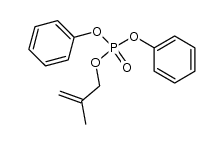 CAS#:32670-93-2
 CAS#:115-11-7
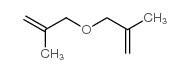 CAS#:628-56-8
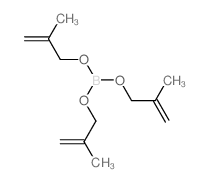 CAS#:78538-54-2
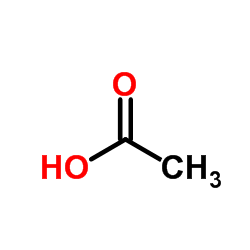 CAS#:64-19-7
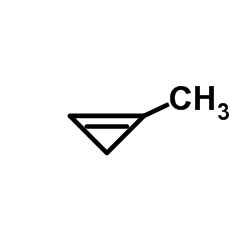 CAS#:3100-04-7
 CAS#:7782-50-5
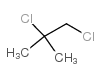 CAS#:594-37-6
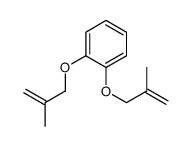 CAS#:10500-86-4
 CAS#:10523-77-0
![2-[2-[2-(2-methylprop-2-enoxy)ethoxy]ethoxy]ethanol structure](https://image.chemsrc.com/caspic/125/111719-00-7.png) CAS#:111719-00-7
CAS#:111719-00-7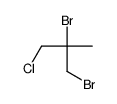 CAS#:10474-14-3
 CAS#:109930-20-3
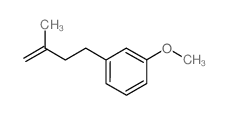 CAS#:40463-03-4
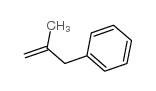 CAS#:3290-53-7
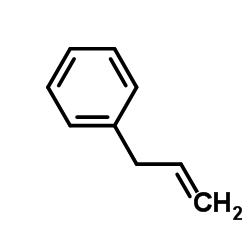 CAS#:300-57-2
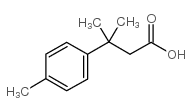 CAS#:42288-08-4
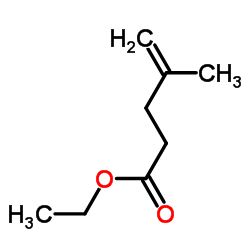 CAS#:4911-54-0
This table shows customs‑related data including HS‑code, tariff and regulatory conditions for import and export.
| HS Code | 2903299090 |
|---|---|
| Summary | 2903299090 other unsaturated chlorinated derivatives of acyclic hydrocarbons。Supervision conditions:None。VAT:17.0%。Tax rebate rate:9.0%。MFN tariff:5.5%。General tariff:30.0% |
This table lists relevant public references with title, journal and publication metadata for this compound.
|
NTP Toxicology and Carcinogenesis Studies of 3-Chloro-2-methylpropene (Technical grade containing 5% dimethylvinyl chloride) (CAS No. 563-47-3) in F344/N Rats and B6C3F1 Mice (Gavage Studies).
Natl. Toxicol. Program Tech. Rep. Ser. 300 , 1-196, (1986) Toxicology and carcinogenesis studies of technical-grade 3-chloro-2-methylpropene (containing 5% dimethylvinyl chloride), a widely used insecticide and a chemical intermediate, were performed on F344/... |
|
|
3-Chloro-2-methylpropene.
IARC Monogr. Eval. Carcinog. Risks Hum. 63 , 325-33, (1995)
|
|
|
3-Chloro-2-methylpropene.
Rep. Carcinog. 12 , 100-1, (2011)
|
This table contains target information, in‑vitro & in‑vivo assay data for this compound.
This table collects all English aliases, systematic names and CAS‑related synonyms of the compound.
| MFCD00000953 |
| EINECS 209-251-2 |
| 3-Chloro-2-methyl-1-propene |
| 3-Chloro-2-methylprop-1-ene |
This section contains frequently‑asked‑questions about this compound, including basic parameters, properties, storage conditions and corresponding answers.
| Q: What is the boiling point of 3-Chloro-2-methylpropene? |
| A: Boiling point of 3-Chloro-2-methylpropene is 72.4±9.0 °C at 760 mmHg. |
| Q: What is the molecular weight of 3-Chloro-2-methylpropene? |
| A: Molecular weight of 3-Chloro-2-methylpropene is 90.551. |
| Q: What are the downstream products of 3-Chloro-2-methylpropene? |
| A: Related downstream products(CAS) of 3-Chloro-2-methylpropene: 10500-86-4;10523-77-0;111719-00-7;10474-14-3;109930-20-3;40463-03-4;3290-53-7;300-57-2;42288-08-4;4911-54-0. |
| Q: What English synonyms does 3-Chloro-2-methylpropene have? |
| A: English synonyms of 3-Chloro-2-methylpropene: MFCD00000953, EINECS 209-251-2, 3-Chloro-2-methyl-1-propene, 3-Chloro-2-methylprop-1-ene. |
| Q: How is the water solubility of 3-Chloro-2-methylpropene? |
| A: Water solubility of 3-Chloro-2-methylpropene: 0.5 g/L (20 ºC). |
| Q: What is the safety information for 3-Chloro-2-methylpropene? |
| A: Safety information for 3-Chloro-2-methylpropene: S9-S16-S29-S36/37/39-S45-S61-S26. |
| Q: What is the SMILES notation of 3-Chloro-2-methylpropene? |
| A: SMILES notation of 3-Chloro-2-methylpropene is C=C(C)CCl. |
| Q: What are the upstream materials of 3-Chloro-2-methylpropene? |
| A: Related upstream materials(CAS) of 3-Chloro-2-methylpropene: 32670-93-2;115-11-7;628-56-8;78538-54-2;64-19-7;3100-04-7;7782-50-5;594-37-6. |
| Q: What is the InChIKey of 3-Chloro-2-methylpropene? |
| A: InChIKey of 3-Chloro-2-methylpropene is OHXAOPZTJOUYKM-UHFFFAOYSA-N. |
| Q: What is the LogP of 3-Chloro-2-methylpropene? |
| A: LogP of 3-Chloro-2-methylpropene is 2.20. |
This table lists manufacturers and suppliers of this compound, including vendor names and product supply reference information.
| Shanghai Nianxing Industrial Co., Ltd |
| Dayang Chem (Hangzhou) Co., Ltd. |
| Henan Tianfu Chemical Co., Ltd. |