Nicotinic acid
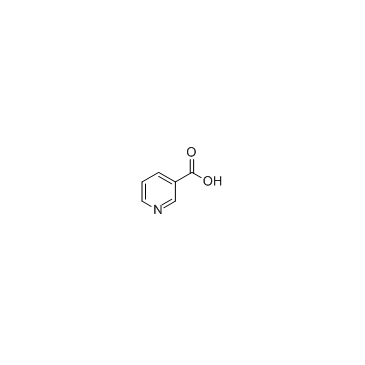
Nicotinic acid structure
|
Common Name | Nicotinic acid | ||
|---|---|---|---|---|
| CAS Number | 59-67-6 | Molecular Weight | 123.11 | |
| Density | 1.473 | Boiling Point | 292.5±13.0 °C at 760 mmHg | |
| Molecular Formula | C6H5NO2 | Melting Point | 234-238 ºC | |
| MSDS | Chinese USA | Flash Point | 130.7±19.8 °C | |
| Symbol |

GHS07 |
Signal Word | Warning | |
Use of Nicotinic acidNiacin (Vitamin B3) is a water-soluble vitamin and is part of the vitamin B group.Target: OthersNiacin (also known as vitamin B3 and nicotinic acid) is an organic compound with the formula C6H5NO2 and, depending on the definition used, one of the 20 to 80 essential human nutrients. Not enough niacin in the diet can cause nausea, skin and mouth lesions, anemia, headaches, and tiredness. Chronic Niacin deficiency leads to a disease called pellagra. The lack of niacin may also be observed in pandemic deficiency disease which is caused by a lack of five crucial vitamins: niacin,vitamin C, thiamin, vitamin D and vitamin A, and is usually found in areas of widespread poverty and malnutrition.Niacin has been used for over 50 years to increase levels of HDL in the blood and has been found to decrease the risk of cardiovascular events modestly in a number of controlled human trials. Niacin cannot be directly converted to nicotinamide, but both compounds could be converted to and are precursors of NAD and NADP in vivo.Nicotinic acid, nicotinamide, and tryptophan (via quinoline acid) are co-factors for nicotinamide adenine dinucleotide (NAD) and nicotinamide adenine dinucleotide phosphate (NADP). NAD converts to NADP by phosphorylation in the presence of the enzyme NAD+ kinase. NADP and NAD are coenzyme for many dehydrogenases, participating in many hydrogen transfer processes. NAD is important in catabolism of fat, carbohydrate, protein, and alcohol, as well as cell signaling and DNA repair, and NADP mostly in anabolism reactions such as fatty acid and cholesterol synthesis.High energy requirements (brain) or high turnover rate (gut, skin) organs are usually the most susceptible to their deficiency. |
This table lists Chinese names, IUPAC names and various aliases of this chemical substance.
| Name | Nicotinic acid |
|---|---|
| Synonym | More Synonyms |
This table contains bioactivity, target information and biological‑assay experimental data of this compound.
| Description | Niacin (Vitamin B3) is a water-soluble vitamin and is part of the vitamin B group.Target: OthersNiacin (also known as vitamin B3 and nicotinic acid) is an organic compound with the formula C6H5NO2 and, depending on the definition used, one of the 20 to 80 essential human nutrients. Not enough niacin in the diet can cause nausea, skin and mouth lesions, anemia, headaches, and tiredness. Chronic Niacin deficiency leads to a disease called pellagra. The lack of niacin may also be observed in pandemic deficiency disease which is caused by a lack of five crucial vitamins: niacin,vitamin C, thiamin, vitamin D and vitamin A, and is usually found in areas of widespread poverty and malnutrition.Niacin has been used for over 50 years to increase levels of HDL in the blood and has been found to decrease the risk of cardiovascular events modestly in a number of controlled human trials. Niacin cannot be directly converted to nicotinamide, but both compounds could be converted to and are precursors of NAD and NADP in vivo.Nicotinic acid, nicotinamide, and tryptophan (via quinoline acid) are co-factors for nicotinamide adenine dinucleotide (NAD) and nicotinamide adenine dinucleotide phosphate (NADP). NAD converts to NADP by phosphorylation in the presence of the enzyme NAD+ kinase. NADP and NAD are coenzyme for many dehydrogenases, participating in many hydrogen transfer processes. NAD is important in catabolism of fat, carbohydrate, protein, and alcohol, as well as cell signaling and DNA repair, and NADP mostly in anabolism reactions such as fatty acid and cholesterol synthesis.High energy requirements (brain) or high turnover rate (gut, skin) organs are usually the most susceptible to their deficiency. |
|---|---|
| Related Catalog | |
| Target |
Human Endogenous Metabolite |
| References |
This table shows physicochemical parameters including melting point, boiling point, density, solubility and optical rotation. Missing data is marked as N/A.
| Density | 1.473 |
|---|---|
| Boiling Point | 292.5±13.0 °C at 760 mmHg |
| Melting Point | 234-238 ºC |
| Molecular Formula | C6H5NO2 |
| Molecular Weight | 123.11 |
| Flash Point | 130.7±19.8 °C |
| PSA | 55.98000 |
| LogP | 0.15 |
| Vapour Pressure | 0.0±0.6 mmHg at 25°C |
| Index of Refraction | 1.571 |
| InChIKey | PVNIIMVLHYAWGP-UHFFFAOYSA-N |
| SMILES | O=C(O)c1cccnc1 |
| Storage condition | 0-6°C |
| Stability | Stable. Incompatible with strong oxidizing agents. May be light sensitive. |
| Water Solubility | 1-5 g/100 mL at 17 ºC |
This table provides MSDS information including hazard classification, first‑aid, fire‑fighting, spill handling, operation and storage instructions.
This table summarizes toxicological test data, acute & chronic toxicity and ecological hazard parameters for this chemical.
CHEMICAL IDENTIFICATION
HEALTH HAZARD DATAACUTE TOXICITY DATA
|
This table covers safety warnings, protective measures, incompatible substances and disposal guidelines for this compound.
| Symbol |
GHS07 |
|---|---|
| Signal Word | Warning |
| Hazard Statements | H319 |
| Precautionary Statements | P280-P305 + P351 + P338-P337 + P313 |
| Personal Protective Equipment | dust mask type N95 (US);Eyeshields;Gloves |
| Hazard Codes | Xi:Irritant |
| Risk Phrases | R36/37/38 |
| Safety Phrases | S26-S36 |
| RIDADR | 2810.0 |
| WGK Germany | 1 |
| RTECS | QS3675000 |
| Hazard Class | 6.1 |
| HS Code | 29362990 |
This table presents publicly reported synthetic routes, reaction conditions, reactants and product information of the compound.
This table lists upstream starting materials and downstream derivative products related to this chemical.
| Precursor 9 | |
|---|---|
| DownStream 10 | |
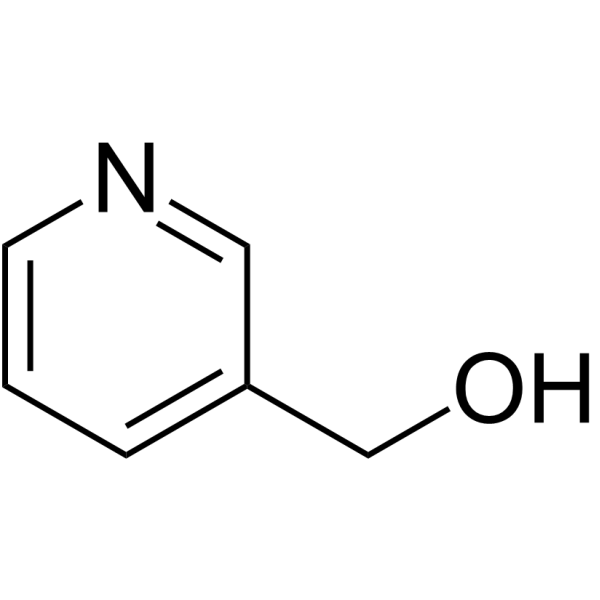 CAS#:100-55-0
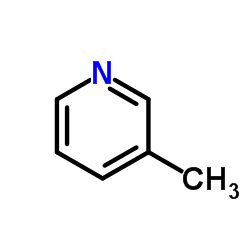 CAS#:108-99-6
 CAS#:2398-81-4
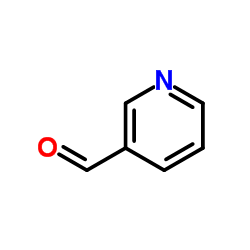 CAS#:500-22-1
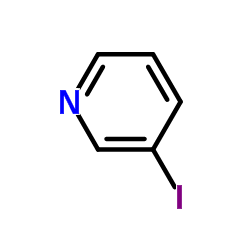 CAS#:1120-90-7
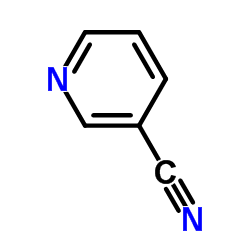 CAS#:100-54-9
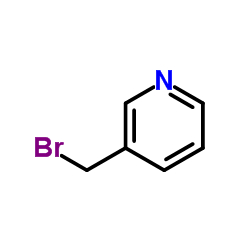 CAS#:69966-55-8
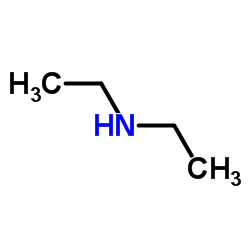 CAS#:109-89-7
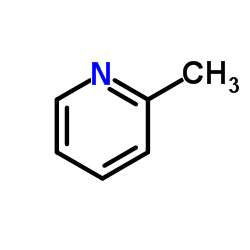 CAS#:109-06-8
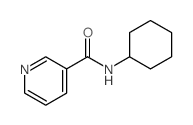 CAS#:10354-56-0
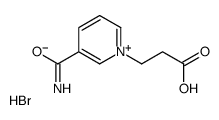 CAS#:109822-09-5
 CAS#:5006-66-6
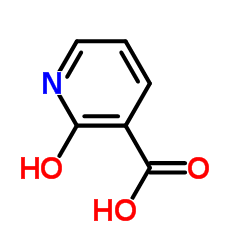 CAS#:609-71-2
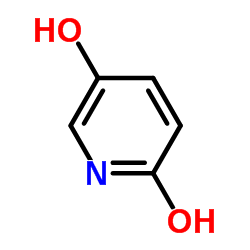 CAS#:5154-01-8
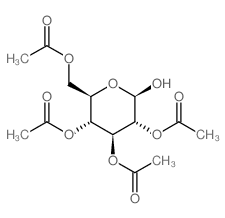 CAS#:3947-62-4
 CAS#:10030-92-9
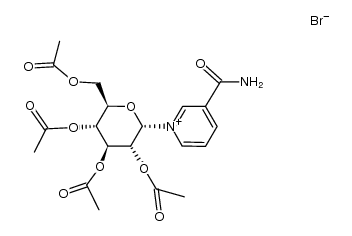 CAS#:60764-06-9
![[3,4,5-triacetyloxy-6-(5-carbamoylpyridin-1-yl)oxan-2-yl]methyl acetate structure](https://image.chemsrc.com/caspic/099/7151-92-0.png) CAS#:7151-92-0
CAS#:7151-92-0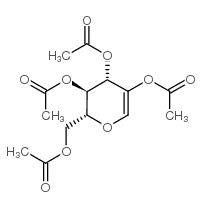 CAS#:3366-47-0
This table shows customs‑related data including HS‑code, tariff and regulatory conditions for import and export.
| HS Code | 2933399090 |
|---|---|
| Summary | 2933399090. other compounds containing an unfused pyridine ring (whether or not hydrogenated) in the structure. VAT:17.0%. Tax rebate rate:13.0%. . MFN tariff:6.5%. General tariff:20.0% |
This table lists relevant public references with title, journal and publication metadata for this compound.
|
1,25-dihydroxyvitamin D3 causes ADAM10-dependent ectodomain shedding of tumor necrosis factor receptor 1 in vascular smooth muscle cells.
Mol. Pharmacol. 87(3) , 533-42, (2015) 1,25-Dihydroxyvitamin D3 (1,25D3) has a potential antiatherosclerotic effect through anti-inflammatory actions. We investigated how 1,25D3 regulates tumor necrosis factor-α (TNF-α)-induced lectin-like... |
|
|
Evidence for fatty acids mediating CL 316,243-induced reductions in blood glucose in mice.
Am. J. Physiol. Endocrinol. Metab. 307(7) , E563-70, (2014) CL 316,243, a β3-adrenergic agonist, was developed as an antiobesity and diabetes drug and causes rapid decreases in blood glucose levels in mice. The mechanisms mediating this effect have not been fu... |
|
|
Protein enrichment of an Opuntia ficus-indica cladode hydrolysate by cultivation of Candida utilis and Kluyveromyces marxianus.
J. Sci. Food Agric. 95(5) , 1094-102, (2015) The cladodes of Opuntia ficus-indica (prickly pear cactus) have a low protein content; for use as a balanced feed, supplementation with other protein sources is therefore desirable. We investigated pr... |
This table collects all English aliases, systematic names and CAS‑related synonyms of the compound.
| 3-Pyridinecarboxylic acid |
| Vitamin B3 |
| 5-22-02-00057 (Beilstein Handbook Reference) |
| 3-Pyridylcarboxylic acid |
| MFCD00006391 |
| P. P. Factor |
| Pyridine-3-carboxylic acid |
| Pyridine-β-carboxylic acid |
| P.P. factor-pellagra preventive factor |
| T6NJ CVQ |
| Nicotinamide |
| EINECS 200-441-0 |
| antipellagra vitamin |
| nicotinic acid |
| Niacin |
This section contains frequently‑asked‑questions about this compound, including basic parameters, properties, storage conditions and corresponding answers.
| Q: What is the molecular formula of Nicotinic acid? |
| A: Molecular formula of Nicotinic acid is C6H5NO2. |
| Q: What is the English name of Nicotinic acid? |
| A: The English name of Nicotinic acid is Nicotinic acid. |
| Q: What is the InChIKey of Nicotinic acid? |
| A: InChIKey of Nicotinic acid is PVNIIMVLHYAWGP-UHFFFAOYSA-N. |
| Q: What are the storage conditions for Nicotinic acid? |
| A: Storage conditions for Nicotinic acid: 0-6°C. |
| Q: What is the safety information for Nicotinic acid? |
| A: Safety information for Nicotinic acid: S26-S36. |
| Q: What is the polar surface area (PSA) of Nicotinic acid? |
| A: Polar surface area (PSA) of Nicotinic acid is 55.98000. |
| Q: What is the melting point of Nicotinic acid? |
| A: Melting point of Nicotinic acid is 234-238 ºC. |
| Q: What are the downstream products of Nicotinic acid? |
| A: Related downstream products(CAS) of Nicotinic acid: 10354-56-0;109822-09-5;5006-66-6;609-71-2;5154-01-8;3947-62-4;10030-92-9;60764-06-9;7151-92-0;3366-47-0. |
| Q: What is the molecular weight of Nicotinic acid? |
| A: Molecular weight of Nicotinic acid is 123.11. |
| Q: How is the water solubility of Nicotinic acid? |
| A: Water solubility of Nicotinic acid: 1-5 g/100 mL at 17 ºC. |
This table lists manufacturers and suppliers of this compound, including vendor names and product supply reference information.
| Shanghai Nianxing Industrial Co., Ltd |
| BioBioPha |
| Dayang Chem (Hangzhou) Co., Ltd. |
| Henan Tianfu Chemical Co., Ltd. |