L-Tyrosine
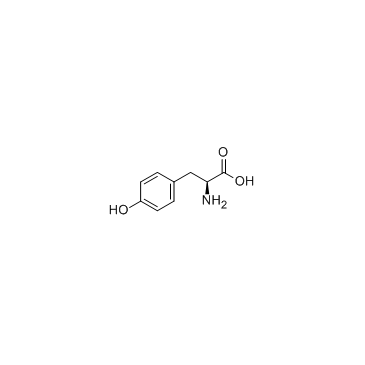
L-Tyrosine structure
|
Common Name | L-Tyrosine | ||
|---|---|---|---|---|
| CAS Number | 60-18-4 | Molecular Weight | 181.189 | |
| Density | 1.3±0.1 g/cm3 | Boiling Point | 385.2±32.0 °C at 760 mmHg | |
| Molecular Formula | C9H11NO3 | Melting Point | >300 °C (dec.)(lit.) | |
| MSDS | Chinese USA | Flash Point | 186.7±25.1 °C | |
| Symbol |

GHS07 |
Signal Word | Warning | |
Use of L-TyrosineL-Tyrosine is a non-essential amino acid which can inhibit citrate synthase activity in the posterior cortex. |
This table lists Chinese names, IUPAC names and various aliases of this chemical substance.
| Name | L-tyrosine |
|---|---|
| Synonym | More Synonyms |
This table contains bioactivity, target information and biological‑assay experimental data of this compound.
| Description | L-Tyrosine is a non-essential amino acid which can inhibit citrate synthase activity in the posterior cortex. |
|---|---|
| Related Catalog | |
| Target |
Human Endogenous Metabolite |
| In Vitro | Results show that L-Tyrosine in vitro inhibits citrate synthase activity in the posterior cortex (2.0 and 4.0 mM), malate dehydrogenase is not altered by L-Tyrosine and succinate dehydrogenase is increased in the posterior cortex (0.1, 1.0, 2.0 and 4.0 mM), hippocampus (1.0, 2.0 and 4.0 mM), striatum (4.0 mM) and liver (0.1, 1.0, 2.0 and 4.0 mM). When complex I activity is analyzed, inhibition is observed in hippocampus (4.0 mM). In addition to inhibition in the hippocampus, complex II also is inhibited in the posterior cortex (0.1, 1.0, 2.0 and 4.0 mM) and liver (1.0, 2.0 and 4.0 mM). For complex II–III, activity is not altered by L-Tyrosine, and complex IV activity has decreased in the posterior cortex (1.0, 2.0 and 4.0 mM) following treatment with L-Tyrosine[1]. |
| In Vivo | The acute administration of L-Tyrosine inhibits the activity of citrate synthase in the posterior cortex and liver; however, in the striatum, the activity is increased. The results also demonstrate that acute administration of L-Tyrosine inhibits malate dehydrogenase and complex II, II–III and IV of the mitochondrial respiratory chain activity in the posterior cortex and liver of rats. The succinate dehydrogenase enzyme and complex I activity are inhibited in the posterior cortex and increased in the striatum. Furthermore, energy metabolism in the hippocampus is not amended by an acute administration of L-Tyrosine[1]. |
| Kinase Assay | Posterior cortex, hippocampus, striatum and liver supernatants of 30-day-old rats are pre-incubated for 30 min at 30°C in the presence of L-Tyrosine (Tyr) at final concentrations ranging from 0.1, 1.0, 2.0 or 4.0 mM, and the activities of citrate synthase, malate dehydrogenase and respiratory chain complexes I, II, II–III and IV are evaluated[1]. |
| Animal Admin | The equivalent of 500 mg/kg body weight of free L-Tyrosine is intraperitoneally administered in 30-day-old rats. Controls receive in saline solution. About 1 h after injections, rats are killed by decapitation without anesthesia[1]. |
| References |
This table shows physicochemical parameters including melting point, boiling point, density, solubility and optical rotation. Missing data is marked as N/A.
| Density | 1.3±0.1 g/cm3 |
|---|---|
| Boiling Point | 385.2±32.0 °C at 760 mmHg |
| Melting Point | >300 °C (dec.)(lit.) |
| Molecular Formula | C9H11NO3 |
| Molecular Weight | 181.189 |
| Flash Point | 186.7±25.1 °C |
| Exact Mass | 181.073898 |
| PSA | 83.55000 |
| LogP | 0.38 |
| Vapour Pressure | 0.0±0.9 mmHg at 25°C |
| Index of Refraction | 1.614 |
| InChIKey | OUYCCCASQSFEME-QMMMGPOBSA-N |
| SMILES | NC(Cc1ccc(O)cc1)C(=O)O |
| Water Solubility | 0.45 g/L (25 ºC) |
This table provides MSDS information including hazard classification, first‑aid, fire‑fighting, spill handling, operation and storage instructions.
This table summarizes toxicological test data, acute & chronic toxicity and ecological hazard parameters for this chemical.
CHEMICAL IDENTIFICATION
HEALTH HAZARD DATAACUTE TOXICITY DATA
MUTATION DATA
|
This table covers safety warnings, protective measures, incompatible substances and disposal guidelines for this compound.
| Symbol |
GHS07 |
|---|---|
| Signal Word | Warning |
| Hazard Statements | H315-H319-H335 |
| Precautionary Statements | P261-P305 + P351 + P338 |
| Personal Protective Equipment | dust mask type N95 (US);Eyeshields;Gloves |
| Hazard Codes | Xi:Irritant |
| Risk Phrases | R36/37/38 |
| Safety Phrases | S26-S36 |
| RIDADR | NONH for all modes of transport |
| WGK Germany | 3 |
| RTECS | YP2275600 |
| HS Code | 29225000 |
This table presents publicly reported synthetic routes, reaction conditions, reactants and product information of the compound.
This table lists upstream starting materials and downstream derivative products related to this chemical.
| Precursor 5 | |
|---|---|
| DownStream 10 | |
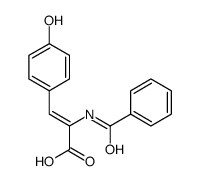 CAS#:64896-32-8
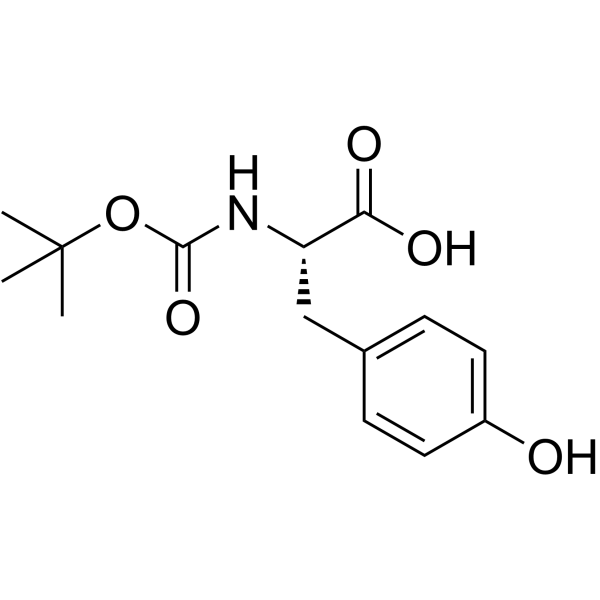 CAS#:3978-80-1
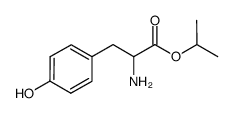 CAS#:81084-84-6
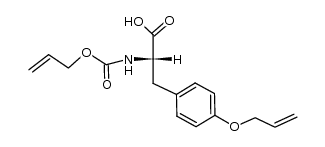 CAS#:104669-69-4
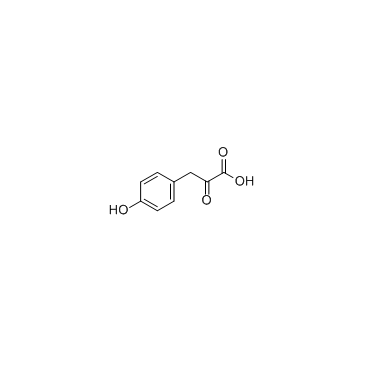 CAS#:156-39-8
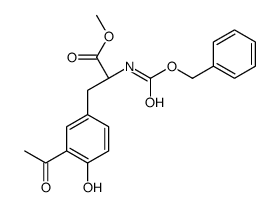 CAS#:110774-03-3
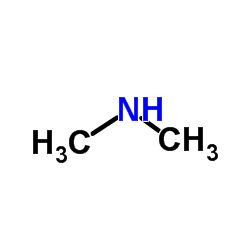 CAS#:124-40-3
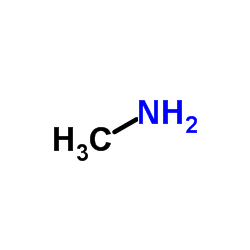 CAS#:74-89-5
 CAS#:75-50-3
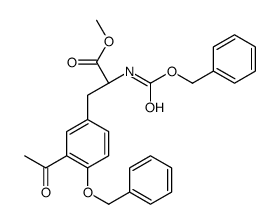 CAS#:105205-69-4
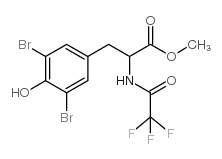 CAS#:105189-44-4
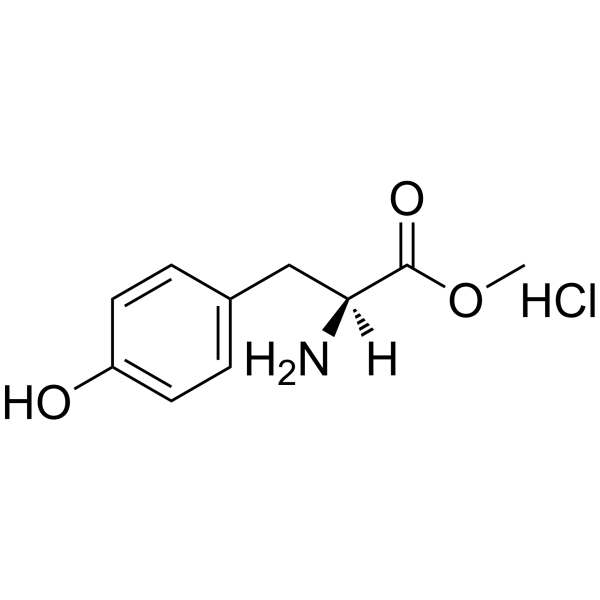 CAS#:3417-91-2
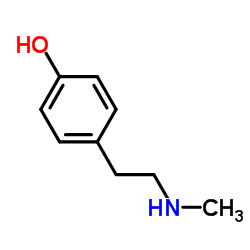 CAS#:370-98-9
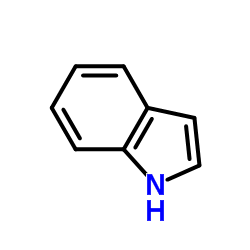 CAS#:120-72-9
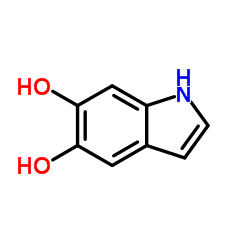 CAS#:3131-52-0
This table shows customs‑related data including HS‑code, tariff and regulatory conditions for import and export.
| HS Code | 2922509090 |
|---|---|
| Summary | 2922509090. other amino-alcohol-phenols, amino-acid-phenols and other amino-compounds with oxygen function. VAT:17.0%. Tax rebate rate:13.0%. . MFN tariff:6.5%. General tariff:30.0% |
This table lists relevant public references with title, journal and publication metadata for this compound.
|
Urinary metabolic fingerprinting of mice with diet-induced metabolic derangements by parallel dual secondary column-dual detection two-dimensional comprehensive gas chromatography.
J. Chromatogr. A. 1361 , 265-76, (2014) This study investigates the potential of a parallel dual secondary column-dual detection two-dimensional comprehensive GC platform (GC×2GC-MS/FID) for metabolic profiling and fingerprinting of mouse u... |
|
|
Sphingobium endophyticus sp. nov., isolated from the root of Hylomecon japonica.
Antonie van Leeuwenhoek 107(4) , 1001-8, (2015) A yellow-pigmented bacterium, designated strain GZGR-4(T), was isolated from the root of Hylomecon japonica (Thunb.) Prantl et Kündig collected from Taibai Mountain in Shaanxi Province, north-west Chi... |
|
|
Hydrogenophaga luteola sp. nov. isolated from reed pond water.
Antonie van Leeuwenhoek 108 , 695-701, (2015) A yellowish colored, Gram-staining negative, strictly aerobic, motile, rod-shaped bacterium, designated THG-SQE7(T), was isolated from reed pond water in Shangqiu, PR China. Comparative 16S rRNA gene ... |
This table collects all English aliases, systematic names and CAS‑related synonyms of the compound.
| L-tyrosine zwitterion |
| hydrogen L-tyrosinate |
| MEVINOLIN |
| LOVALIP |
| a-Amino-p-hydroxyhydrocinnamic Acid |
| LOVASTIN |
| MEVACOR |
| H-Tyr-OH |
| Tyrosine |
| MFCD00002606 |
| L-Tyr |
| Rovacor |
| Tyr |
| (S)-(-)-Tyrosine |
| Sivlor |
| L-Tyrosine |
| (S)-a-Amino-4-hydroxybenzenepropanoic acid |
| b-(p-Hydroxyphenyl)alanine |
| mevlor |
| Tyrosinum [Latin] |
| (S)-a-amino-4-hydroxy-Benzenepropanoic acid |
| (S)-tyrosine |
| (S)-α-amino-4-hydroxy-Benzenepropanoic acid |
| EINECS 200-460-4 |
| msd803 |
| Paschol |
This section contains frequently‑asked‑questions about this compound, including basic parameters, properties, storage conditions and corresponding answers.
| Q: What is the molecular formula of L-tyrosine? |
| A: Molecular formula of L-tyrosine is C9H11NO3. |
| Q: What English synonyms does L-tyrosine have? |
| A: English synonyms of L-tyrosine: L-tyrosine zwitterion, hydrogen L-tyrosinate, MEVINOLIN, LOVALIP, a-Amino-p-hydroxyhydrocinnamic Acid, LOVASTIN, MEVACOR, H-Tyr-OH, Tyrosine, MFCD00002606, L-Tyr, Rovacor, Tyr, (S)-(-)-Tyrosine, Sivlor, L-Tyrosine, (S)-a-Amino-4-hydroxybenzenepropanoic acid, b-(p-Hydroxyphenyl)alanine, mevlor, Tyrosinum [Latin], (S)-a-amino-4-hydroxy-Benzenepropanoic acid, (S)-tyrosine, (S)-α-amino-4-hydroxy-Benzenepropanoic acid, EINECS 200-460-4, msd803, Paschol. |
| Q: What are the downstream products of L-tyrosine? |
| A: Related downstream products(CAS) of L-tyrosine: 110774-03-3;124-40-3;74-89-5;75-50-3;105205-69-4;105189-44-4;3417-91-2;370-98-9;120-72-9;3131-52-0. |
| Q: What is the polar surface area (PSA) of L-tyrosine? |
| A: Polar surface area (PSA) of L-tyrosine is 83.55000. |
| Q: What is the boiling point of L-tyrosine? |
| A: Boiling point of L-tyrosine is 385.2±32.0 °C at 760 mmHg. |
| Q: How is the water solubility of L-tyrosine? |
| A: Water solubility of L-tyrosine: 0.45 g/L (25 ºC). |
| Q: What is the molecular weight of L-tyrosine? |
| A: Molecular weight of L-tyrosine is 181.189. |
| Q: What are the upstream materials of L-tyrosine? |
| A: Related upstream materials(CAS) of L-tyrosine: 64896-32-8;3978-80-1;81084-84-6;104669-69-4;156-39-8. |
| Q: What is the LogP of L-tyrosine? |
| A: LogP of L-tyrosine is 0.38. |
| Q: What is the SMILES notation of L-tyrosine? |
| A: SMILES notation of L-tyrosine is NC(Cc1ccc(O)cc1)C(=O)O. |
This table lists manufacturers and suppliers of this compound, including vendor names and product supply reference information.
| Shanghai Nianxing Industrial Co., Ltd |
| BioBioPha |
| Dayang Chem (Hangzhou) Co., Ltd. |
| Henan Tianfu Chemical Co., Ltd. |