4-Propylphenol

4-Propylphenol structure
|
Common Name | 4-Propylphenol | ||
|---|---|---|---|---|
| CAS Number | 645-56-7 | Molecular Weight | 136.191 | |
| Density | 1.0±0.1 g/cm3 | Boiling Point | 232.6±0.0 °C at 760 mmHg | |
| Molecular Formula | C9H12O | Melting Point | 22°C | |
| MSDS | Chinese USA | Flash Point | 106.1±0.0 °C | |
| Symbol |

GHS07 |
Signal Word | Warning | |
This table lists Chinese names, IUPAC names and various aliases of this chemical substance.
| Name | 4-Propylphenol |
|---|---|
| Synonym | More Synonyms |
This table shows physicochemical parameters including melting point, boiling point, density, solubility and optical rotation. Missing data is marked as N/A.
| Density | 1.0±0.1 g/cm3 |
|---|---|
| Boiling Point | 232.6±0.0 °C at 760 mmHg |
| Melting Point | 22°C |
| Molecular Formula | C9H12O |
| Molecular Weight | 136.191 |
| Flash Point | 106.1±0.0 °C |
| Exact Mass | 136.088821 |
| PSA | 20.23000 |
| LogP | 3.01 |
| Vapour Pressure | 0.0±0.4 mmHg at 25°C |
| Index of Refraction | 1.529 |
This table provides MSDS information including hazard classification, first‑aid, fire‑fighting, spill handling, operation and storage instructions.
This table summarizes toxicological test data, acute & chronic toxicity and ecological hazard parameters for this chemical.
CHEMICAL IDENTIFICATION
HEALTH HAZARD DATAACUTE TOXICITY DATA
|
This table covers safety warnings, protective measures, incompatible substances and disposal guidelines for this compound.
| Symbol |
GHS07 |
|---|---|
| Signal Word | Warning |
| Hazard Statements | H302-H312-H315-H319-H332-H335 |
| Precautionary Statements | P261-P280-P305 + P351 + P338 |
| Personal Protective Equipment | Eyeshields;Faceshields;full-face respirator (US);Gloves;multi-purpose combination respirator cartridge (US);type ABEK (EN14387) respirator filter |
| Hazard Codes | Xn:Harmful; |
| Risk Phrases | R20/21/22;R36/37/38 |
| Safety Phrases | S26-S28-S36/37/39-S45 |
| RIDADR | UN 3145 8/PG 3 |
| WGK Germany | 3 |
| RTECS | SM8610000 |
| Packaging Group | III |
| Hazard Class | 8 |
| HS Code | 29071900 |
This table presents publicly reported synthetic routes, reaction conditions, reactants and product information of the compound.
This table lists upstream starting materials and downstream derivative products related to this chemical.
| Precursor 9 | |
|---|---|
| DownStream 8 | |
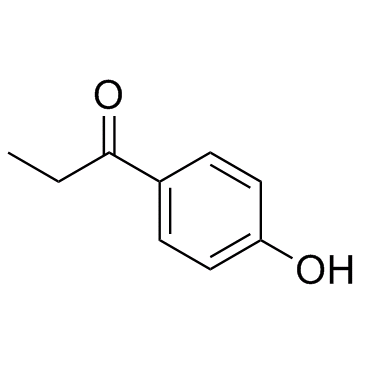 CAS#:70-70-2
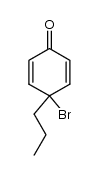 CAS#:102260-54-8
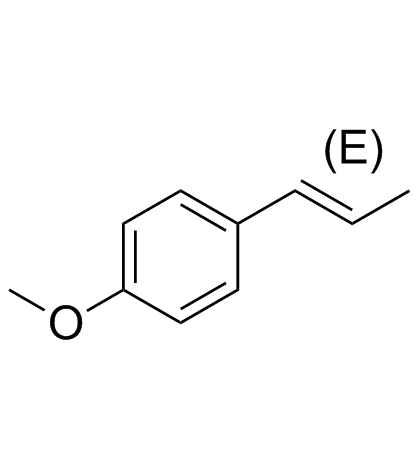 CAS#:4180-23-8
 CAS#:123-38-6
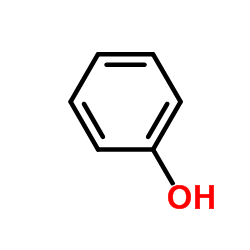 CAS#:108-95-2
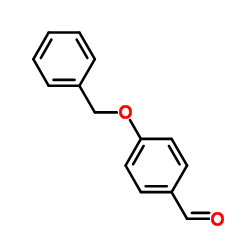 CAS#:4397-53-9
 CAS#:104-45-0
![4-[1-(4-hydroxyphenyl)propyl]phenol Structure](https://image.chemsrc.com/caspic/489/1576-13-2.png) CAS#:1576-13-2
CAS#:1576-13-2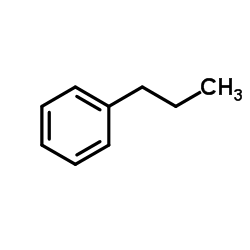 CAS#:103-65-1
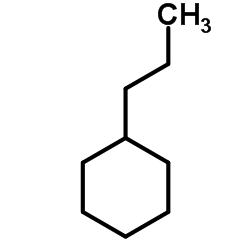 CAS#:1678-92-8
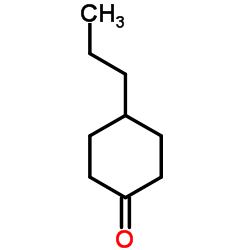 CAS#:40649-36-3
 CAS#:77866-58-1
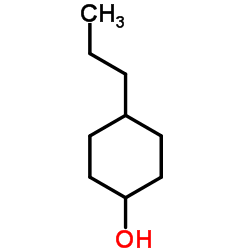 CAS#:52204-65-6
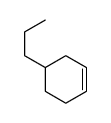 CAS#:13487-64-4
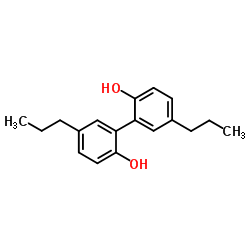 CAS#:20601-85-8
This table shows customs‑related data including HS‑code, tariff and regulatory conditions for import and export.
| HS Code | 2907199090 |
|---|---|
| Summary | 2907199090 other monophenols VAT:17.0% Tax rebate rate:9.0% Supervision conditions:none MFN tariff:5.5% General tariff:30.0% |
This table lists relevant public references with title, journal and publication metadata for this compound.
|
Convenient QSAR model for predicting the complexation of structurally diverse compounds with β-cyclodextrins
Bioorg. Med. Chem. 17 , 896-904, (2009) This paper reports a QSAR study for predicting the complexation of a large and heterogeneous variety of substances (233 organic compounds) with beta-cyclodextrins (beta-CDs). Several different theoret... |
|
|
A convenient screening method to differentiate phenolic skin whitening tyrosinase inhibitors from leukoderma-inducing phenols.
J. Dermatol. Sci. 80 , 18-24, (2015) Tyrosinase is able to oxidize a great number of phenols and catechols to form ortho-quinones. Ortho-quinones are highly reactive compounds that exert cytotoxicity through binding with thiol enzymes an... |
|
|
Cellular apoptosis and cytotoxicity of phenolic compounds: a quantitative structure-activity relationship study.
J. Med. Chem. 48 , 7234-42, (2005) In this comprehensive study on the caspase-mediated apoptosis-inducing effect of 51 substituted phenols in a murine leukemia cell line (L1210), we determined the concentrations needed to induce caspas... |
This table contains target information, in‑vitro & in‑vivo assay data for this compound.
This table collects all English aliases, systematic names and CAS‑related synonyms of the compound.
| UNII-H27VG833JY |
| Dihydrochavicol |
| p-n-Pr-C6H4-OH |
| p-propyl-pheno |
| EINECS 211-446-2 |
| Phenol,p-propyl |
| MFCD00002395 |
| 3PO |
| 4-propyl-pheno |
| 4-Propylbenzolol |
| Phenol,4-propyl |
| 1-Hydroxy-4-n-propylbenzene |
| p-n-propylphenol |
| Phenol, p-propyl-, |
| FEMA 3649 |
| p-Propylphenol |
| 4-n-propylphenol |
| 3-(4-Hydroxyphenyl)-1-propane |
| 4-Propylphenol |
This section contains frequently‑asked‑questions about this compound, including basic parameters, properties, storage conditions and corresponding answers.
| Q: What are the downstream products of 4-Propylphenol? |
| A: Related downstream products(CAS) of 4-Propylphenol: 1678-92-8;40649-36-3;77866-58-1;52204-65-6;104-45-0;103-65-1;13487-64-4;20601-85-8. |
| Q: What is the molecular weight of 4-Propylphenol? |
| A: Molecular weight of 4-Propylphenol is 136.191. |
| Q: What is the boiling point of 4-Propylphenol? |
| A: Boiling point of 4-Propylphenol is 232.6±0.0 °C at 760 mmHg. |
| Q: What is the polar surface area (PSA) of 4-Propylphenol? |
| A: Polar surface area (PSA) of 4-Propylphenol is 20.23000. |
| Q: What is the molecular formula of 4-Propylphenol? |
| A: Molecular formula of 4-Propylphenol is C9H12O. |
| Q: What is the English name of 4-Propylphenol? |
| A: The English name of 4-Propylphenol is 4-Propylphenol. |
| Q: What is the CAS number of 4-Propylphenol? |
| A: CAS number of 4-Propylphenol is 645-56-7. |
| Q: What are the upstream materials of 4-Propylphenol? |
| A: Related upstream materials(CAS) of 4-Propylphenol: 70-70-2;102260-54-8;4180-23-8;123-38-6;108-95-2;4397-53-9;104-45-0;1576-13-2;103-65-1. |
| Q: What is the melting point of 4-Propylphenol? |
| A: Melting point of 4-Propylphenol is 22°C. |
| Q: What is the LogP of 4-Propylphenol? |
| A: LogP of 4-Propylphenol is 3.01. |
This table lists manufacturers and suppliers of this compound, including vendor names and product supply reference information.
| Shanghai Nianxing Industrial Co., Ltd |
| Dayang Chem (Hangzhou) Co., Ltd. |