Selenium dioxide

Selenium dioxide structure
|
Common Name | Selenium dioxide | ||
|---|---|---|---|---|
| CAS Number | 7446-08-4 | Molecular Weight | 110.959 | |
| Density | 3.95 | Boiling Point | 684.9ºC(lit.) | |
| Molecular Formula | O2Se | Melting Point | 315ºC | |
| MSDS | Chinese USA | Flash Point | 315ºC | |
| Symbol |


GHS06, GHS08, GHS09 |
Signal Word | Danger | |
Summary: Selenium(IV) oxide, also known as selenium dioxide, has CAS number 7446-08-4, with molecular formula O2Se and molecular weight 110.959. It appears as a pale pink solid, with a melting point of 315℃ and boiling point of 684.9℃. It is used for preparing high-purity selenium and other selenium compounds, as an oxidant and catalyst in organic synthesis of drugs. For research-use only, not for medical or clinical usage.
This table lists Chinese names, IUPAC names and various aliases of this chemical substance.
| Name | Selenium(IV) oxide |
|---|---|
| Synonym | More Synonyms |
This table shows physicochemical parameters including melting point, boiling point, density, solubility and optical rotation. Missing data is marked as N/A.
| Density | 3.95 |
|---|---|
| Boiling Point | 684.9ºC(lit.) |
| Melting Point | 315ºC |
| Molecular Formula | O2Se |
| Molecular Weight | 110.959 |
| Flash Point | 315ºC |
| Exact Mass | 111.906349 |
| PSA | 34.14000 |
| Vapour Pressure | 1 mm Hg ( 157 °C) |
| InChIKey | JPJALAQPGMAKDF-UHFFFAOYSA-N |
| SMILES | O=[Se]=O |
| Water Solubility | H2O: soluble | 38.4 g/100 mL (14 ºC) |
This table provides MSDS information including hazard classification, first‑aid, fire‑fighting, spill handling, operation and storage instructions.
This table summarizes toxicological test data, acute & chronic toxicity and ecological hazard parameters for this chemical.
CHEMICAL IDENTIFICATION
HEALTH HAZARD DATAACUTE TOXICITY DATA
MUTATION DATA
|
This table covers safety warnings, protective measures, incompatible substances and disposal guidelines for this compound.
| Symbol |
GHS06, GHS08, GHS09 |
|---|---|
| Signal Word | Danger |
| Hazard Statements | H301 + H331-H373-H410 |
| Precautionary Statements | P261-P273-P301 + P310-P311-P501 |
| Personal Protective Equipment | Eyeshields;Faceshields;Gloves;type P2 (EN 143) respirator cartridges |
| Hazard Codes | T:Toxic;N:Dangerousfortheenvironment; |
| Risk Phrases | R23/25;R33;R50/53 |
| Safety Phrases | S20/21-S28-S45-S60-S61 |
| RIDADR | UN 2811/3283 |
| WGK Germany | 2 |
| RTECS | VS8575000 |
| Packaging Group | II |
| Hazard Class | 6.1 |
| HS Code | 2811290090 |
This table presents publicly reported synthetic routes, reaction conditions, reactants and product information of the compound.
This table lists upstream starting materials and downstream derivative products related to this chemical.
| Precursor 10 | |
|---|---|
| DownStream 10 | |
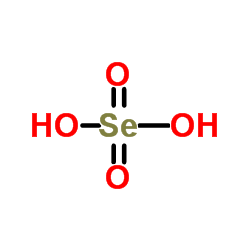 CAS#:7783-08-6
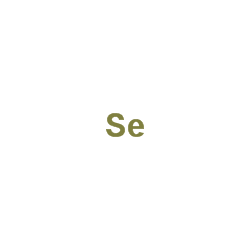 CAS#:7782-49-2
 CAS#:10028-15-6
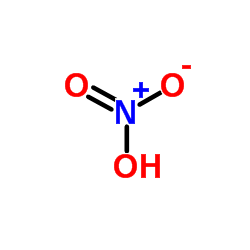 CAS#:7697-37-2
 CAS#:7789-51-7
 CAS#:10025-68-0
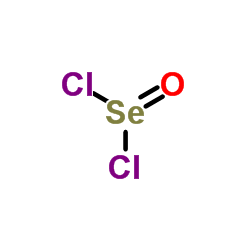 CAS#:7791-23-3
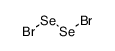 CAS#:1015938-55-2
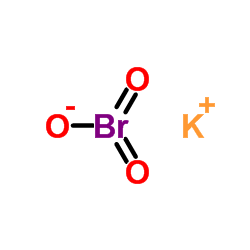 CAS#:7758-01-2
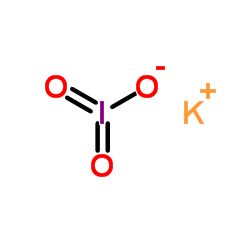 CAS#:7758-05-6
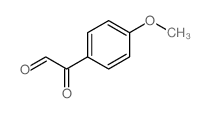 CAS#:1076-95-5
 CAS#:1123-91-7
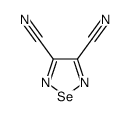 CAS#:106013-47-2
 CAS#:490-83-5
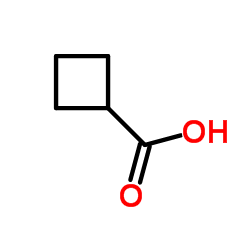 CAS#:3721-95-7
 CAS#:485-47-2
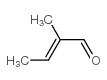 CAS#:497-03-0
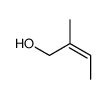 CAS#:497-02-9
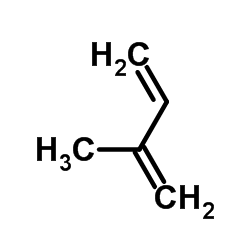 CAS#:78-79-5
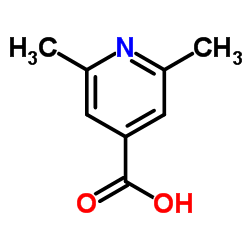 CAS#:54221-93-1
This table shows customs‑related data including HS‑code, tariff and regulatory conditions for import and export.
| HS Code | 2811290090 |
|---|
This table lists relevant public references with title, journal and publication metadata for this compound.
|
A Novel Europium Chelate Coated Nanosphere for Time-Resolved Fluorescence Immunoassay.
PLoS ONE 10 , e0129689, (2015) A novel europium ligand 2,2',2'',2'''-(4,7-diphenyl-1,10-phenanthroline-2,9-diyl) bis (methylene) bis (azanetriyl) tetra acetic acid (BC-EDTA) was synthesized and characterized. It shows an emission s... |
|
|
Development of an accurate and high-throughput methodology for structural comprehension of chlorophylls derivatives. (I) Phytylated derivatives.
J. Chromatogr. A. 1406 , 99-108, (2015) Phytylated chlorophyll derivatives undergo specific oxidative reactions through the natural metabolism or during food processing or storage, and consequently pyro-, 13(2)-hydroxy-, 15(1)-hydroxy-lacto... |
|
|
The inhibitory effect of selenium nanoparticles on protein glycation in vitro.
Nanotechnology 26(14) , 145703, (2015) Selenium nanoparticles (Se NPs) possess well-known excellent biological activities and low toxicity, and have been employed for numerous applications except as inhibitors to protein glycation. Herein,... |
This table collects all English aliases, systematic names and CAS‑related synonyms of the compound.
| Selenium dioxide |
| Selane, oxo-, oxide |
| Oxoselane oxide |
| EINECS 231-957-4 |
| MFCD00134090 |
This section contains frequently‑asked‑questions about this compound, including basic parameters, properties, storage conditions and corresponding answers.
| Q: What is the safety information for Selenium(IV) oxide? |
| A: Safety information for Selenium(IV) oxide: S20/21-S28-S45-S60-S61. |
| Q: What is the InChIKey of Selenium(IV) oxide? |
| A: InChIKey of Selenium(IV) oxide is JPJALAQPGMAKDF-UHFFFAOYSA-N. |
| Q: What is the melting point of Selenium(IV) oxide? |
| A: Melting point of Selenium(IV) oxide is 315ºC. |
| Q: What is the SMILES notation of Selenium(IV) oxide? |
| A: SMILES notation of Selenium(IV) oxide is O=[Se]=O. |
| Q: What is the polar surface area (PSA) of Selenium(IV) oxide? |
| A: Polar surface area (PSA) of Selenium(IV) oxide is 34.14000. |
| Q: How is the water solubility of Selenium(IV) oxide? |
| A: Water solubility of Selenium(IV) oxide: H2O: soluble | 38.4 g/100 mL (14 ºC). |
| Q: What are the downstream products of Selenium(IV) oxide? |
| A: Related downstream products(CAS) of Selenium(IV) oxide: 1076-95-5;1123-91-7;106013-47-2;490-83-5;3721-95-7;485-47-2;497-03-0;497-02-9;78-79-5;54221-93-1. |
| Q: What are the upstream materials of Selenium(IV) oxide? |
| A: Related upstream materials(CAS) of Selenium(IV) oxide: 7783-08-6;7782-49-2;10028-15-6;7697-37-2;7789-51-7;10025-68-0;7791-23-3;1015938-55-2;7758-01-2;7758-05-6. |
| Q: What is the CAS number of Selenium(IV) oxide? |
| A: CAS number of Selenium(IV) oxide is 7446-08-4. |
| Q: What is the molecular formula of Selenium(IV) oxide? |
| A: Molecular formula of Selenium(IV) oxide is O2Se. |
This table lists manufacturers and suppliers of this compound, including vendor names and product supply reference information.
| Dayang Chem (Hangzhou) Co., Ltd. |
| Henan Tianfu Chemical Co., Ltd. |