Ninhydrin

Ninhydrin structure
|
Common Name | Ninhydrin | ||
|---|---|---|---|---|
| CAS Number | 485-47-2 | Molecular Weight | 178.141 | |
| Density | 1.7±0.1 g/cm3 | Boiling Point | 449.3±45.0 °C at 760 mmHg | |
| Molecular Formula | C9H6O4 | Melting Point | 250 °C (dec.)(lit.) | |
| MSDS | Chinese USA | Flash Point | 239.7±25.2 °C | |
| Symbol |

GHS07 |
Signal Word | Warning | |
Use of NinhydrinNinhydrin can be used as a chromogenic analytical probe for the quantification of amino acids and proteins. |
This table lists Chinese names, IUPAC names and various aliases of this chemical substance.
| Name | ninhydrin |
|---|---|
| Synonym | More Synonyms |
This table contains bioactivity, target information and biological‑assay experimental data of this compound.
| Description | Ninhydrin can be used as a chromogenic analytical probe for the quantification of amino acids and proteins. |
|---|---|
| Related Catalog | |
| Target |
IC50: chromogenic analytical probe[1] |
| In Vitro | Ninhydrin is used in amino acid analysis of proteins. Except proline, Most amino acids can be hydrolyzed and react with ninhydrin. The amino acids are then quantified colorimetrically after separation by chromatography. Ninhydrin reacts with primary and secondary amines producing a blue or purple reaction product: diketohydrindylidene-diketohydrindamine. |
| References |
This table shows physicochemical parameters including melting point, boiling point, density, solubility and optical rotation. Missing data is marked as N/A.
| Density | 1.7±0.1 g/cm3 |
|---|---|
| Boiling Point | 449.3±45.0 °C at 760 mmHg |
| Melting Point | 250 °C (dec.)(lit.) |
| Molecular Formula | C9H6O4 |
| Molecular Weight | 178.141 |
| Flash Point | 239.7±25.2 °C |
| Exact Mass | 178.026611 |
| PSA | 74.60000 |
| LogP | 1.07 |
| Vapour Pressure | 0.0±1.2 mmHg at 25°C |
| Index of Refraction | 1.737 |
| InChIKey | FEMOMIGRRWSMCU-UHFFFAOYSA-N |
| SMILES | O=C1c2ccccc2C(=O)C1(O)O |
| Storage condition | Store at RT. |
| Stability | Stable. Incompatible with amines, alkalies, strong bases. Light-sensitive. |
| Water Solubility | 0.1-0.5 g/100 mL at 20 ºC |
This table provides MSDS information including hazard classification, first‑aid, fire‑fighting, spill handling, operation and storage instructions.
This table summarizes toxicological test data, acute & chronic toxicity and ecological hazard parameters for this chemical.
CHEMICAL IDENTIFICATION
HEALTH HAZARD DATAACUTE TOXICITY DATA
|
This table covers safety warnings, protective measures, incompatible substances and disposal guidelines for this compound.
| Symbol |
GHS07 |
|---|---|
| Signal Word | Warning |
| Hazard Statements | H302-H315-H319-H335 |
| Precautionary Statements | P261-P305 + P351 + P338 |
| Personal Protective Equipment | dust mask type N95 (US);Eyeshields;Gloves |
| Hazard Codes | Xn:Harmful |
| Risk Phrases | R22;R36/37/38 |
| Safety Phrases | S26-S28A-S45-S16 |
| RIDADR | UN 1170 3/PG 2 |
| WGK Germany | 3 |
| RTECS | NK5425000 |
| Hazard Class | 3.0 |
| HS Code | 2915900090 |
This table presents publicly reported synthetic routes, reaction conditions, reactants and product information of the compound.
This table lists upstream starting materials and downstream derivative products related to this chemical.
| Precursor 10 | |
|---|---|
| DownStream 8 | |
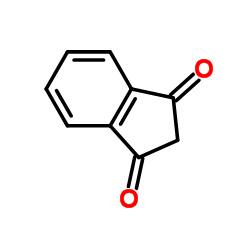 CAS#:606-23-5
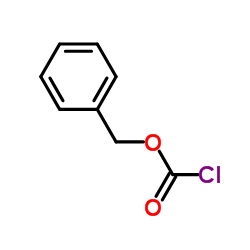 CAS#:501-53-1
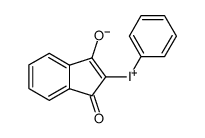 CAS#:1283-97-2
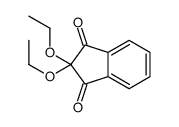 CAS#:20847-51-2
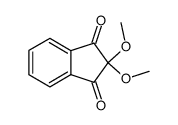 CAS#:65299-21-0
 CAS#:1260-17-9
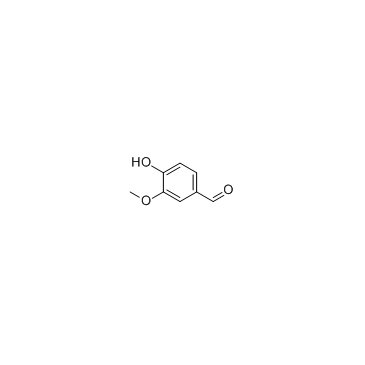 CAS#:121-33-5
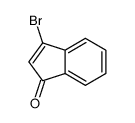 CAS#:90271-93-5
![2-[2-[(E)-2-[4-(dimethylamino)phenyl]ethenyl]-6-methylpyran-4-ylidene]propanedinitrile Structure](https://image.chemsrc.com/caspic/139/96042-30-7.png) CAS#:96042-30-7
CAS#:96042-30-7 CAS#:83-33-0
![N-[2-(hydroxyamino)-3-nitrosoinden-1-ylidene]hydroxylamine structure](https://image.chemsrc.com/caspic/261/112359-95-2.png) CAS#:112359-95-2
CAS#:112359-95-2 CAS#:4122-57-0
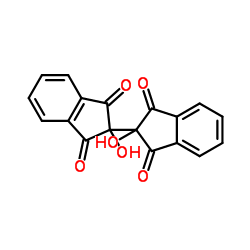 CAS#:5103-42-4
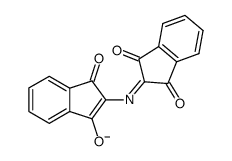 CAS#:412008-97-0
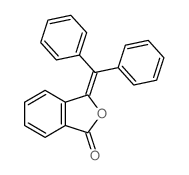 CAS#:1801-25-8
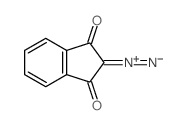 CAS#:1807-49-4
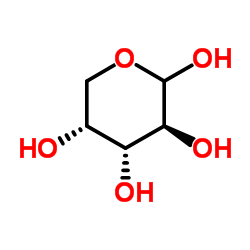 CAS#:10323-20-3
 CAS#:141-82-2
This table shows customs‑related data including HS‑code, tariff and regulatory conditions for import and export.
| HS Code | 2915900090 |
|---|---|
| Summary | 2915900090 other saturated acyclic monocarboxylic acids and their anhydrides, halides, peroxides and peroxyacids; their halogenated, sulphonated, nitrated or nitrosated derivatives VAT:17.0% Tax rebate rate:9.0% Supervision conditions:AB(certificate of inspection for goods inward,certificate of inspection for goods outward) MFN tariff:5.5% General tariff:30.0% |
This table lists relevant public references with title, journal and publication metadata for this compound.
|
Combined effects of nutrients and temperature on the production of fermentative aromas by Saccharomyces cerevisiae during wine fermentation.
Appl. Microbiol. Biotechnol. 99(5) , 2291-304, (2015) Volatile compounds produced by yeast during fermentation greatly influence the organoleptic qualities of wine. We developed a model to predict the combined effects of initial nitrogen and phytosterol ... |
|
|
Silica-based nanofibers for electrospun ultra-thin layer chromatography.
J. Chromatogr. A. 1364 , 261-70, (2014) Nanofibrous silica-based stationary phases for electrospun ultra-thin layer chromatography (E-UTLC) are described. Nanofibers were produced by electrospinning a solution of silica nanoparticles disper... |
|
|
Development of Man-rGO for Targeted Eradication of Macrophage Ablation.
Mol. Pharm. 12 , 3226-36, (2015) This study was aimed to develop and evaluate a smart nanosystem that targeted photothermal ablation of inflammatory macrophages in atherosclerotic plaque. Mannosylated-reduced graphene oxide (Man-rGO)... |
This table contains target information, in‑vitro & in‑vivo assay data for this compound.
This table collects all English aliases, systematic names and CAS‑related synonyms of the compound.
| 2,2-Dihydroxy-1H-indene-1,3(2H)-dione |
| Triketohydrinden Hydrate |
| Ninhydrin |
| 2,2-Dihydroxy-1,3-indanedione |
| Ninhydrin,spectrophotometric grade |
| MFCD00003791 |
| Ninhydrin Spray |
| Ningidrin |
| indane-1,2,3-trione monohydrate |
| NyNhydriN |
| NinhydrinGr |
| 1,2,3-Indanetrione monohydrate |
| Trioxohydrindene monohydrate |
| Ninhydrin,ozone friendly ready to use spray |
| 1H-Indene-1,2,3-trione hydrate |
| Ninhydrin (contains Acetic Acid) Ethanol |
| 1,2,3-Indantrione, 2-hydrate |
| EINECS 207-618-1 |
| NINHYDRINE |
| 1,2,3-triketohydrindene hydrate |
| 2,2-dihydroxy-2H-indene-1,3-dione |
| Ninhydrin hydrate |
| NinhydrinA.R. |
| NIN |
| Ninthydrin |
| 1,2,3-Indantrione monohydrate |
| 1,2,3-Indantrione monohydrate,2,2-Dihydroxy-1,3-indanedione,Trioxohydrindene monohydrate |
This section contains frequently‑asked‑questions about this compound, including basic parameters, properties, storage conditions and corresponding answers.
| Q: What are the downstream products of ninhydrin? |
| A: Related downstream products(CAS) of ninhydrin: 112359-95-2;4122-57-0;5103-42-4;412008-97-0;1801-25-8;1807-49-4;10323-20-3;141-82-2. |
| Q: What is the SMILES notation of ninhydrin? |
| A: SMILES notation of ninhydrin is O=C1c2ccccc2C(=O)C1(O)O. |
| Q: How is the water solubility of ninhydrin? |
| A: Water solubility of ninhydrin: 0.1-0.5 g/100 mL at 20 ºC. |
| Q: What is the InChIKey of ninhydrin? |
| A: InChIKey of ninhydrin is FEMOMIGRRWSMCU-UHFFFAOYSA-N. |
| Q: What are the storage conditions for ninhydrin? |
| A: Storage conditions for ninhydrin: Store at RT. |
| Q: What are the upstream materials of ninhydrin? |
| A: Related upstream materials(CAS) of ninhydrin: 606-23-5;501-53-1;1283-97-2;20847-51-2;65299-21-0;1260-17-9;121-33-5;90271-93-5;96042-30-7;83-33-0. |
| Q: What is the LogP of ninhydrin? |
| A: LogP of ninhydrin is 1.07. |
| Q: What is the melting point of ninhydrin? |
| A: Melting point of ninhydrin is 250 °C (dec.)(lit.). |
| Q: What is the English name of ninhydrin? |
| A: The English name of ninhydrin is ninhydrin. |
| Q: What is the CAS number of ninhydrin? |
| A: CAS number of ninhydrin is 485-47-2. |
This table lists manufacturers and suppliers of this compound, including vendor names and product supply reference information.
| Shanghai Nianxing Industrial Co., Ltd |
| Dayang Chem (Hangzhou) Co., Ltd. |
| Henan Tianfu Chemical Co., Ltd. |