Ursolic Acid
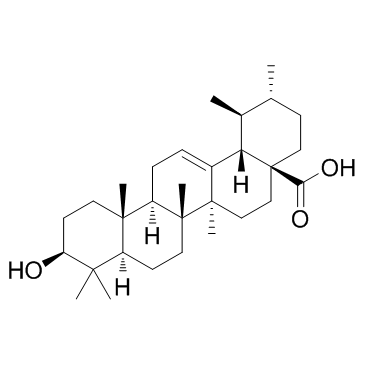
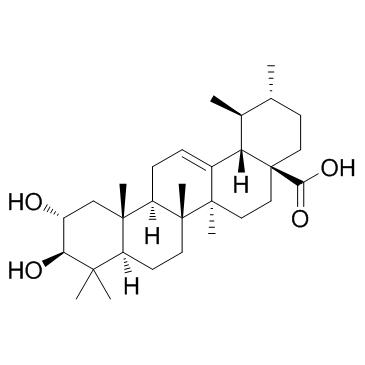
Ursolic Acid structure
|
Common Name | Ursolic Acid | ||
|---|---|---|---|---|
| CAS Number | 77-52-1 | Molecular Weight | 456.700 | |
| Density | 1.1±0.1 g/cm3 | Boiling Point | 556.9±50.0 °C at 760 mmHg | |
| Molecular Formula | C30H48O3 | Melting Point | 292 °C (dec.)(lit.) | |
| MSDS | Chinese USA | Flash Point | 304.7±26.6 °C | |
Use of Ursolic AcidUrsolic acid(Bungeolic acid) is a natural pentacyclic triterpenoid carboxylic acid, exerts anti-tumor effects and is an effective compound for cancer prevention and therapy. IC50 value:Target:in vitro: UA induced phosphorylation of AMP-activated protein kinase alpha (AMPKα) and suppressed the protein expression of DNA methyltransferase 1 (DNMT1) in the dose-dependent manner [1]. The combination of ursolic acid (0.5 μM) and leucine (10 μM) proved to be the most effective in promoting myogenic differentiation. The combination of ursolic acid and leucine significantly increased CK activity than treatment with either agent alone. The level of myosin heavy chain, a myogenic differentiation marker protein, was also enhanced by the combination of ursolic acid and leucine [2]. Ursolic acid efficiently induced apoptosis, possibly via the downregulation of B-cell lymphoma 2 (Bcl-2), the upregulation of Bcl-2-associated X protein and the proteolytic activation of caspase-3. Furthermore, the activation of p38 mitogen-activated protein kinase and c-Jun N-terminal kinase was increased by the administration of ursolic acid. In addition, ursolic acid significantly suppressed the invasive phenotype of the SNU-484 cells and significantly decreased the expression of matrix metalloproteinase (MMP)-2 [3]. ursolic acid (UA) potently induces the apoptosis of gastric cancer SGC-7901 cells. Further mechanistic studies revealed that the ROCK1/PTEN signaling pathway plays a critical role in UA-mediated mitochondrial translocation of cofilin-1 and apoptosis [4].in vivo: UA treatment markedly improved the survival of septic rats, and attenuated CLP-induced lung injury, including reduction of lung wet/dry weight ratio, infiltration of leukocytes and proteins, myeloperoxidase activity, and malondialdehyde content. In addition, UA significantly decreased the serum levels of tumor necrosis factor-α, interleukin-6, and interleukin-1β, inhibited the expression of inducible nitric oxide synthase and cyclooxygenase-2 in the lung, which are involved in the productions of nitric oxide and prostaglandin E2 [5]. |
This table lists Chinese names, IUPAC names and various aliases of this chemical substance.
| Name | ursolic acid |
|---|---|
| Synonym | More Synonyms |
This table contains bioactivity, target information and biological‑assay experimental data of this compound.
| Description | Ursolic acid(Bungeolic acid) is a natural pentacyclic triterpenoid carboxylic acid, exerts anti-tumor effects and is an effective compound for cancer prevention and therapy. IC50 value:Target:in vitro: UA induced phosphorylation of AMP-activated protein kinase alpha (AMPKα) and suppressed the protein expression of DNA methyltransferase 1 (DNMT1) in the dose-dependent manner [1]. The combination of ursolic acid (0.5 μM) and leucine (10 μM) proved to be the most effective in promoting myogenic differentiation. The combination of ursolic acid and leucine significantly increased CK activity than treatment with either agent alone. The level of myosin heavy chain, a myogenic differentiation marker protein, was also enhanced by the combination of ursolic acid and leucine [2]. Ursolic acid efficiently induced apoptosis, possibly via the downregulation of B-cell lymphoma 2 (Bcl-2), the upregulation of Bcl-2-associated X protein and the proteolytic activation of caspase-3. Furthermore, the activation of p38 mitogen-activated protein kinase and c-Jun N-terminal kinase was increased by the administration of ursolic acid. In addition, ursolic acid significantly suppressed the invasive phenotype of the SNU-484 cells and significantly decreased the expression of matrix metalloproteinase (MMP)-2 [3]. ursolic acid (UA) potently induces the apoptosis of gastric cancer SGC-7901 cells. Further mechanistic studies revealed that the ROCK1/PTEN signaling pathway plays a critical role in UA-mediated mitochondrial translocation of cofilin-1 and apoptosis [4].in vivo: UA treatment markedly improved the survival of septic rats, and attenuated CLP-induced lung injury, including reduction of lung wet/dry weight ratio, infiltration of leukocytes and proteins, myeloperoxidase activity, and malondialdehyde content. In addition, UA significantly decreased the serum levels of tumor necrosis factor-α, interleukin-6, and interleukin-1β, inhibited the expression of inducible nitric oxide synthase and cyclooxygenase-2 in the lung, which are involved in the productions of nitric oxide and prostaglandin E2 [5]. |
|---|---|
| Related Catalog | |
| References |
This table shows physicochemical parameters including melting point, boiling point, density, solubility and optical rotation. Missing data is marked as N/A.
| Density | 1.1±0.1 g/cm3 |
|---|---|
| Boiling Point | 556.9±50.0 °C at 760 mmHg |
| Melting Point | 292 °C (dec.)(lit.) |
| Molecular Formula | C30H48O3 |
| Molecular Weight | 456.700 |
| Flash Point | 304.7±26.6 °C |
| Exact Mass | 456.360352 |
| PSA | 57.53000 |
| LogP | 9.01 |
| Vapour Pressure | 0.0±3.4 mmHg at 25°C |
| Index of Refraction | 1.555 |
| InChIKey | WCGUUGGRBIKTOS-GPOJBZKASA-N |
| SMILES | CC1CCC2(C(=O)O)CCC3(C)C(=CCC4C5(C)CCC(O)C(C)(C)C5CCC43C)C2C1C |
| Storage condition | 2~8°C |
| Water Solubility | insoluble |
This table provides MSDS information including hazard classification, first‑aid, fire‑fighting, spill handling, operation and storage instructions.
This table covers safety warnings, protective measures, incompatible substances and disposal guidelines for this compound.
| Hazard Statements | H413 |
|---|---|
| Personal Protective Equipment | Eyeshields;Gloves;type N95 (US);type P1 (EN143) respirator filter |
| Hazard Codes | Xi |
| Risk Phrases | R36/37/38 |
| Safety Phrases | S24/25 |
| RIDADR | NONH for all modes of transport |
| WGK Germany | - |
| RTECS | YU9520000 |
| HS Code | 2942000000 |
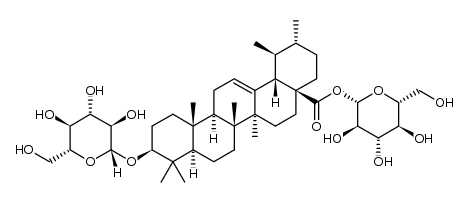
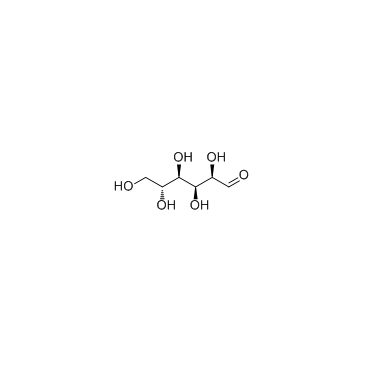
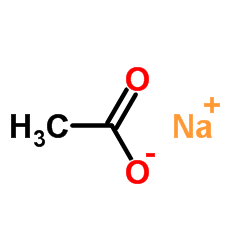
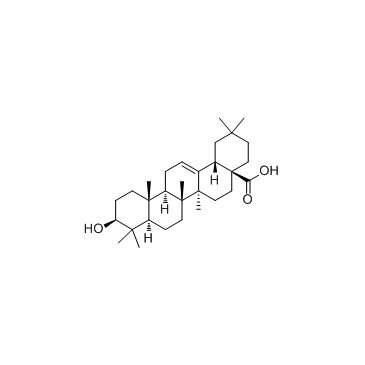
This table presents publicly reported synthetic routes, reaction conditions, reactants and product information of the compound.
|
~75%
Ursolic Acid CAS#:77-52-1 |
| Literature: Yan, Shiqiang; Ding, Ning; Zhang, Wei; Wang, Peng; Li, Yingxia; Li, Ming Carbohydrate Research, 2012 , vol. 354, p. 6 - 20 |
|
~71%
Ursolic Acid CAS#:77-52-1 |
| Literature: Sengupta, Pasupati; Sen, Manju; Das, Saktipada Indian Journal of Chemistry, Section B: Organic Chemistry Including Medicinal Chemistry, 1980 , vol. 19, # 8 p. 721 - 722 |
|
~%
Ursolic Acid CAS#:77-52-1 |
| Literature: Synthetic Communications, , vol. 43, # 1 p. 26 - 33 |
|
~1%
Ursolic Acid CAS#:77-52-1 |
| Literature: Meksuriyen, Duangdeun; Nanayakkara, N. P. Dhammika; Phoebe, Charles H.; Cordell, Geoffrey A. Phytochemistry (Elsevier), 1986 , vol. 25, # 7 p. 1685 - 1690 |
|
~%
Ursolic Acid CAS#:77-52-1 |
| Literature: Egyptian Journal of Chemistry, , vol. 54, # 1 p. 99 - 113 |
|
~%
Ursolic Acid CAS#:77-52-1
Learn More
|
| Literature: Journal of the Chemical Society, Chemical Communications, , # 14 p. 1141 - 1143 |

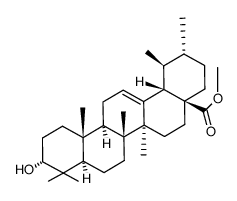
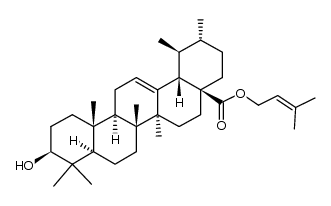
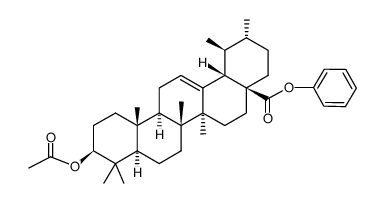
This table lists upstream starting materials and downstream derivative products related to this chemical.
| Precursor 3 | |
|---|---|
| DownStream 9 | |
 CAS#:4547-24-4
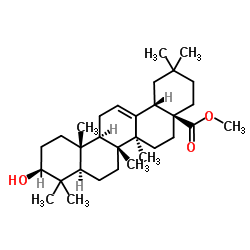 CAS#:1724-17-0
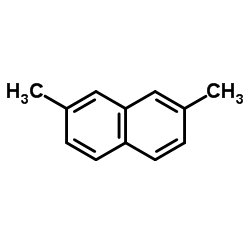 CAS#:582-16-1
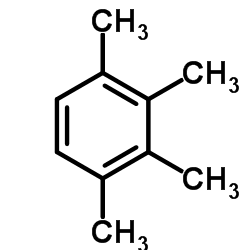 CAS#:488-23-3
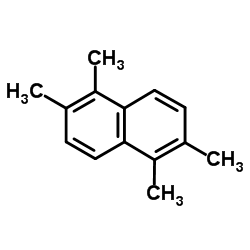 CAS#:2131-43-3
 CAS#:486-34-0
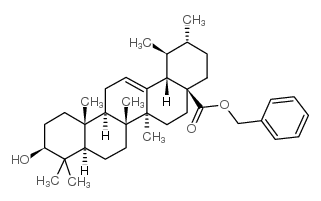 CAS#:192211-41-9
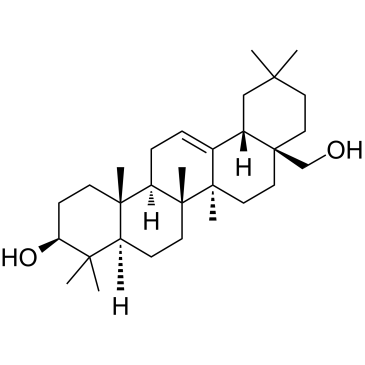 CAS#:545-48-2
This table shows customs‑related data including HS‑code, tariff and regulatory conditions for import and export.
| HS Code | 2942000000 |
|---|
This table lists relevant public references with title, journal and publication metadata for this compound.
|
RIPK1 promotes death receptor-independent caspase-8-mediated apoptosis under unresolved ER stress conditions.
Cell Death Dis. 5 , e1555, (2014) Accumulation of unfolded proteins in the endoplasmic reticulum (ER) causes ER stress and results in the activation of the unfolded protein response (UPR), which aims at restoring ER homeostasis. Howev... |
|
|
Chemical profile and in vivo hypoglycemic effects of Syzygium jambos, Costus speciosus and Tapeinochilos ananassae plant extracts used as diabetes adjuvants in Puerto Rico.
BMC Complement Altern. Med. 15 , 244, (2015) The increasing numbers of people who use plant-based remedies as alternative or complementary medicine call for the validation of less known herbal formulations used to treat their ailments. Since Pue... |
|
|
Analysis of triterpenoids and phytosterols in vegetables by thin-layer chromatography coupled to tandem mass spectrometry.
J. Chromatogr. A. 1381 , 229-38, (2015) Three TLC methods were used for an initial screening of some common plant triterpenoids and phytosterols in cuticular wax extracts of different vegetables (zucchini, eggplant, tomato, red pepper, mang... |
This table contains target information, in‑vitro & in‑vivo assay data for this compound.
This table collects all English aliases, systematic names and CAS‑related synonyms of the compound.
| Masterin |
| URSON |
| Merotaine |
| Neoage UR |
| EINECS 201-034-0 |
| PRUNOL |
| MICROMEROL |
| Ursolicacid |
| Ursolic acid |
| MALOL |
| MFCD00009621 |
| Ursolic |
This section contains frequently‑asked‑questions about this compound, including basic parameters, properties, storage conditions and corresponding answers.
| Q: What is the LogP of ursolic acid? |
| A: LogP of ursolic acid is 9.01. |
| Q: What is the SMILES notation of ursolic acid? |
| A: SMILES notation of ursolic acid is CC1CCC2(C(=O)O)CCC3(C)C(=CCC4C5(C)CCC(O)C(C)(C)C5CCC43C)C2C1C. |
| Q: What is the melting point of ursolic acid? |
| A: Melting point of ursolic acid is 292 °C (dec.)(lit.). |
| Q: What are the upstream materials of ursolic acid? |
| A: Related upstream materials(CAS) of ursolic acid: 1198208-27-3;28288-99-5;127-09-3. |
| Q: What is the polar surface area (PSA) of ursolic acid? |
| A: Polar surface area (PSA) of ursolic acid is 57.53000. |
| Q: What is the boiling point of ursolic acid? |
| A: Boiling point of ursolic acid is 556.9±50.0 °C at 760 mmHg. |
| Q: What is the molecular formula of ursolic acid? |
| A: Molecular formula of ursolic acid is C30H48O3. |
| Q: What is the safety information for ursolic acid? |
| A: Safety information for ursolic acid: S24/25. |
| Q: What is the molecular weight of ursolic acid? |
| A: Molecular weight of ursolic acid is 456.700. |
| Q: What is the InChIKey of ursolic acid? |
| A: InChIKey of ursolic acid is WCGUUGGRBIKTOS-GPOJBZKASA-N. |
This table lists manufacturers and suppliers of this compound, including vendor names and product supply reference information.
| Shanghai Nianxing Industrial Co., Ltd |
| BioBioPha |
| Dayang Chem (Hangzhou) Co., Ltd. |
| Henan Tianfu Chemical Co., Ltd. |
| Zhongshan Xingrui Chemical Co. , Ltd. |
The content on this webpage is sourced from various professional data sources. If you have any questions or concerns regarding the content, please feel free to contact service1@chemsrc.com.
- Shanghai Nianxing Industrial Co., Ltd
- China
- Product Name: Ursolic Acid
- Price: Check
- Purity: 93.0%
- Delivery: 10 Day
- Contact: Yang
- Email: sales@echemcloud.com
- BioBioPha
- China
- Product Name: Ursolic Acid
- Price: ¥Inquiry/5mg
- Purity: 98.0%
- Delivery: 10 Day
- Contact: Xueping-Zheng
- Email: 1477035482@qq.com
- Dayang Chem (Hangzhou) Co., Ltd.
- China
- Product Name: Ursolic acid
- Price: $Inquiry/100g $Inquiry/1kg $Inquiry/100kg $Inquiry/1000kg
- Purity: 98.0%
- Delivery: Inquiry
- Contact: Ms Wang
- Email: enquiry@dycnchem.com
- Henan Tianfu Chemical Co., Ltd.
- China
- Product Name: Ursolic Acid
- Price: $Inquiry/1kg $Inquiry/25kg $Inquiry/1000kg $Inquiry/10ton
- Purity: 99.0%
- Delivery: Inquiry
- Contact: Anson
- Email: info@tianfuchem.com
- Zhongshan Xingrui Chemical Co. , Ltd.
- China
- Product Name: Ursolic Acid
- Price: ¥Inquiry/25kg
- Purity: 99.0%
- Delivery: Inquiry
- Contact: Wang Jie

- Email: 3096638339@qq.com
Get all suppliers and price by the below link:
Reference only. check more Ursolic Acid price