3-(diethylamino)phenol
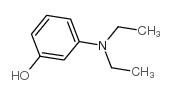
3-(diethylamino)phenol structure
|
Common Name | 3-(diethylamino)phenol | ||
|---|---|---|---|---|
| CAS Number | 91-68-9 | Molecular Weight | 165.23200 | |
| Density | 1.04g/cm3 | Boiling Point | 170 °C15 mm Hg(lit.) | |
| Molecular Formula | C10H15NO | Melting Point | 69-72 °C(lit.) | |
| MSDS | Chinese USA | Flash Point | 141 °C | |
| Symbol |

GHS07 |
Signal Word | Warning | |
This table lists Chinese names, IUPAC names and various aliases of this chemical substance.
| Name | 3-Diethylaminophenol |
|---|---|
| Synonym | More Synonyms |
This table shows physicochemical parameters including melting point, boiling point, density, solubility and optical rotation. Missing data is marked as N/A.
| Density | 1.04g/cm3 |
|---|---|
| Boiling Point | 170 °C15 mm Hg(lit.) |
| Melting Point | 69-72 °C(lit.) |
| Molecular Formula | C10H15NO |
| Molecular Weight | 165.23200 |
| Flash Point | 141 °C |
| Exact Mass | 165.11500 |
| PSA | 23.47000 |
| LogP | 2.23840 |
| Index of Refraction | 1.564 |
| InChIKey | WAVOOWVINKGEHS-UHFFFAOYSA-N |
| SMILES | CCN(CC)c1cccc(O)c1 |
| Storage condition | Refrigerator |
| Water Solubility | <0.1 g/100 mL at 20.5 ºC |
This table provides MSDS information including hazard classification, first‑aid, fire‑fighting, spill handling, operation and storage instructions.
Synonym:N,N-Diethyl-3-aminophenol; Phenol, m-(diethylamino)-; m-(Diethylamino)phenol; Phenol, 3-(diethylamino) Section 2 - COMPOSITION, INFORMATION ON INGREDIENTS
Risk Phrases: 25 Section 3 - HAZARDS IDENTIFICATION EMERGENCY OVERVIEW
Toxic if swallowed.The toxicological properties of this material have not been fully investigated. Potential Health Effects Eye: May cause eye irritation. Skin: May cause skin irritation. Ingestion: Harmful if swallowed. May cause irritation of the digestive tract. The toxicological properties of this substance have not been fully investigated. Inhalation: May cause respiratory tract irritation. The toxicological properties of this substance have not been fully investigated. Chronic: Prolonged exposure can cause damage to the eyes, severe irritation or burns. Section 4 - FIRST AID MEASURES Eyes: Flush eyes with plenty of water for at least 15 minutes, occasionally lifting the upper and lower eyelids. Get medical aid. Skin: Get medical aid. Flush skin with plenty of water for at least 15 minutes while removing contaminated clothing and shoes. Wash clothing before reuse. Ingestion: Do not induce vomiting. If victim is conscious and alert, give 2-4 cupfuls of milk or water. Never give anything by mouth to an unconscious person. Get medical aid immediately. Wash mouth out with water. Inhalation: Remove from exposure and move to fresh air immediately. If breathing is difficult, give oxygen. Get medical aid. Do NOT use mouth-to-mouth resuscitation. If breathing has ceased apply artificial respiration using oxygen and a suitable mechanical device such as a bag and a mask. Notes to Physician: Section 5 - FIRE FIGHTING MEASURES General Information: As in any fire, wear a self-contained breathing apparatus in pressure-demand, MSHA/NIOSH (approved or equivalent), and full protective gear. During a fire, irritating and highly toxic gases may be generated by thermal decomposition or combustion. Extinguishing Media: Use agent most appropriate to extinguish fire. Use water spray, dry chemical, carbon dioxide, or appropriate foam. Section 6 - ACCIDENTAL RELEASE MEASURES General Information: Use proper personal protective equipment as indicated in Section 8. Spills/Leaks: Vacuum or sweep up material and place into a suitable disposal container. Clean up spills immediately, observing precautions in the Protective Equipment section. Avoid generating dusty conditions. Provide ventilation. Section 7 - HANDLING and STORAGE Handling: Wash thoroughly after handling. Remove contaminated clothing and wash before reuse. Minimize dust generation and accumulation. Avoid contact with eyes, skin, and clothing. Do not breathe dust, vapor, mist, or gas. Keep container tightly closed. Avoid ingestion and inhalation. Use only in a chemical fume hood. Storage: Keep container closed when not in use. Store in a tightly closed container. Store in a cool, dry, well-ventilated area away from incompatible substances. Section 8 - EXPOSURE CONTROLS, PERSONAL PROTECTION Engineering Controls: Facilities storing or utilizing this material should be equipped with an eyewash facility and a safety shower. Use only under a chemical fume hood. Exposure Limits CAS# 91-68-9: Personal Protective Equipment Eyes: Wear appropriate protective eyeglasses or chemical safety goggles as described by OSHA's eye and face protection regulations in 29 CFR 1910.133 or European Standard EN166. Skin: Wear appropriate protective gloves to prevent skin exposure. Clothing: Wear appropriate protective clothing to prevent skin exposure. Respirators: A respiratory protection program that meets OSHA's 29 CFR 1910.134 and ANSI Z88.2 requirements or European Standard EN 149 must be followed whenever workplace conditions warrant respirator use. Section 9 - PHYSICAL AND CHEMICAL PROPERTIES Physical State: Pellets Color: purple Odor: Malodorous pH: Not available. Vapor Pressure: Not available. Viscosity: Not available. Boiling Point: 170 deg C @ 15.00mm Hg Freezing/Melting Point: 70 - 73 deg C Autoignition Temperature: Not applicable. Flash Point: 141 deg C ( 285.80 deg F) Explosion Limits, lower: Not available. Explosion Limits, upper: Not available. Decomposition Temperature: Solubility in water: insoluble in ligroin Specific Gravity/Density: Molecular Formula: C10H15NO Molecular Weight: 165.23 Section 10 - STABILITY AND REACTIVITY Chemical Stability: Stable under normal temperatures and pressures. Conditions to Avoid: Incompatible materials, dust generation, excess heat. Incompatibilities with Other Materials: Strong oxidizing agents, strong bases. Hazardous Decomposition Products: Nitrogen oxides, carbon monoxide, irritating and toxic fumes and gases, carbon dioxide. Hazardous Polymerization: Has not been reported. Section 11 - TOXICOLOGICAL INFORMATION RTECS#: CAS# 91-68-9: SL0550500 LD50/LC50: Not available. CAS# 109-89-7: Oral, rat: LD50 = 540 mg/kg. The toxicity of this product is partially based on the hazards associated with Diethylamine (CAS# Carcinogenicity: 3-Diethylaminophenol, granulated - Not listed by ACGIH, IARC, or NTP. Other: See actual entry in RTECS for complete information. Section 12 - ECOLOGICAL INFORMATION Section 13 - DISPOSAL CONSIDERATIONS Dispose of in a manner consistent with federal, state, and local regulations. Section 14 - TRANSPORT INFORMATION IATA Shipping Name: TOXIC SOLID, ORGANIC, N.O.S.* Hazard Class: 6.1 UN Number: 2811 Packing Group: III IMO Shipping Name: TOXIC SOLID, ORGANIC, N.O.S. Hazard Class: 6.1 UN Number: 2811 Packing Group: III RID/ADR Shipping Name: TOXIC SOLID, ORGANIC, N.O.S. Hazard Class: 6.1 UN Number: 2811 Packing group: III Section 15 - REGULATORY INFORMATION European/International Regulations European Labeling in Accordance with EC Directives Hazard Symbols: T Risk Phrases: R 25 Toxic if swallowed. Safety Phrases: S 22 Do not breathe dust. S 45 In case of accident or if you feel unwell, seek medical advice immediately (show the label where possible). WGK (Water Danger/Protection) CAS# 91-68-9: 2 Canada CAS# 91-68-9 is listed on Canada's NDSL List. CAS# 91-68-9 is not listed on Canada's Ingredient Disclosure List. US FEDERAL TSCA CAS# 91-68-9 is listed on the TSCA inventory. SECTION 16 - ADDITIONAL INFORMATION N/A |
This table summarizes toxicological test data, acute & chronic toxicity and ecological hazard parameters for this chemical.
CHEMICAL IDENTIFICATION
HEALTH HAZARD DATAACUTE TOXICITY DATAMUTATION DATA
|
This table covers safety warnings, protective measures, incompatible substances and disposal guidelines for this compound.
| Symbol |
GHS07 |
|---|---|
| Signal Word | Warning |
| Hazard Statements | H315-H319-H335 |
| Precautionary Statements | P261-P305 + P351 + P338 |
| Personal Protective Equipment | dust mask type N95 (US);Eyeshields;Gloves |
| Hazard Codes | T:Toxic |
| Risk Phrases | R25 |
| Safety Phrases | S36/37/39-S45-S22-S26 |
| RIDADR | UN 2512 6.1/PG 3 |
| WGK Germany | 2 |
| RTECS | SL0550500 |
| Packaging Group | III |
| Hazard Class | 6.1 |
| HS Code | 29222900 |
This table presents publicly reported synthetic routes, reaction conditions, reactants and product information of the compound.
This table lists upstream starting materials and downstream derivative products related to this chemical.
| Precursor 10 | |
|---|---|
| DownStream 10 | |
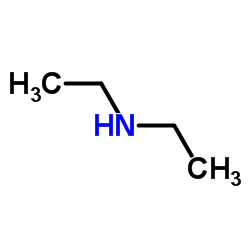 CAS#:109-89-7
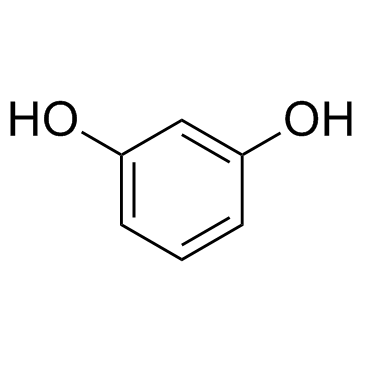 CAS#:108-46-3
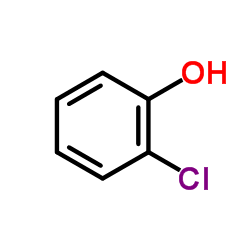 CAS#:95-57-8
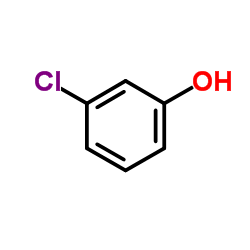 CAS#:108-43-0
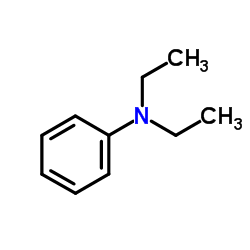 CAS#:91-66-7
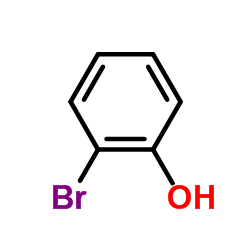 CAS#:95-56-7
 CAS#:816-43-3
 CAS#:26513-20-2
 CAS#:64-17-5
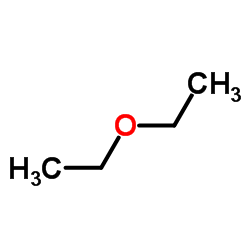 CAS#:60-29-7
![2-[4-(Diethylamino)-2-hydroxybenzoyl]benzoic acid structure](https://image.chemsrc.com/caspic/213/5809-23-4.png) CAS#:5809-23-4
CAS#:5809-23-4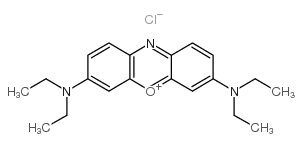 CAS#:33203-82-6
 CAS#:509-34-2
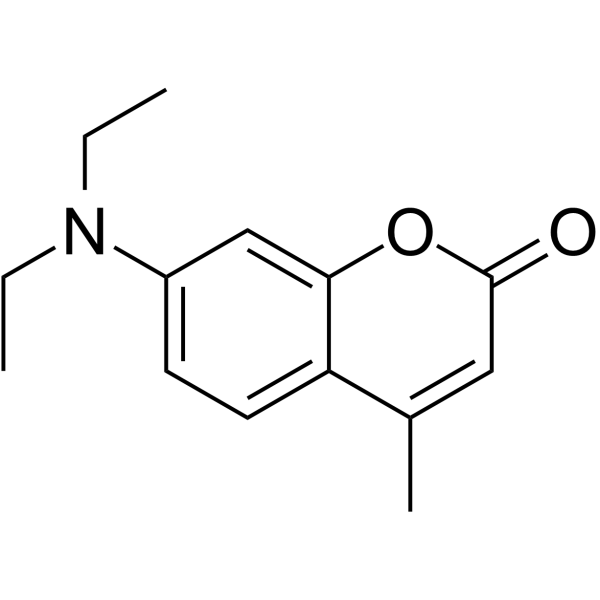 CAS#:91-44-1
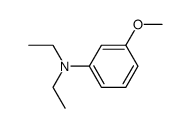 CAS#:92-18-2
![[3-(diethylamino)phenyl] acetate structure](https://image.chemsrc.com/caspic/288/18997-95-0.png) CAS#:18997-95-0
CAS#:18997-95-0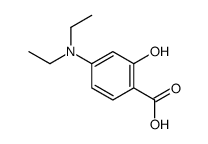 CAS#:23050-90-0
![3-(diethylamino)-6-[(6-methyl-1,3-benzothiazol-2-yl)hydrazinylidene]cyclohexa-2,4-dien-1-one structure](https://image.chemsrc.com/caspic/328/23873-21-4.png) CAS#:23873-21-4
CAS#:23873-21-4 CAS#:2631-26-7
![9'-(diethylamino)spiro[2-benzofuran-3,12'-benzo[a]xanthene]-1-one structure](https://image.chemsrc.com/caspic/358/26628-47-7.png) CAS#:26628-47-7
CAS#:26628-47-7This table shows customs‑related data including HS‑code, tariff and regulatory conditions for import and export.
| HS Code | 2922299090 |
|---|---|
| Summary | 2922299090. other amino-naphthols and other amino-phenols, other than those containing more than one kind of oxygen function, their ethers and esters; salts thereof. VAT:17.0%. Tax rebate rate:13.0%. . MFN tariff:6.5%. General tariff:30.0% |
This table lists relevant public references with title, journal and publication metadata for this compound.
|
Silyloxyamines as sources of silyl radicals: ESR spin-trapping, laser flash photolysis investigation, and photopolymerization ability. Versace DL, et al.
J. Phys. Org. Chem. 24(4) , 342-350, (2011)
|
|
|
Photoconductive Nile red cyclopalladated metallomesogens. Ionescu A, et al.
J. Mater. Chem. 22(44) , 23617-23626, (2012)
|
|
|
A Novel Synthesis of Rhodamine Derivatives. Zhi-jian C and Xiao-jun P.
Liaoning Chemical Industry 6 , (2004)
|
This table contains target information, in‑vitro & in‑vivo assay data for this compound.
This table collects all English aliases, systematic names and CAS‑related synonyms of the compound.
| 3-(diethylamino)phenol |
| EINECS 202-090-9 |
| MFCD00002265 |
This section contains frequently‑asked‑questions about this compound, including basic parameters, properties, storage conditions and corresponding answers.
| Q: What is the LogP of 3-Diethylaminophenol? |
| A: LogP of 3-Diethylaminophenol is 2.23840. |
| Q: What are the upstream materials of 3-Diethylaminophenol? |
| A: Related upstream materials(CAS) of 3-Diethylaminophenol: 109-89-7;108-46-3;95-57-8;108-43-0;91-66-7;95-56-7;816-43-3;26513-20-2;64-17-5;60-29-7. |
| Q: What is the polar surface area (PSA) of 3-Diethylaminophenol? |
| A: Polar surface area (PSA) of 3-Diethylaminophenol is 23.47000. |
| Q: What are the downstream products of 3-Diethylaminophenol? |
| A: Related downstream products(CAS) of 3-Diethylaminophenol: 5809-23-4;33203-82-6;509-34-2;91-44-1;92-18-2;18997-95-0;23050-90-0;23873-21-4;2631-26-7;26628-47-7. |
| Q: What English synonyms does 3-Diethylaminophenol have? |
| A: English synonyms of 3-Diethylaminophenol: 3-(diethylamino)phenol, EINECS 202-090-9, MFCD00002265. |
| Q: What is the English name of 3-Diethylaminophenol? |
| A: The English name of 3-Diethylaminophenol is 3-Diethylaminophenol. |
| Q: What is the boiling point of 3-Diethylaminophenol? |
| A: Boiling point of 3-Diethylaminophenol is 170 °C15 mm Hg(lit.). |
| Q: What is the CAS number of 3-Diethylaminophenol? |
| A: CAS number of 3-Diethylaminophenol is 91-68-9. |
| Q: What is the molecular formula of 3-Diethylaminophenol? |
| A: Molecular formula of 3-Diethylaminophenol is C10H15NO. |
| Q: What is the SMILES notation of 3-Diethylaminophenol? |
| A: SMILES notation of 3-Diethylaminophenol is CCN(CC)c1cccc(O)c1. |
This table lists manufacturers and suppliers of this compound, including vendor names and product supply reference information.
| Shanghai Nianxing Industrial Co., Ltd |
| Dayang Chem (Hangzhou) Co., Ltd. |
| Henan Tianfu Chemical Co., Ltd. |
| Zhongshan Xingrui Chemical Co. , Ltd. |
The content on this webpage is sourced from various professional data sources. If you have any questions or concerns regarding the content, please feel free to contact service1@chemsrc.com.
- Shanghai Nianxing Industrial Co., Ltd
- China
- Product Name: 3-(diethylamino)phenol
- Price: Check
- Purity: 97.0%
- Delivery: 10 Day
- Contact: Yang
- Email: sales@echemcloud.com
- Dayang Chem (Hangzhou) Co., Ltd.
- China
- Product Name: 3-Diethylaminophenol
- Price: $Inquiry/100g $Inquiry/1kg $Inquiry/100kg $Inquiry/1000kg
- Purity: 98.0%
- Delivery: Inquiry
- Contact: Ms Wang
- Email: enquiry@dycnchem.com
- Henan Tianfu Chemical Co., Ltd.
- China
- Product Name: 91-68-9 3-Diethylaminophenol
- Price: $Inquiry/1kg $Inquiry/25kg $Inquiry/1000kg $Inquiry/10ton
- Purity: 99.0%
- Delivery: Inquiry
- Contact: Anson
- Email: info@tianfuchem.com
- Zhongshan Xingrui Chemical Co. , Ltd.
- China
- Product Name: 3-(diethylamino)phenol
- Price: ¥Inquiry/25kg
- Purity: 99.0%
- Delivery: Inquiry
- Contact: Wang Jie

- Email: 3096638339@qq.com
Get all suppliers and price by the below link: