Methyl 4-hydroxybenzoate
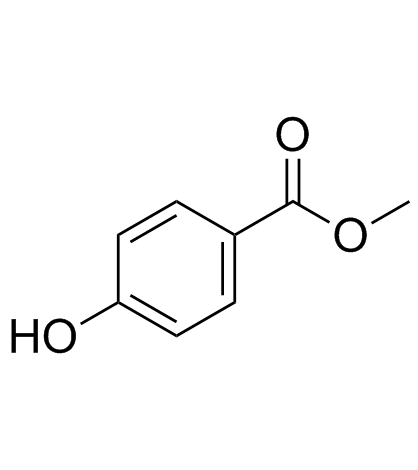
Methyl 4-hydroxybenzoate structure
|
Common Name | Methyl 4-hydroxybenzoate | ||
|---|---|---|---|---|
| CAS Number | 99-76-3 | Molecular Weight | 152.147 | |
| Density | 1.2±0.1 g/cm3 | Boiling Point | 265.5±13.0 °C at 760 mmHg | |
| Molecular Formula | C8H8O3 | Melting Point | 125-128 °C(lit.) | |
| MSDS | Chinese USA | Flash Point | 116.4±12.6 °C | |
Use of Methyl 4-hydroxybenzoateMethyl Paraben, isolated from the barks of Tsuga dumosa the methyl ester of p-hydroxybenzoic acid, is a standardized chemical allergen. Methyl Paraben is a stable, non-volatile compound used as an antimicrobial preservative in foods, drugs and cosmetics. The physiologic effect of Methyl Paraben is by means of increased histamine release, and cell-mediated immunity[1]. |
This table lists Chinese names, IUPAC names and various aliases of this chemical substance.
| Name | methylparaben |
|---|---|
| Synonym | More Synonyms |
This table contains bioactivity, target information and biological‑assay experimental data of this compound.
| Description | Methyl Paraben, isolated from the barks of Tsuga dumosa the methyl ester of p-hydroxybenzoic acid, is a standardized chemical allergen. Methyl Paraben is a stable, non-volatile compound used as an antimicrobial preservative in foods, drugs and cosmetics. The physiologic effect of Methyl Paraben is by means of increased histamine release, and cell-mediated immunity[1]. |
|---|---|
| Related Catalog | |
| References |
This table shows physicochemical parameters including melting point, boiling point, density, solubility and optical rotation. Missing data is marked as N/A.
| Density | 1.2±0.1 g/cm3 |
|---|---|
| Boiling Point | 265.5±13.0 °C at 760 mmHg |
| Melting Point | 125-128 °C(lit.) |
| Molecular Formula | C8H8O3 |
| Molecular Weight | 152.147 |
| Flash Point | 116.4±12.6 °C |
| Exact Mass | 152.047348 |
| PSA | 46.53000 |
| LogP | 1.87 |
| Vapour Pressure | 0.0±0.6 mmHg at 25°C |
| Index of Refraction | 1.547 |
| InChIKey | LXCFILQKKLGQFO-UHFFFAOYSA-N |
| SMILES | COC(=O)c1ccc(O)cc1 |
| Stability | Stable. Incompatible with strong oxidizing agents, strong bases. |
| Freezing Point | 131℃ |
This table provides MSDS information including hazard classification, first‑aid, fire‑fighting, spill handling, operation and storage instructions.
This table summarizes toxicological test data, acute & chronic toxicity and ecological hazard parameters for this chemical.
CHEMICAL IDENTIFICATION
HEALTH HAZARD DATAACUTE TOXICITY DATA
MUTATION DATA
|
This table covers safety warnings, protective measures, incompatible substances and disposal guidelines for this compound.
| Hazard Statements | H412 |
|---|---|
| Precautionary Statements | P273 |
| Personal Protective Equipment | dust mask type N95 (US);Eyeshields;Gloves |
| Hazard Codes | Xi,Xn |
| Risk Phrases | R36/37/38 |
| Safety Phrases | S26-S36-S24/25 |
| RIDADR | UN 2769 |
| WGK Germany | 1 |
| RTECS | DH2450000 |
| HS Code | 2918290000 |
This table presents publicly reported synthetic routes, reaction conditions, reactants and product information of the compound.
This table lists upstream starting materials and downstream derivative products related to this chemical.
| Precursor 10 | |
|---|---|
| DownStream 10 | |
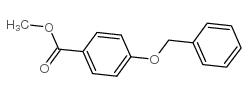 CAS#:32122-11-5
![methyl 4-[(trifluoromethane)sulfonyloxy]benzoate Structure](https://image.chemsrc.com/caspic/306/17763-71-2.png) CAS#:17763-71-2
CAS#:17763-71-2 CAS#:99768-12-4
 CAS#:67-56-1
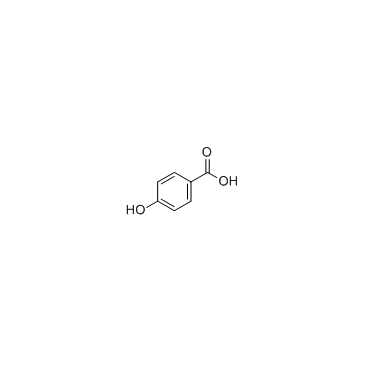 CAS#:99-96-7
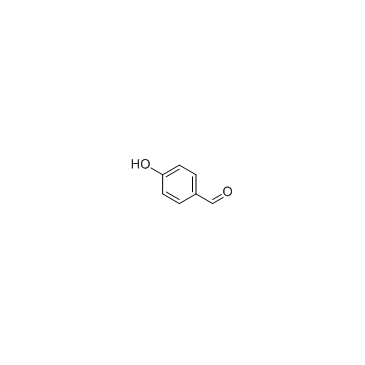 CAS#:123-08-0
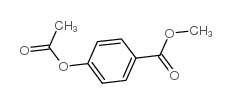 CAS#:24262-66-6
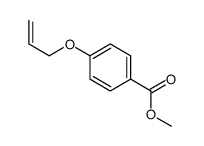 CAS#:35750-24-4
 CAS#:133642-20-3
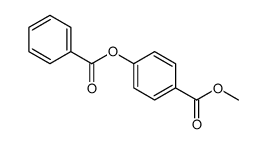 CAS#:75915-29-6
 CAS#:104605-71-2
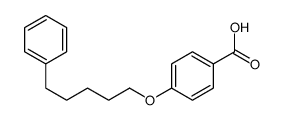 CAS#:110683-64-2
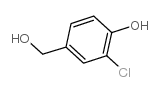 CAS#:105960-29-0
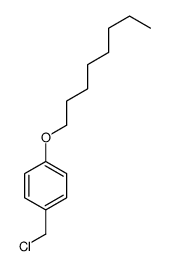 CAS#:110482-75-2
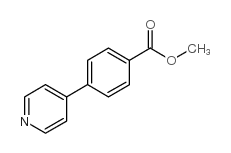 CAS#:106047-17-0
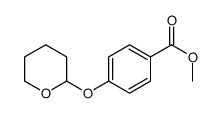 CAS#:106342-09-0
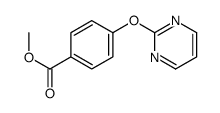 CAS#:1090587-89-5
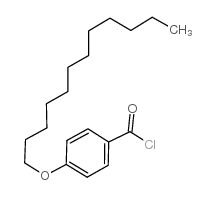 CAS#:50909-50-7
 CAS#:3753-81-9
 CAS#:35826-59-6
This table shows customs‑related data including HS‑code, tariff and regulatory conditions for import and export.
| HS Code | 2918290000 |
|---|---|
| Summary | HS: 2918290000 other carboxylic acids with phenol function but without other oxygen function, their anhydrides, halides, peroxides, peroxyacids and their derivatives Tax rebate rate:9.0% Supervision conditions:AB(certificate of inspection for goods inward,certificate of inspection for goods outward) VAT:17.0% MFN tariff:6.5% General tariff:30.0% |
This table lists relevant public references with title, journal and publication metadata for this compound.
|
The complex contributions of genetics and nutrition to immunity in Drosophila melanogaster.
PLoS Genet. 11(3) , e1005030, (2015) Both malnutrition and undernutrition can lead to compromised immune defense in a diversity of animals, and "nutritional immunology" has been suggested as a means of understanding immunity and determin... |
|
|
Development and validation of a stability-indicating LC-UV method for the determination of pantethine and its degradation product based on a forced degradation study.
J. Pharm. Biomed. Anal. 97 , 141-50, (2014) Pantethine (d-bis-(N-pantothenyl-β-aminoethyl)-disulfide, PAN), the stable disulfide form of pantetheine, has beneficial effects in vascular diseases being able to decrease the hyperlipidaemia, modera... |
|
|
Comparison of rheological properties, follicular penetration, drug release, and permeation behavior of a novel topical drug delivery system and a conventional cream.
Eur. J. Pharm. Biopharm. 88(3) , 614-24, (2015) A novel adapalene-loaded solid lipid microparticle (SLMA) dispersion as a topical drug delivery system (TDDS) for follicular penetration has been introduced. The objective of the present study was to ... |
This table contains target information, in‑vitro & in‑vivo assay data for this compound.
|
Name: Primary qHTS assay for inhibitors of alpha-synuclein gene (SNCA) expression
Source: NCGC
External Id: SNCA-p-activity-luciferase
|
|
Name: Fluorescence-based cell-based primary high throughput screening assay to identify ago...
Source: The Scripps Research Institute Molecular Screening Center
Target: muscarinic acetylcholine receptor M1 [Homo sapiens]
External Id: CHRM1_AG_FLUO8_1536_1X%ACT PRUN
|
|
Name: Cytochrome P450 Family 1 Subfamily A Member 2 (CYP1A2) small molecule antagonists: lu...
Source: 824
External Id: CYP273
|
|
Name: Dissociation constant was determined at pH 7.2
Source: ChEMBL
Target: N/A
External Id: CHEMBL632407
|
|
Name: Mouse TRPA1 (Transient Receptor Potential channels)
Source: IUPHAR-DB
Target: TRPA1 (Transient Receptor Potential channels) [Mus musculus]
External Id: 485_Mouse
|
|
Name: Fluorescence-based cell-based primary high throughput screening assay to identify pos...
Source: The Scripps Research Institute Molecular Screening Center
Target: muscarinic acetylcholine receptor M1 [Homo sapiens]
External Id: CHRM1_PAM_FLUO8_1536_1X%ACT PRUN
|
|
Name: qHTS Assay for Small Molecule Inhibitors of the Human hERG Channel Activity
Source: NCGC
External Id: HERG01
|
|
Name: qHTS for Inhibitors of TGF-b: Cytotox Counterscreen
Source: NCGC
Target: N/A
External Id: SMAD3201
|
|
Name: uHTS identification of cystic fibrosis induced NFkb Inhibitors in a fluoresence assay
Source: Burnham Center for Chemical Genomics
Target: cystic fibrosis transmembrane conductance regulator [Homo sapiens]
External Id: SBCCG-A764-CF-PAF-Primary-Assay
|
This table collects all English aliases, systematic names and CAS‑related synonyms of the compound.
| methyl p-hydroxybenzoate |
| 4-Hydroxybenzoic acid, methyl ester |
| 4-(Carbomethoxy)phenol |
| Mekkings M |
| Benzoic acid, 4-hydroxy-, methyl ester |
| Methylparaben |
| 4-(Methoxycarbonyl)phenol |
| Methyl parahydroxybenzoate |
| Killitol |
| Methyl chemosept |
| Methyl-4-hydroxybenzoate |
| p-Hydroxybenzoic acid methyl ester |
| methyl para-hydroxybenzoate |
| 4-Hydroxybenzoic Acid Methyl Ester |
| EINECS 202-785-7 |
| Methyl 4-hydroxybenzoate |
| Benzoic acid, p-hydroxy-, methyl ester |
| Nipagin |
| 4-Hydroxy-benzoic acid methyl ester |
| Metagin |
| p-Hydroxybenzoic acid, methyl ester |
| p-Hydroxybenzoic methyl ester |
| Methyl parasept |
| Tegosept M |
| 4-Hydroxybenzoic acid methylester |
| MFCD00002352 |
| Methyl Paraben |
This section contains frequently‑asked‑questions about this compound, including basic parameters, properties, storage conditions and corresponding answers.
| Q: What are the downstream products of methylparaben? |
| A: Related downstream products(CAS) of methylparaben: 104605-71-2;110683-64-2;105960-29-0;110482-75-2;106047-17-0;106342-09-0;1090587-89-5;50909-50-7;3753-81-9;35826-59-6. |
| Q: What are the upstream materials of methylparaben? |
| A: Related upstream materials(CAS) of methylparaben: 32122-11-5;17763-71-2;99768-12-4;67-56-1;99-96-7;123-08-0;24262-66-6;35750-24-4;133642-20-3;75915-29-6. |
| Q: What is the InChIKey of methylparaben? |
| A: InChIKey of methylparaben is LXCFILQKKLGQFO-UHFFFAOYSA-N. |
| Q: What is the safety information for methylparaben? |
| A: Safety information for methylparaben: S26-S36-S24/25. |
| Q: What is the boiling point of methylparaben? |
| A: Boiling point of methylparaben is 265.5±13.0 °C at 760 mmHg. |
| Q: What are the uses of methylparaben? |
| A: Main uses of methylparaben: Methyl Paraben, isolated from the barks of Tsuga dumosa the methyl ester of p-hydroxybenzoic acid, is a standardized chemical allergen. Methyl Paraben is a stable, non-volatile compound used as an antimicrobial preservative in foods, drugs and cosmetics. The physiologic effect of Methyl Paraben is by means of increased histamine release, and cell-mediated immunity[1]. |
| Q: What is the English name of methylparaben? |
| A: The English name of methylparaben is methylparaben. |
| Q: What is the polar surface area (PSA) of methylparaben? |
| A: Polar surface area (PSA) of methylparaben is 46.53000. |
| Q: What is the SMILES notation of methylparaben? |
| A: SMILES notation of methylparaben is COC(=O)c1ccc(O)cc1. |
| Q: What is the melting point of methylparaben? |
| A: Melting point of methylparaben is 125-128 °C(lit.). |
This table lists manufacturers and suppliers of this compound, including vendor names and product supply reference information.
| Shanghai Nianxing Industrial Co., Ltd |
| BioBioPha |
| Dayang Chem (Hangzhou) Co., Ltd. |