Methyl linoleate
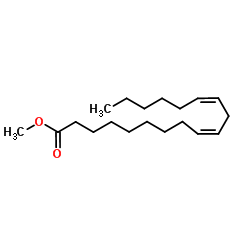
Methyl linoleate structure
|
Common Name | Methyl linoleate | ||
|---|---|---|---|---|
| CAS Number | 112-63-0 | Molecular Weight | 294.472 | |
| Density | 0.9±0.1 g/cm3 | Boiling Point | 373.3±21.0 °C at 760 mmHg | |
| Molecular Formula | C19H34O2 | Melting Point | -35ºC(lit.) | |
| MSDS | Chinese USA | Flash Point | 96.9±20.4 °C | |
| Symbol |


GHS02, GHS07, GHS08, GHS09 |
Signal Word | Danger | |
Use of Methyl linoleateMethyl linoleate, a major active constituent of Sageretia thea fruit (HFSF), is a major anti-melanogenic compound. Methyl linoleate downregulates microphthalmia-associated transcription factor (MITF) and tyrosinase-related proteins[1]. |
Summary: Methyl linoleate, Chinese name: 亚油酸甲酯, CAS number: 112-63-0, molecular formula: C19H34O2, molecular weight: 294.472. It is a transparent pale to dark yellow liquid with a melting point of -35ºC and a boiling point of 373.3±21.0 °C, density of 0.9±0.1 g/cm3. For research-use only, not for medical or clinical usage.
This table lists Chinese names, IUPAC names and various aliases of this chemical substance.
| Name | methyl linoleate |
|---|---|
| Synonym | More Synonyms |
This table contains bioactivity, target information and biological‑assay experimental data of this compound.
| Description | Methyl linoleate, a major active constituent of Sageretia thea fruit (HFSF), is a major anti-melanogenic compound. Methyl linoleate downregulates microphthalmia-associated transcription factor (MITF) and tyrosinase-related proteins[1]. |
|---|---|
| Related Catalog | |
| In Vitro | Sageretia thea fruit extracts rich in Methyl linoleate downregulate melanogenesis via the Akt/GSK3β signaling pathway. The HFSF and Methyl linoleate inhibit β-catenin-mediated transcriptional activation of MITF through the Akt/GSK3β signaling pathway[1]. |
| References |
This table shows physicochemical parameters including melting point, boiling point, density, solubility and optical rotation. Missing data is marked as N/A.
| Density | 0.9±0.1 g/cm3 |
|---|---|
| Boiling Point | 373.3±21.0 °C at 760 mmHg |
| Melting Point | -35ºC(lit.) |
| Molecular Formula | C19H34O2 |
| Molecular Weight | 294.472 |
| Flash Point | 96.9±20.4 °C |
| Exact Mass | 294.255890 |
| PSA | 26.30000 |
| LogP | 7.64 |
| Vapour Pressure | 0.0±0.8 mmHg at 25°C |
| Index of Refraction | 1.465 |
| Storage condition | 2-8°C |
This table provides MSDS information including hazard classification, first‑aid, fire‑fighting, spill handling, operation and storage instructions.
This table covers safety warnings, protective measures, incompatible substances and disposal guidelines for this compound.
| Symbol |
GHS02, GHS07, GHS08, GHS09 |
|---|---|
| Signal Word | Danger |
| Hazard Statements | H225-H304-H315-H336-H410 |
| Precautionary Statements | P210-P261-P273-P301 + P310-P331-P501 |
| Personal Protective Equipment | Eyeshields;Gloves |
| Hazard Codes | F,Xn,N |
| Risk Phrases | R11 |
| Safety Phrases | 23-24/25-62-61-60-33-29-16-9 |
| RIDADR | UN 1206 3/PG 2 |
| WGK Germany | 1 |
| HS Code | 2916190090 |
This table presents publicly reported synthetic routes, reaction conditions, reactants and product information of the compound.
This table lists upstream starting materials and downstream derivative products related to this chemical.
| Precursor 9 | |
|---|---|
| DownStream 10 | |
 CAS#:67-56-1
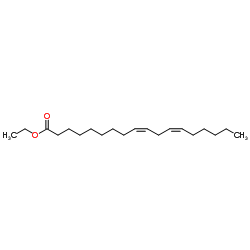 CAS#:544-35-4
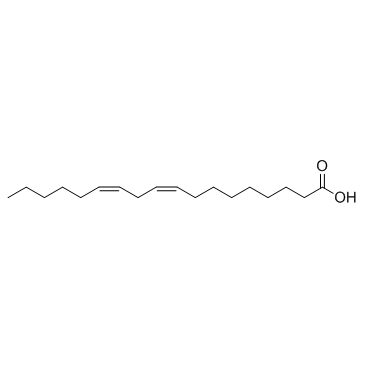 CAS#:60-33-3
 CAS#:1360168-38-2
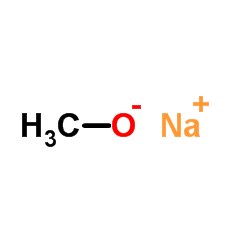 CAS#:124-41-4
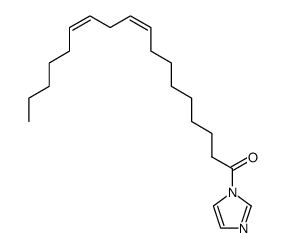 CAS#:64833-94-9
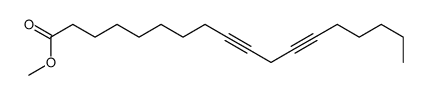 CAS#:62439-44-5
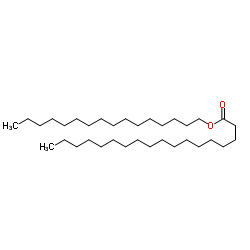 CAS#:1190-63-2
 CAS#:17673-53-9
 CAS#:33001-45-5
 CAS#:127592-95-4
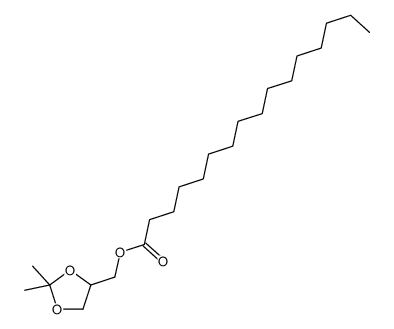 CAS#:18418-21-8
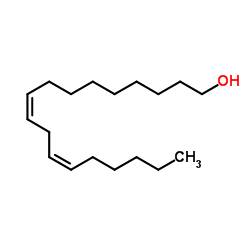 CAS#:506-43-4
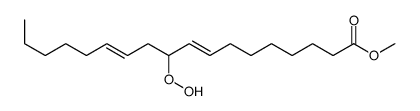 CAS#:14606-78-1
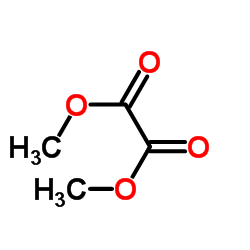 CAS#:553-90-2
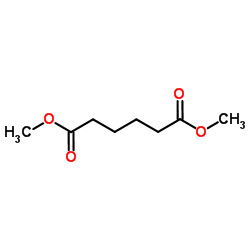 CAS#:627-93-0
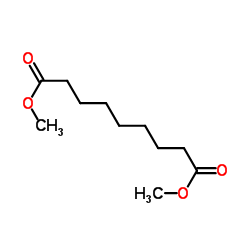 CAS#:1732-10-1
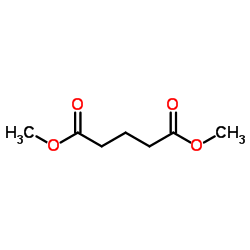 CAS#:1119-40-0
This table shows customs‑related data including HS‑code, tariff and regulatory conditions for import and export.
| HS Code | 2916190090 |
|---|---|
| Summary | 2916190090 unsaturated acyclic monocarboxylic acids, their anhydrides, halides, peroxides, peroxyacids and their derivatives。supervision conditions:AB(certificate of inspection for goods inward,certificate of inspection for goods outward)。VAT:17.0%。tax rebate rate:9.0%。MFN tariff:6.5%。general tariff:30.0% |
This table lists relevant public references with title, journal and publication metadata for this compound.
|
Optimization of supercritical fluid consecutive extractions of fatty acids and polyphenols from Vitis vinifera grape wastes.
J. Food Sci. 80(1) , E101-7, (2015) In this study, supercritical fluid extraction has been successfully applied to a sequential fractionation of fatty acids and polyphenols from wine wastes (2 different vitis vinifera grapes). To this a... |
|
|
Ultrasound intensification suppresses the need of methanol excess during the biodiesel production with Lipozyme TL-IM.
Ultrason. Sonochem. 27 , 530-5, (2015) The synthesis of biodiesel from sunflower oil and methanol based on transesterification using the immobilized lipase from Thermomyces lanuginosus (Lipozyme TL-IM) has been investigated under silent co... |
|
|
Oxidative stability of n-3-enriched chicken patties under different package-atmosphere conditions.
Food Chem. 168 , 372-82, (2015) The oxidation processes were studied in chicken patties, enriched with n-3 fatty acids, after 8days of storage at 4°C, under different aerobic conditions, and following heat treatment. Significant eff... |
This table contains target information, in‑vitro & in‑vivo assay data for this compound.
This table collects all English aliases, systematic names and CAS‑related synonyms of the compound.
| Linoleic acid, methyl ester (8CI) |
| 9,12-Octadecadienoic acid (Z,Z)-, methyl ester |
| Methyl (9Z,12Z)-9,12-octadecadienoate |
| Methyl linoleate |
| 9,12-Octadecadienoic acid (9Z,12Z)-, methyl ester |
| Linoleic acid methyl ester |
| Methyl (9Z,12Z)-octadeca-9,12-dienoate |
| Methyl octadecadienoate |
| Methyl lineoleate |
| Methyl (Z,Z)-9,12-octadecadienoate |
| Methyl 9-cis,12-cis-octadecadienoate |
| Methyl cis,cis-9,12-octadecadienoate |
| Methyl cis,cis-octadeca-9,12-dienoate |
| EINECS 203-993-0 |
| MFCD00009534 |
This section contains frequently‑asked‑questions about this compound, including basic parameters, properties, storage conditions and corresponding answers.
| Q: What is the melting point of methyl linoleate? |
| A: Melting point of methyl linoleate is -35ºC(lit.). |
| Q: What is the polar surface area (PSA) of methyl linoleate? |
| A: Polar surface area (PSA) of methyl linoleate is 26.30000. |
| Q: What is the English name of methyl linoleate? |
| A: The English name of methyl linoleate is methyl linoleate. |
| Q: What is the LogP of methyl linoleate? |
| A: LogP of methyl linoleate is 7.64. |
| Q: What are the downstream products of methyl linoleate? |
| A: Related downstream products(CAS) of methyl linoleate: 33001-45-5;127592-95-4;18418-21-8;544-35-4;506-43-4;14606-78-1;553-90-2;627-93-0;1732-10-1;1119-40-0. |
| Q: What is the CAS number of methyl linoleate? |
| A: CAS number of methyl linoleate is 112-63-0. |
| Q: What are the uses of methyl linoleate? |
| A: Main uses of methyl linoleate: Methyl linoleate, a major active constituent of Sageretia thea fruit (HFSF), is a major anti-melanogenic compound. Methyl linoleate downregulates microphthalmia-associated transcription factor (MITF) and tyrosinase-related proteins[1]. |
| Q: What is the boiling point of methyl linoleate? |
| A: Boiling point of methyl linoleate is 373.3±21.0 °C at 760 mmHg. |
| Q: What is the molecular formula of methyl linoleate? |
| A: Molecular formula of methyl linoleate is C19H34O2. |
| Q: What is the safety information for methyl linoleate? |
| A: Safety information for methyl linoleate: 23-24/25-62-61-60-33-29-16-9. |
This table lists manufacturers and suppliers of this compound, including vendor names and product supply reference information.
| Shanghai Nianxing Industrial Co., Ltd |
| Dayang Chem (Hangzhou) Co., Ltd. |