Trimethylamine oxide
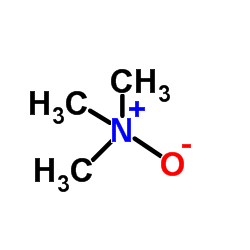
Trimethylamine oxide structure
|
Common Name | Trimethylamine oxide | ||
|---|---|---|---|---|
| CAS Number | 1184-78-7 | Molecular Weight | 75.110 | |
| Density | 0.9301 (rough estimate) | Boiling Point | 133.8°C (rough estimate) | |
| Molecular Formula | C3H9NO | Melting Point | 220-222ºC(lit.) | |
| MSDS | Chinese USA | Flash Point | N/A | |
| Symbol |

GHS07 |
Signal Word | Warning | |
Use of Trimethylamine oxideTrimethylamine N-oxide is a gut microbe-dependent metabolite of dietary choline and other trimethylamine-containing nutrients. Trimethylamine N-oxide induces inflammation by activating the ROS/NLRP3 inflammasome. Trimethylamine N-oxide also accelerates fibroblast-myofibroblast differentiation and induces cardiac fibrosis by activating the TGF-β/smad2 signaling pathway[1][2][3]. |
Summary: Trimethylamine N-oxide, also known as trimethylamine oxide, has a CAS number of 1184-78-7, with a molecular formula of C3H9NO and a molecular weight of 75.110. It should be stored at room temperature, sealed, and dry. Trimethylamine N-oxide is a gut microbe-dependent metabolite of dietary choline and other trimethylamine-containing nutrients. It induces inflammation by activating the ROS/NLRP3 inflammasome and accelerates fibroblast-myofibroblast differentiation and cardiac fibrosis by activating the TGF-β/smad2 signaling pathway. For research-use only, not for medical or clinical usage.
This table lists Chinese names, IUPAC names and various aliases of this chemical substance.
| Name | trimethylamine N-oxide |
|---|---|
| Synonym | More Synonyms |
This table contains bioactivity, target information and biological‑assay experimental data of this compound.
| Description | Trimethylamine N-oxide is a gut microbe-dependent metabolite of dietary choline and other trimethylamine-containing nutrients. Trimethylamine N-oxide induces inflammation by activating the ROS/NLRP3 inflammasome. Trimethylamine N-oxide also accelerates fibroblast-myofibroblast differentiation and induces cardiac fibrosis by activating the TGF-β/smad2 signaling pathway[1][2][3]. |
|---|---|
| Related Catalog | |
| Target |
ROS/NLRP3 inflammasome[1] TGF-β/smad2[1] |
| In Vitro | The size and migration of fibroblasts are increased after Trimethylamine N-oxide (TMAO) treatment compared with non-treated fibroblasts in vitro. Trimethylamine N-oxide increases TGF-β receptor I expression, which promotes the phosphorylation of Smad2 and up-regulates the expression of α-SMA and collagen I. The ubiquitination of TGF-βRI is decreased in neonatal mouse fibroblasts after Trimethylamine N-oxide treatment. Trimethylamine N-oxide also inhibits the expression of smurf2[2]. Trimethylamine N-oxide is frequently found in the tissues of a variety of marine organisms that protects against the adverse effects of temperature, salinity, high urea and hydrostatic pressure[3]. |
| In Vivo | Trimethylamine N-oxide (TMAO) contributes to cardiovascular diseases by promoting inflammatory responses. C57BL/6 mice are fed a normal diet, high-choline diet and/or 3-dimethyl-1-butanol (DMB) diet. The levels of Trimethylamine N-oxide and choline are increased in choline-fed mice. Left ventricular hypertrophy, pulmonary congestion, and diastolic dysfunction are markedly exacerbated in heart failure with preserved ejection fraction (HFpEF) mice fed high-choline diets compared with mice fed the control diet. Myocardial fibrosis and inflammation were markedly increased in HFpEF mice fed high-choline diets compared with animals fed the control diet[1]. |
| References |
This table shows physicochemical parameters including melting point, boiling point, density, solubility and optical rotation. Missing data is marked as N/A.
| Density | 0.9301 (rough estimate) |
|---|---|
| Boiling Point | 133.8°C (rough estimate) |
| Melting Point | 220-222ºC(lit.) |
| Molecular Formula | C3H9NO |
| Molecular Weight | 75.110 |
| Exact Mass | 75.068413 |
| PSA | 29.43000 |
| LogP | -2.57 |
| Index of Refraction | 1.4698 (estimate) |
| InChIKey | UYPYRKYUKCHHIB-UHFFFAOYSA-N |
| SMILES | C[N+](C)(C)[O-] |
This table provides MSDS information including hazard classification, first‑aid, fire‑fighting, spill handling, operation and storage instructions.
This table covers safety warnings, protective measures, incompatible substances and disposal guidelines for this compound.
| Symbol |
GHS07 |
|---|---|
| Signal Word | Warning |
| Hazard Statements | H315-H319-H335 |
| Precautionary Statements | P261-P305 + P351 + P338 |
| Personal Protective Equipment | dust mask type N95 (US);Eyeshields;Gloves |
| Hazard Codes | Xi: Irritant; |
| Risk Phrases | R36/37/38 |
| Safety Phrases | 26-37/39 |
| RIDADR | NONH for all modes of transport |
| WGK Germany | 3 |
| HS Code | 2921110090 |
This table presents publicly reported synthetic routes, reaction conditions, reactants and product information of the compound.
This table lists upstream starting materials and downstream derivative products related to this chemical.
| Precursor 9 | |
|---|---|
| DownStream 10 | |
 CAS#:75-50-3
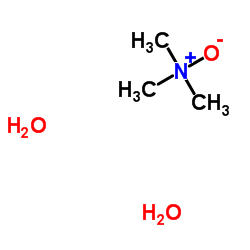 CAS#:62637-93-8
 CAS#:81752-56-9
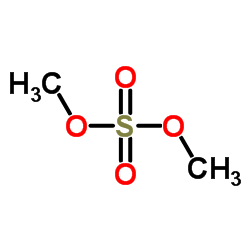 CAS#:77-78-1
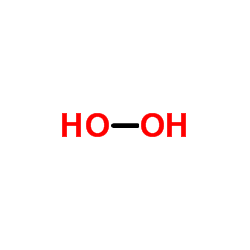 CAS#:7722-84-1
 CAS#:7732-18-5
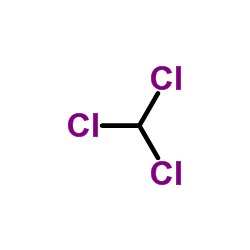 CAS#:67-66-3
 CAS#:10028-15-6
 CAS#:110-54-3
 CAS#:7239-24-9
 CAS#:400-38-4
 CAS#:14917-12-5
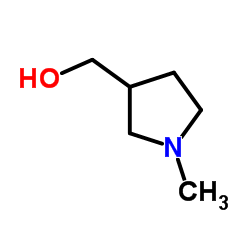 CAS#:5021-33-0
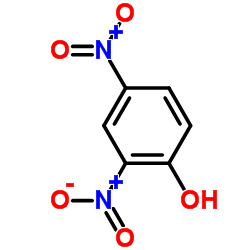 CAS#:51-28-5
 CAS#:593-81-7
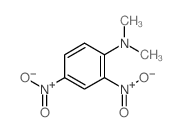 CAS#:1670-17-3
 CAS#:837-64-9
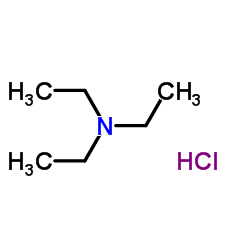 CAS#:554-68-7
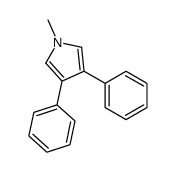 CAS#:24963-10-8
This table shows customs‑related data including HS‑code, tariff and regulatory conditions for import and export.
| HS Code | 2921110090 |
|---|---|
| Summary | HS: 2921110090. methylamine, di- or trimethylamine and their salts. VAT:17.0%. tax rebate rate:9.0%. supervision conditions:ab(certificate of inspection for goods inward,certificate of inspection for goods outward). MFN tariff:6.5%. general tariff:30.0% |
This table lists relevant public references with title, journal and publication metadata for this compound.
|
HMDB: a knowledgebase for the human metabolome.
Nucleic Acids Res. 37(Database issue) , D603-10, (2009) The Human Metabolome Database (HMDB, http://www.hmdb.ca) is a richly annotated resource that is designed to address the broad needs of biochemists, clinical chemists, physicians, medical geneticists, ... |
|
|
Prediction of skeletal muscle and fat mass in patients with advanced cancer using a metabolomic approach.
J. Nutr. 142(1) , 14-21, (2012) Urine and plasma metabolites originate from endogenous metabolic pathways in different organs and exogenous sources (diet). Urine and plasma were obtained from advanced cancer patients and investigate... |
|
|
Gender-related and age-related urinalysis of healthy subjects by NMR-based metabonomics.
NMR Biomed. 21(3) , 195-207, (2008) NMR-based metabonomic analysis is a well-established approach to characterizing healthy and diseased states. The aim of this study was to investigate inter-individual variability in the metabolic urin... |
This table collects all English aliases, systematic names and CAS‑related synonyms of the compound.
| TMAO |
| N,N-Dimethylmethanamine N-oxide |
| EINECS 214-675-6 |
| Triox |
| anhydrous trimethylamine oxide |
| TriMethylaMine N-Oxide |
| N,N-dimethylmethanamine oxide |
| Methanamine,N,N-dimethyl-,N-oxide |
| trimethylamine-N-oxide |
| Trimethylamine oxide |
| Triméthylamine-oxyde |
| Trimethylamineoxid |
| MFCD00002048 |
| Trimethyloxamine |
This section contains frequently‑asked‑questions about this compound, including basic parameters, properties, storage conditions and corresponding answers.
| Q: What is the molecular formula of trimethylamine N-oxide? |
| A: Molecular formula of trimethylamine N-oxide is C3H9NO. |
| Q: What are the uses of trimethylamine N-oxide? |
| A: Main uses of trimethylamine N-oxide: Trimethylamine N-oxide is a gut microbe-dependent metabolite of dietary choline and other trimethylamine-containing nutrients. Trimethylamine N-oxide induces inflammation by activating the ROS/NLRP3 inflammasome. Trimethylamine N-oxide also accelerates fibroblast-myofibroblast differentiation and induces cardiac fibrosis by activating the TGF-β/smad2 signaling pathway[1][2][3]. |
| Q: What is the polar surface area (PSA) of trimethylamine N-oxide? |
| A: Polar surface area (PSA) of trimethylamine N-oxide is 29.43000. |
| Q: What is the SMILES notation of trimethylamine N-oxide? |
| A: SMILES notation of trimethylamine N-oxide is C[N+](C)(C)[O-]. |
| Q: What is the molecular weight of trimethylamine N-oxide? |
| A: Molecular weight of trimethylamine N-oxide is 75.110. |
| Q: What is the LogP of trimethylamine N-oxide? |
| A: LogP of trimethylamine N-oxide is -2.57. |
| Q: What is the InChIKey of trimethylamine N-oxide? |
| A: InChIKey of trimethylamine N-oxide is UYPYRKYUKCHHIB-UHFFFAOYSA-N. |
| Q: What is the CAS number of trimethylamine N-oxide? |
| A: CAS number of trimethylamine N-oxide is 1184-78-7. |
| Q: What is the boiling point of trimethylamine N-oxide? |
| A: Boiling point of trimethylamine N-oxide is 133.8°C (rough estimate). |
| Q: What are the downstream products of trimethylamine N-oxide? |
| A: Related downstream products(CAS) of trimethylamine N-oxide: 7239-24-9;400-38-4;14917-12-5;5021-33-0;51-28-5;593-81-7;1670-17-3;837-64-9;554-68-7;24963-10-8. |
This table lists manufacturers and suppliers of this compound, including vendor names and product supply reference information.
| Shanghai Nianxing Industrial Co., Ltd |
| Dayang Chem (Hangzhou) Co., Ltd. |
| Henan Tianfu Chemical Co., Ltd. |