Thiabendazole
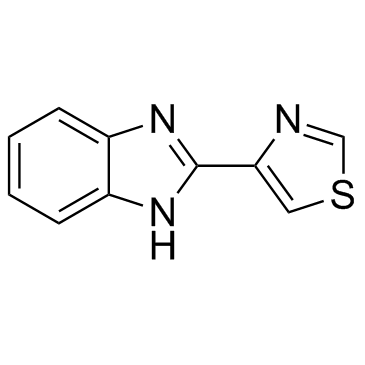
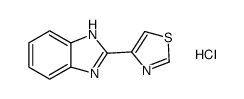
Thiabendazole structure
|
Common Name | Thiabendazole | ||
|---|---|---|---|---|
| CAS Number | 148-79-8 | Molecular Weight | 201.248 | |
| Density | 1.4±0.1 g/cm3 | Boiling Point | 446.0±37.0 °C at 760 mmHg | |
| Molecular Formula | C10H7N3S | Melting Point | 298-301ºC | |
| MSDS | Chinese USA | Flash Point | 226.2±16.9 °C | |
| Symbol |

GHS09 |
Signal Word | Warning | |
Use of ThiabendazoleThiabendazole inhibites the mitochondrial helminth-specific enzyme, fumarate reductase, with anthelminthic property. Target: Fumarate ReductaseTiabendazole serves to block angiogenesis in both frog embryos and human cells. It has also been shown to serve as a vascular disrupting agent to reduce newly established blood vessels. Tiabendazole has been shown to effectively do this in certain cancer cells. Thiabendazole works by inhibition of the mitochondrial, helminth-specific enzyme, fumarate reductase, with possible interaction with endogenous quinone [1].Thiabendazole inhibited B16F10 proliferation in vitro in a dose- and time-dependent manner with an IC50 of 532.4 +/- 32.6, 322.9 +/- 28.9, 238.5 +/- 19.8 microM at 24, 48, and 72 h, respectively. Moreover, thiabendazole inhibited the angiogenesis and the migration of B16F10 cells in vitro. Furthermore, thiabendazole restrained transcription and translation of the VEGF gene in B16F10 in vitro, and the apoptotic percentage of B16F10 cells was increased after exposure to thiabendazole [2]. |
This table lists Chinese names, IUPAC names and various aliases of this chemical substance.
| Name | thiabendazole |
|---|---|
| Synonym | More Synonyms |
This table contains bioactivity, target information and biological‑assay experimental data of this compound.
| Description | Thiabendazole inhibites the mitochondrial helminth-specific enzyme, fumarate reductase, with anthelminthic property. Target: Fumarate ReductaseTiabendazole serves to block angiogenesis in both frog embryos and human cells. It has also been shown to serve as a vascular disrupting agent to reduce newly established blood vessels. Tiabendazole has been shown to effectively do this in certain cancer cells. Thiabendazole works by inhibition of the mitochondrial, helminth-specific enzyme, fumarate reductase, with possible interaction with endogenous quinone [1].Thiabendazole inhibited B16F10 proliferation in vitro in a dose- and time-dependent manner with an IC50 of 532.4 +/- 32.6, 322.9 +/- 28.9, 238.5 +/- 19.8 microM at 24, 48, and 72 h, respectively. Moreover, thiabendazole inhibited the angiogenesis and the migration of B16F10 cells in vitro. Furthermore, thiabendazole restrained transcription and translation of the VEGF gene in B16F10 in vitro, and the apoptotic percentage of B16F10 cells was increased after exposure to thiabendazole [2]. |
|---|---|
| Related Catalog | |
| References |
This table shows physicochemical parameters including melting point, boiling point, density, solubility and optical rotation. Missing data is marked as N/A.
| Density | 1.4±0.1 g/cm3 |
|---|---|
| Boiling Point | 446.0±37.0 °C at 760 mmHg |
| Melting Point | 298-301ºC |
| Molecular Formula | C10H7N3S |
| Molecular Weight | 201.248 |
| Flash Point | 226.2±16.9 °C |
| Exact Mass | 201.036072 |
| PSA | 69.81000 |
| LogP | 2.47 |
| Vapour Pressure | 0.0±1.1 mmHg at 25°C |
| Index of Refraction | 1.740 |
| InChIKey | WJCNZQLZVWNLKY-UHFFFAOYSA-N |
| SMILES | c1ccc2[nH]c(-c3cscn3)nc2c1 |
| Water Solubility | 0.005 g/100 mL |
This table provides MSDS information including hazard classification, first‑aid, fire‑fighting, spill handling, operation and storage instructions.
This table summarizes toxicological test data, acute & chronic toxicity and ecological hazard parameters for this chemical.
CHEMICAL IDENTIFICATION
HEALTH HAZARD DATAACUTE TOXICITY DATA
MUTATION DATA
|
This table covers safety warnings, protective measures, incompatible substances and disposal guidelines for this compound.
| Symbol |
GHS09 |
|---|---|
| Signal Word | Warning |
| Hazard Statements | H410 |
| Precautionary Statements | P273-P501 |
| Personal Protective Equipment | Eyeshields;Gloves |
| Hazard Codes | N:Dangerousfortheenvironment; |
| Risk Phrases | R50/53 |
| Safety Phrases | S60-S61 |
| RIDADR | UN 3077 |
| WGK Germany | 2 |
| RTECS | DE0700000 |
| Packaging Group | III |
| Hazard Class | 9 |
| HS Code | 2934100015 |
This table presents publicly reported synthetic routes, reaction conditions, reactants and product information of the compound.
|
~86%
Detail
Learn More
|
| Literature: E. I. Du Pont de Nemours and Company Patent: US5310923 A1, 1994 ; |
|
~91%
Detail
Learn More
|
| Literature: E. I. Du Pont de Nemours and Company Patent: US5310924 A1, 1994 ; |
|
~91%
Thiabendazole CAS#:148-79-8 |
| Literature: E. I. Du Pont de Nemours and Company Patent: US5310924 A1, 1994 ; |
|
~%
Thiabendazole CAS#:148-79-8 |
| Literature: Journal of the American Chemical Society, , vol. 132, p. 1230 - 1231 |
|
Detail
Learn More
|
| Literature: E. I. Du Pont de Nemours and Company Patent: US5310923 A1, 1994 ; |
|
~%
Thiabendazole CAS#:148-79-8 |
| Literature: US2009/142265 A1, ; US 20090142265 A1 |
|
~%
Thiabendazole CAS#:148-79-8 |
| Literature: Bulletin of the Korean Chemical Society, , vol. 34, # 8 p. 2305 - 2310 |
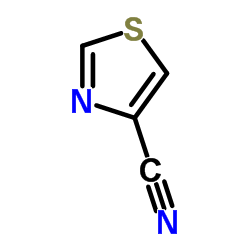
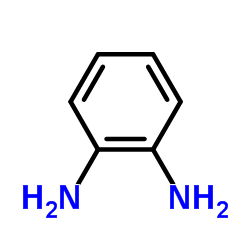
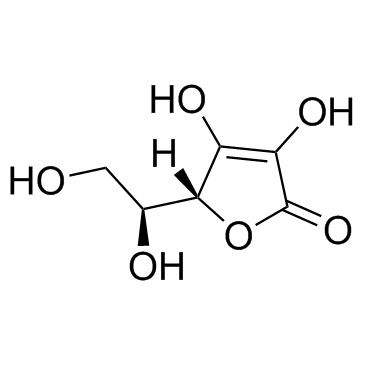
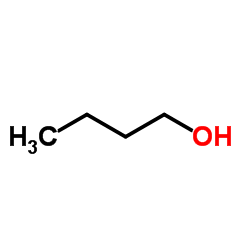
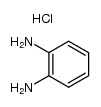
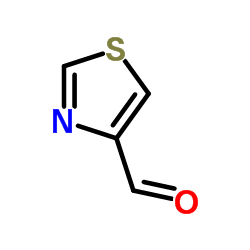


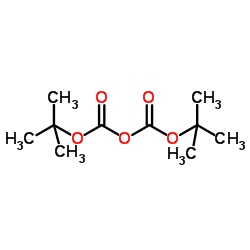
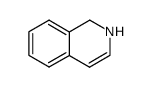
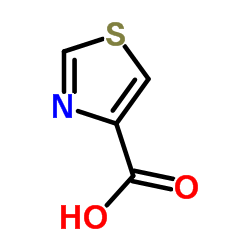
This table lists upstream starting materials and downstream derivative products related to this chemical.
| Precursor 10 | |
|---|---|
| DownStream 10 | |
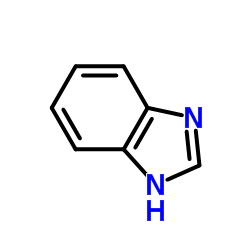 CAS#:51-17-2
 CAS#:5805-52-7
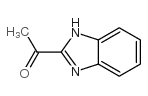 CAS#:939-70-8
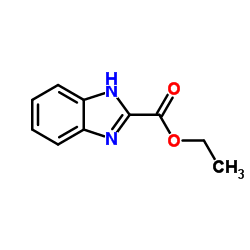 CAS#:1865-09-4
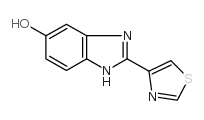 CAS#:948-71-0
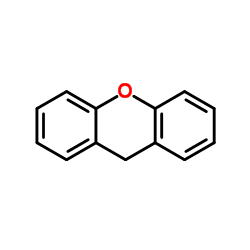 CAS#:92-83-1
![4-(5-nitro-1H-benzo[d]imidazol-2-yl)thiazole structure](https://image.chemsrc.com/caspic/338/3575-05-1.png) CAS#:3575-05-1
CAS#:3575-05-1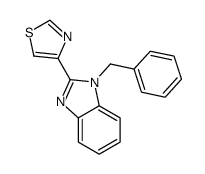 CAS#:33705-43-0
 CAS#:32594-70-0
 CAS#:945-65-3
This table shows customs‑related data including HS‑code, tariff and regulatory conditions for import and export.
| HS Code | 2934100015 |
|---|---|
| Summary | 2934100015 2,4-dimethyl-n-phenylthiazole-5-carboxamide。supervision conditions:s(import or export registration certificate for pesticides)。VAT:17.0%。tax rebate rate:9.0%。MFN tarrif:6.5%。general tariff:20.0% |
This table lists relevant public references with title, journal and publication metadata for this compound.
|
Cheminformatics analysis of assertions mined from literature that describe drug-induced liver injury in different species.
Chem. Res. Toxicol. 23 , 171-83, (2010) Drug-induced liver injury is one of the main causes of drug attrition. The ability to predict the liver effects of drug candidates from their chemical structures is critical to help guide experimental... |
|
|
Translating clinical findings into knowledge in drug safety evaluation--drug induced liver injury prediction system (DILIps).
J. Sci. Ind. Res. 65(10) , 808, (2006) Drug-induced liver injury (DILI) is a significant concern in drug development due to the poor concordance between preclinical and clinical findings of liver toxicity. We hypothesized that the DILI typ... |
|
|
Pen-on-paper approach toward the design of universal surface enhanced Raman scattering substrates.
Small 10(15) , 3065-71, (2014) The translation of a technology from the laboratory into the real world should meet the demand of economic viability and operational simplicity. Inspired by recent advances in conductive ink pens for ... |
This table contains target information, in‑vitro & in‑vivo assay data for this compound.
This table collects all English aliases, systematic names and CAS‑related synonyms of the compound.
| Arbotect |
| Tresaderm |
| 2-(thiazol-4-yl)benzimidazole |
| Mintezol |
| 2-(4-Thiazolyl)benzimidazole,Thiabendazole |
| 2-(4-thiazolyl)-1H-benzimidazole |
| TBZ |
| 2-(4-Thiazolyl)benzimidazole |
| 4-(1H-Benzo[d]imidazol-2-yl)thiazole |
| 2-(4-Thiazoly)benzimidazole |
| EINECS 205-725-8 |
| Tiabendazole |
| 2-(1,3-Thiazol-4-yl)-1H-benzimidazole |
| 2-(1,3-thiazol-4-yl)benzimidazole |
| MFCD00005587 |
| Thiabendazole |
| 2-(1,3-thiazol-4-yl)-1H-1,3-benzimidazole |
This section contains frequently‑asked‑questions about this compound, including basic parameters, properties, storage conditions and corresponding answers.
| Q: What is the SMILES notation of thiabendazole? |
| A: SMILES notation of thiabendazole is c1ccc2[nH]c(-c3cscn3)nc2c1. |
| Q: How is the water solubility of thiabendazole? |
| A: Water solubility of thiabendazole: 0.005 g/100 mL. |
| Q: What English synonyms does thiabendazole have? |
| A: English synonyms of thiabendazole: Arbotect, Tresaderm, 2-(thiazol-4-yl)benzimidazole, Mintezol, 2-(4-Thiazolyl)benzimidazole,Thiabendazole, 2-(4-thiazolyl)-1H-benzimidazole, TBZ, 2-(4-Thiazolyl)benzimidazole, 4-(1H-Benzo[d]imidazol-2-yl)thiazole, 2-(4-Thiazoly)benzimidazole, EINECS 205-725-8, Tiabendazole, 2-(1,3-Thiazol-4-yl)-1H-benzimidazole, 2-(1,3-thiazol-4-yl)benzimidazole, MFCD00005587, Thiabendazole, 2-(1,3-thiazol-4-yl)-1H-1,3-benzimidazole. |
| Q: What are the downstream products of thiabendazole? |
| A: Related downstream products(CAS) of thiabendazole: 51-17-2;5805-52-7;939-70-8;1865-09-4;948-71-0;92-83-1;3575-05-1;33705-43-0;32594-70-0;945-65-3. |
| Q: What is the InChIKey of thiabendazole? |
| A: InChIKey of thiabendazole is WJCNZQLZVWNLKY-UHFFFAOYSA-N. |
| Q: What is the CAS number of thiabendazole? |
| A: CAS number of thiabendazole is 148-79-8. |
| Q: What is the molecular formula of thiabendazole? |
| A: Molecular formula of thiabendazole is C10H7N3S. |
| Q: What are the upstream materials of thiabendazole? |
| A: Related upstream materials(CAS) of thiabendazole: 1452-15-9;95-54-5;50-81-7;71-36-3;39145-59-0;3364-80-5;5329-14-6;13195-64-7;24424-99-5;2859-58-7. |
| Q: What is the boiling point of thiabendazole? |
| A: Boiling point of thiabendazole is 446.0±37.0 °C at 760 mmHg. |
| Q: What is the melting point of thiabendazole? |
| A: Melting point of thiabendazole is 298-301ºC. |
This table lists manufacturers and suppliers of this compound, including vendor names and product supply reference information.
| Shanghai Nianxing Industrial Co., Ltd |
| Dayang Chem (Hangzhou) Co., Ltd. |
| Henan Tianfu Chemical Co., Ltd. |