Phenacetin
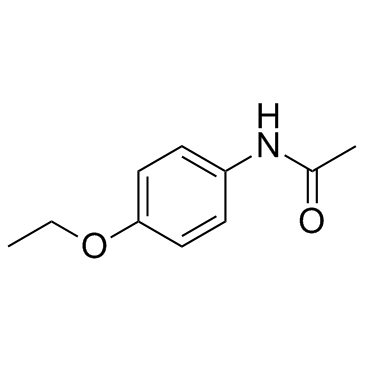
Phenacetin structure
|
Common Name | Phenacetin | ||
|---|---|---|---|---|
| CAS Number | 62-44-2 | Molecular Weight | 179.216 | |
| Density | 1.0±0.1 g/cm3 | Boiling Point | 323.6±44.0 °C at 760 mmHg | |
| Molecular Formula | C10H13NO2 | Melting Point | 133-136 °C(lit.) | |
| MSDS | Chinese USA | Flash Point | 149.5±28.4 °C | |
| Symbol |


GHS07, GHS08 |
Signal Word | Danger | |
Use of PhenacetinPhenacetin is a non-opioid analgesic without anti-inflammatory properties, inhibits COX-3 activity.Target: COXPhenacetin is a pain-relieving and fever-reducing drug, Phenacetin was withdrawn from the Canadian market in June 1973 due to concerns regarding nephropathy. the clinical and laboratory data were compatible with "phenacetin nephritis" as described in Europe and Australia and recently in the United States and Canada. This report evaluates the findings in the 23 cases and cautions against the use of phenacetin, particularly in patients with impaired renal function [1]. Phenacetin has been linked to renal papillary necrosis in human beings [2, 3]. |
This table lists Chinese names, IUPAC names and various aliases of this chemical substance.
| Name | phenacetin |
|---|---|
| Synonym | More Synonyms |
This table contains bioactivity, target information and biological‑assay experimental data of this compound.
| Description | Phenacetin is a non-opioid analgesic without anti-inflammatory properties, inhibits COX-3 activity.Target: COXPhenacetin is a pain-relieving and fever-reducing drug, Phenacetin was withdrawn from the Canadian market in June 1973 due to concerns regarding nephropathy. the clinical and laboratory data were compatible with "phenacetin nephritis" as described in Europe and Australia and recently in the United States and Canada. This report evaluates the findings in the 23 cases and cautions against the use of phenacetin, particularly in patients with impaired renal function [1]. Phenacetin has been linked to renal papillary necrosis in human beings [2, 3]. |
|---|---|
| Related Catalog | |
| Target |
COX-3:102 μM (IC50) |
| References |
[2]. Brix, A.E., Renal papillary necrosis. Toxicol Pathol, 2002. 30(6): p. 672-4. |
This table shows physicochemical parameters including melting point, boiling point, density, solubility and optical rotation. Missing data is marked as N/A.
| Density | 1.0±0.1 g/cm3 |
|---|---|
| Boiling Point | 323.6±44.0 °C at 760 mmHg |
| Melting Point | 133-136 °C(lit.) |
| Molecular Formula | C10H13NO2 |
| Molecular Weight | 179.216 |
| Flash Point | 149.5±28.4 °C |
| Exact Mass | 179.094635 |
| PSA | 38.33000 |
| LogP | 2.01 |
| Vapour Pressure | 0.0±0.7 mmHg at 25°C |
| Index of Refraction | 1.506 |
| InChIKey | CPJSUEIXXCENMM-UHFFFAOYSA-N |
| SMILES | CCOc1ccc(NC(C)=O)cc1 |
| Stability | Stable. Incompatible with strong oxidizing agents, strong acids. |
| Water Solubility | 0.076 g/100 mL |
This table provides MSDS information including hazard classification, first‑aid, fire‑fighting, spill handling, operation and storage instructions.
This table summarizes toxicological test data, acute & chronic toxicity and ecological hazard parameters for this chemical.
CHEMICAL IDENTIFICATION
HEALTH HAZARD DATAACUTE TOXICITY DATA
MUTATION DATA
|
This table covers safety warnings, protective measures, incompatible substances and disposal guidelines for this compound.
| Symbol |
GHS07, GHS08 |
|---|---|
| Signal Word | Danger |
| Hazard Statements | H302-H350 |
| Precautionary Statements | P201-P308 + P313 |
| Personal Protective Equipment | Eyeshields;full-face particle respirator type N100 (US);Gloves;respirator cartridge type N100 (US);type P1 (EN143) respirator filter;type P3 (EN 143) respirator cartridges |
| Hazard Codes | T:Toxic |
| Risk Phrases | R22;R45 |
| Safety Phrases | S53-S45 |
| RIDADR | 1230.0 |
| WGK Germany | 3 |
| RTECS | AM4375000 |
| HS Code | 2924291000 |
This table presents publicly reported synthetic routes, reaction conditions, reactants and product information of the compound.
This table lists upstream starting materials and downstream derivative products related to this chemical.
| Precursor 10 | |
|---|---|
| DownStream 10 | |
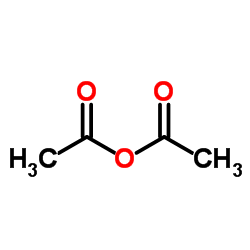 CAS#:108-24-7
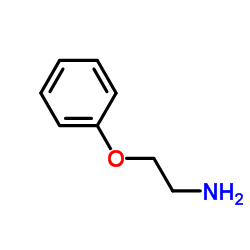 CAS#:156-43-4
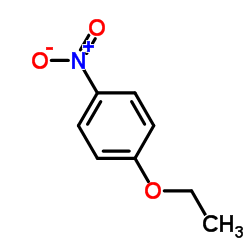 CAS#:100-29-8
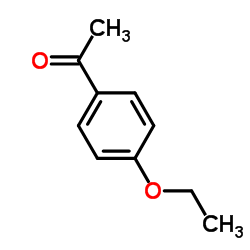 CAS#:1676-63-7
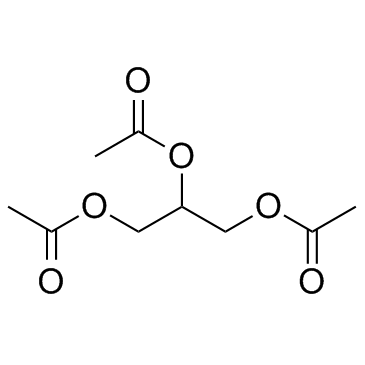 CAS#:102-76-1
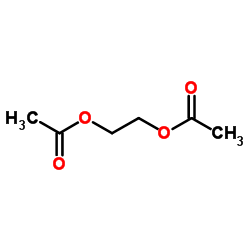 CAS#:111-55-7
 CAS#:141-78-6
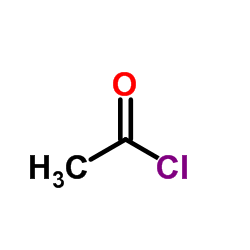 CAS#:75-36-5
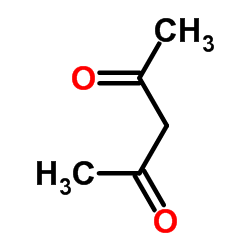 CAS#:123-54-6
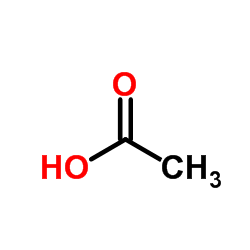 CAS#:64-19-7
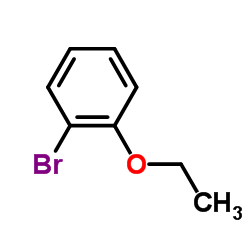 CAS#:583-19-7
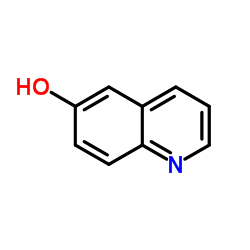 CAS#:580-16-5
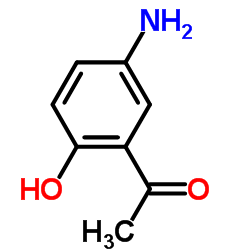 CAS#:50-80-6
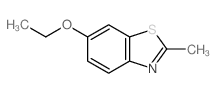 CAS#:18879-72-6
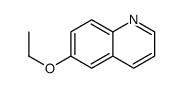 CAS#:22883-85-8
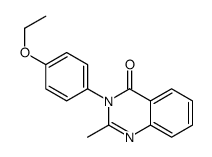 CAS#:1897-96-7
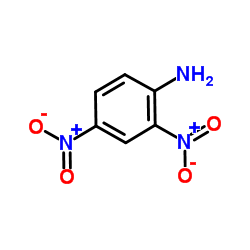 CAS#:97-02-9
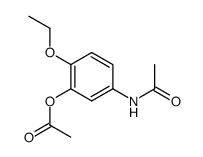 CAS#:55274-58-3
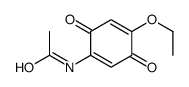 CAS#:24260-08-0
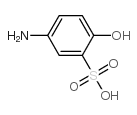 CAS#:2835-04-3
This table shows customs‑related data including HS‑code, tariff and regulatory conditions for import and export.
| HS Code | 2924291000 |
|---|
This table lists relevant public references with title, journal and publication metadata for this compound.
|
Cheminformatics analysis of assertions mined from literature that describe drug-induced liver injury in different species.
Chem. Res. Toxicol. 23 , 171-83, (2010) Drug-induced liver injury is one of the main causes of drug attrition. The ability to predict the liver effects of drug candidates from their chemical structures is critical to help guide experimental... |
|
|
Translating clinical findings into knowledge in drug safety evaluation--drug induced liver injury prediction system (DILIps).
J. Sci. Ind. Res. 65(10) , 808, (2006) Drug-induced liver injury (DILI) is a significant concern in drug development due to the poor concordance between preclinical and clinical findings of liver toxicity. We hypothesized that the DILI typ... |
|
|
The Japanese toxicogenomics project: application of toxicogenomics.
Mol. Nutr. Food. Res. 54 , 218-27, (2010) Biotechnology advances have provided novel methods for the risk assessment of chemicals. The application of microarray technologies to toxicology, known as toxicogenomics, is becoming an accepted appr... |
This table collects all English aliases, systematic names and CAS‑related synonyms of the compound.
| MFCD00009094 |
| Acetamide, N-(4-ethoxyphenyl)- (9CI) |
| N-(4-ethoxyphenyl)-acetamide |
| P-PHENACETIN |
| Achrocidin |
| p-ethoxyacetanilide |
| phenacetin |
| Phenacetine |
| phenacitin |
| Codempiral |
| Acetphenetidin |
| ACETOPHENETIDIN |
| Contradouleur |
| Acetophenetidine |
| Fenacetina |
| Acetophenetin |
| N-(4-Ethoxyphenyl)acetamide |
| (1E)-N-(4-Ethoxyphenyl)ethanimidic acid |
| N-acetyl-p-phenetidine |
| p-Acetophenetidide |
| N-(4-ethoxyphenol)acetamide |
| Aceto-p-phenetidin |
| EINECS 200-533-0 |
| 4'-ethoxyacetanilide |
| N-[4-(ethyloxy)phenyl]acetamide |
| N-Acetyl-para-phenetidine |
| N-Acetyl-4-ethoxyaniline |
This section contains frequently‑asked‑questions about this compound, including basic parameters, properties, storage conditions and corresponding answers.
| Q: What are the downstream products of phenacetin? |
| A: Related downstream products(CAS) of phenacetin: 583-19-7;580-16-5;50-80-6;18879-72-6;22883-85-8;1897-96-7;97-02-9;55274-58-3;24260-08-0;2835-04-3. |
| Q: What is the CAS number of phenacetin? |
| A: CAS number of phenacetin is 62-44-2. |
| Q: How is the water solubility of phenacetin? |
| A: Water solubility of phenacetin: 0.076 g/100 mL. |
| Q: What is the molecular formula of phenacetin? |
| A: Molecular formula of phenacetin is C10H13NO2. |
| Q: What is the English name of phenacetin? |
| A: The English name of phenacetin is phenacetin. |
| Q: What is the boiling point of phenacetin? |
| A: Boiling point of phenacetin is 323.6±44.0 °C at 760 mmHg. |
| Q: What is the safety information for phenacetin? |
| A: Safety information for phenacetin: S53-S45. |
| Q: What are the upstream materials of phenacetin? |
| A: Related upstream materials(CAS) of phenacetin: 108-24-7;156-43-4;100-29-8;1676-63-7;102-76-1;111-55-7;141-78-6;75-36-5;123-54-6;64-19-7. |
| Q: What is the polar surface area (PSA) of phenacetin? |
| A: Polar surface area (PSA) of phenacetin is 38.33000. |
| Q: What is the InChIKey of phenacetin? |
| A: InChIKey of phenacetin is CPJSUEIXXCENMM-UHFFFAOYSA-N. |
This table lists manufacturers and suppliers of this compound, including vendor names and product supply reference information.
| Shanghai Nianxing Industrial Co., Ltd |
| Dayang Chem (Hangzhou) Co., Ltd. |
| Henan Tianfu Chemical Co., Ltd. |