Acetyl-CoA

Acetyl-CoA structure
|
Common Name | Acetyl-CoA | ||
|---|---|---|---|---|
| CAS Number | 72-89-9 | Molecular Weight | 809.571 | |
| Density | 1.9±0.1 g/cm3 | Boiling Point | N/A | |
| Molecular Formula | C23H38N7O17P3S | Melting Point | N/A | |
| MSDS | N/A | Flash Point | N/A | |
Use of Acetyl-CoAAcetyl-coenzyme A (Acetyl-CoA) is a membrane-impermeant central metabolic intermediate, participates in the TCA cycle and oxidative phosphorylation metabolism. Acetyl-coenzyme A, regulates various cellular mechanisms by providing (sole donor) acetyl groups to target amino acid residues for post-translational acetylation reactions of proteins. Acetyl Coenzyme A is also a key precursor of lipid synthesis[1][2][3][4]. |
This table lists Chinese names, IUPAC names and various aliases of this chemical substance.
| Name | acetyl-CoA |
|---|---|
| Synonym | More Synonyms |
This table contains bioactivity, target information and biological‑assay experimental data of this compound.
| Description | Acetyl-coenzyme A (Acetyl-CoA) is a membrane-impermeant central metabolic intermediate, participates in the TCA cycle and oxidative phosphorylation metabolism. Acetyl-coenzyme A, regulates various cellular mechanisms by providing (sole donor) acetyl groups to target amino acid residues for post-translational acetylation reactions of proteins. Acetyl Coenzyme A is also a key precursor of lipid synthesis[1][2][3][4]. |
|---|---|
| Related Catalog | |
| Target |
Human Endogenous Metabolite |
| In Vitro | Acetyl coenzyme A 在饥饿的 U2OS 细胞中增加细胞质蛋白乙酰化,同时减少饥饿诱导的自噬通量。(U2OS 细胞稳定表达 GFP-LC3 并显微注射Acetyl coenzyme A; 在无营养条件下,用 100 nM BafA1 孵育 3 h 后固定)[2]。 |
| In Vivo | Acetyl coenzyme A 通过抑制适应不良的自噬来抑制压力超负荷诱导的小鼠心肌病[2][3]。被剥夺食物 (但可以随意饮水) 24 小时的小鼠在几个器官 (包括心脏和肌肉) 中表现出总 Acetyl coenzyme A 水平显着降低,对应于蛋白质乙酰化水平的降低。相同的实验条件对大脑中 Acetyl coenzyme A 的浓度没有重大影响,实际上会增加肝脏 Acetyl coenzyme A 和蛋白质乙酰化水平[4]。 |
| References |
This table shows physicochemical parameters including melting point, boiling point, density, solubility and optical rotation. Missing data is marked as N/A.
| Density | 1.9±0.1 g/cm3 |
|---|---|
| Molecular Formula | C23H38N7O17P3S |
| Molecular Weight | 809.571 |
| Exact Mass | 809.125793 |
| PSA | 425.34000 |
| LogP | -3.89 |
| Index of Refraction | 1.718 |
| InChIKey | ZSLZBFCDCINBPY-ZSJPKINUSA-N |
| SMILES | CC(=O)SCCNC(=O)CCNC(=O)C(O)C(C)(C)COP(=O)(O)OP(=O)(O)OCC1OC(n2cnc3c(N)ncnc32)C(O)C1OP(=O)(O)O |
This table presents publicly reported synthetic routes, reaction conditions, reactants and product information of the compound.
|
~%
Acetyl-CoA CAS#:72-89-9 |
| Literature: Journal of the American Chemical Society, , vol. 75, p. 2520 Journal of Biological Chemistry, , vol. 203, p. 869,872, 877 |
|
~%
Acetyl-CoA CAS#:72-89-9 |
| Literature: US2013/66035 A1, ; Page/Page column ; |
|
~%
Acetyl-CoA CAS#:72-89-9 |
| Literature: Biochemische Zeitschrift, , vol. 329, p. 175 Journal of Biological Chemistry, , vol. 199, p. 65,66 |
|
~%
Acetyl-CoA CAS#:72-89-9 |
| Literature: Bioscience, biotechnology, and biochemistry, , vol. 67, # 10 p. 2106 - 2114 |
|
~%
Acetyl-CoA CAS#:72-89-9 |
| Literature: Journal of the American Chemical Society, , vol. 74, p. 3205 |
|
~%
Acetyl-CoA CAS#:72-89-9 |
| Literature: Biochemistry, , vol. 51, # 13 p. 2795 - 2803 |
|
~%
Acetyl-CoA CAS#:72-89-9 |
| Literature: Organic Letters, , vol. 9, # 20 p. 3877 - 3880 |
|
~%
Acetyl-CoA CAS#:72-89-9 |
| Literature: Biochemistry, , vol. 50, # 39 p. 8407 - 8416 |
|
~%
Acetyl-CoA CAS#:72-89-9 |
| Literature: Biochemistry, , vol. 51, # 42 p. 8422 - 8434 |



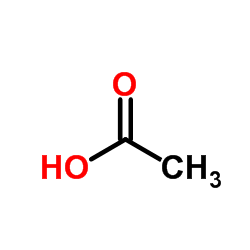
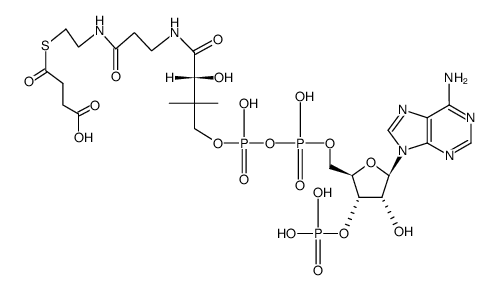
This table lists upstream starting materials and downstream derivative products related to this chemical.
| Precursor 9 | |
|---|---|
| DownStream 9 | |
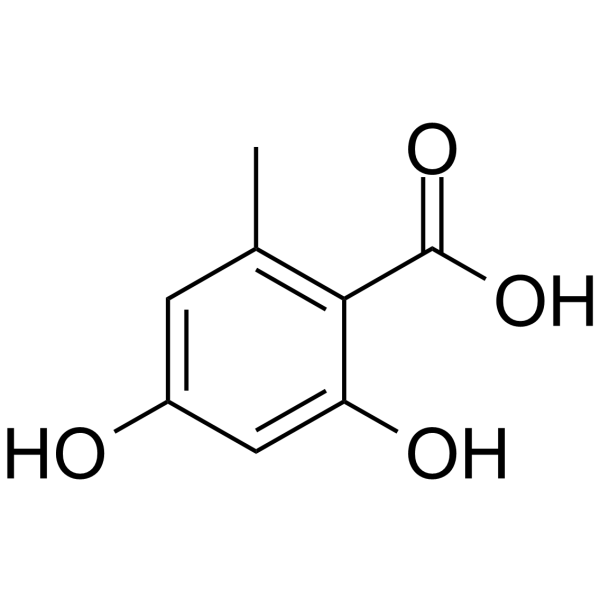 CAS#:480-64-8
 CAS#:543-24-8
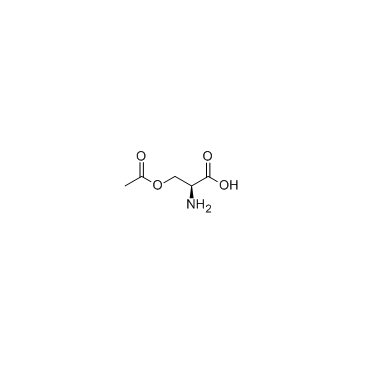 CAS#:5147-00-2
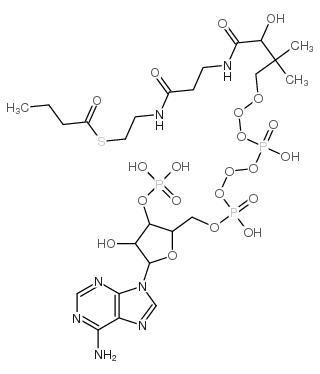 CAS#:2140-48-9
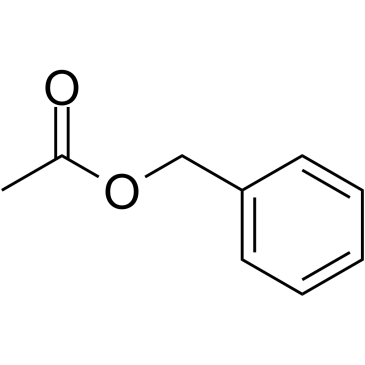 CAS#:140-11-4
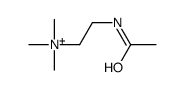 CAS#:26157-58-4
 CAS#:27548-93-2
This table collects all English aliases, systematic names and CAS‑related synonyms of the compound.
| acetylocholine |
| Azetylcholin |
| ac-CoA |
| Choline acetate |
| S-{(9R)-1-[(2R,3S,4R,5R)-5-(6-Amino-9H-purin-9-yl)-4-hydroxy-3-(phosphonooxy)tetrahydrofuran-2-yl]-3,5,9-trihydroxy-8,8-dimethyl-3,5-dioxido-10,14-dioxo-2,4,6-trioxa-11,15-diaza-3λ,5λ-diphosphaheptadecan-17-yl} ethanethioate (non-preferred name) |
| Acetyl-CoenzymeA |
| S-ACETYL COENZYME A |
| acetyl CoA |
| Acetyl-CoA,Tri-Na |
| O-Acetylcholine |
| S-acetylcoenzyme A |
| [3H]-Acetylcholine |
| Acetyl choline ion |
| [14C]-Acetyl-Coenzyme A |
| S-{(9R)-1-[(2R,3S,4R,5R)-5-(6-Amino-9H-purin-9-yl)-4-hydroxy-3-(phosphonooxy)tetrahydro-2-furanyl]-3,5,9-trihydroxy-8,8-dimethyl-3,5-dioxido-10,14-dioxo-2,4,6-trioxa-11,15-diaza-3λ,5λ-diphosphaheptadecan-17-yl} ethanethioate (non-preferred name) |
| Adenosine, 5'-O-[[[[(3R)-4-[[3-[[2-(acetylthio)ethyl]amino]-3-oxopropyl]amino]-3-hydroxy-2,2-dimethyl-4-oxobutoxy]hydroxyphosphinyl]oxy]hydroxyphosphinyl]-, 3'-(dihydrogen phosphate) |
| Coenzyme A S-Acetate |
| Choline acetate (ester) |
| trilithium,[2-[[[[4-[[3-(2-acetylsulfanylethylamino)-3-oxopropyl]amino]-3-hydroxy-2,2-dimethyl-4-oxobutoxy]-oxidophosphoryl]oxy-oxidophosphoryl]oxymethyl]-5-(6-aminopurin-9-yl)-4-hydroxyoxolan-3-yl] hydrogen phosphate,trihydrate |
| Acetyl coenzyme A |
| ac-S-CoA |
| S-{(9R)-1-[(2R,3S,4R,5R)-5-(6-Amino-9H-purin-9-yl)-4-hydroxy-3-(phosphonooxy)tetrahydro-2-furanyl]-3,5,9-trihydroxy-8,8-dimethyl-3,5-dioxido-10,14-dioxo-2,4,6-trioxa-11,15-diaza-3λ,5λ-diphosphaheptadecan-17-yl} ethanethioate |
| S-{(9R)-1-[(2R,3S,4R,5R)-5-(6-Amino-9H-purin-9-yl)-4-hydroxy-3-(phosphonooxy)tetrahydro-2-furanyl]-3,5,9-trihydroxy-8,8-dimethyl-3,5-dioxido-10,14-dioxo-2,4,6-trioxa-11,15-diaza-3λ,5λ- diphosphaheptadecan-17-yl} ethanethioate |
| [3H]-Acetyl-Coenzyme A |
| (2-Acetoxyethyl)trimethylammonium |
| Ach |
| acetyl-S-CoA |
| Acetylcholinum |
| acetylCoA |
| Acetyl-Coenzyme A |
| [14C]-Acetylcholine |
| Coenzyme A, S-acetate |
| acetylcholine |
| acetylcholine cation |
This section contains frequently‑asked‑questions about this compound, including basic parameters, properties, storage conditions and corresponding answers.
| Q: What is the polar surface area (PSA) of acetyl-CoA? |
| A: Polar surface area (PSA) of acetyl-CoA is 425.34000. |
| Q: What are the downstream products of acetyl-CoA? |
| A: Related downstream products(CAS) of acetyl-CoA: 480-64-8;543-24-8;85-61-0;5147-00-2;2140-48-9;140-11-4;26157-58-4;1420-36-6;27548-93-2. |
| Q: What are the uses of acetyl-CoA? |
| A: Main uses of acetyl-CoA: Acetyl-coenzyme A (Acetyl-CoA) is a membrane-impermeant central metabolic intermediate, participates in the TCA cycle and oxidative phosphorylation metabolism. Acetyl-coenzyme A, regulates various cellular mechanisms by providing (sole donor) acetyl groups to target amino acid residues for post-translational acetylation reactions of proteins. Acetyl Coenzyme A is also a key precursor of lipid synthesis[1][2][3][4]. |
| Q: What is the molecular formula of acetyl-CoA? |
| A: Molecular formula of acetyl-CoA is C23H38N7O17P3S. |
| Q: What is the English name of acetyl-CoA? |
| A: The English name of acetyl-CoA is acetyl-CoA. |
| Q: What is the InChIKey of acetyl-CoA? |
| A: InChIKey of acetyl-CoA is ZSLZBFCDCINBPY-ZSJPKINUSA-N. |
| Q: What is the CAS number of acetyl-CoA? |
| A: CAS number of acetyl-CoA is 72-89-9. |
| Q: What is the molecular weight of acetyl-CoA? |
| A: Molecular weight of acetyl-CoA is 809.571. |
| Q: What are the upstream materials of acetyl-CoA? |
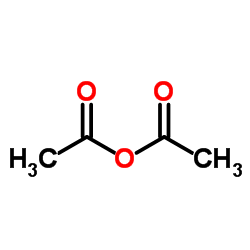
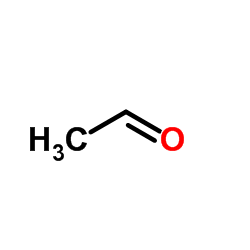
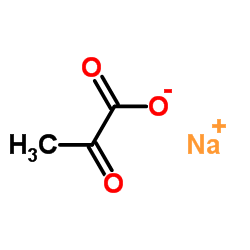
| A: Related upstream materials(CAS) of acetyl-CoA: 108-24-7;85-61-0;75-07-0;2466-76-4;34832-35-4;113-24-6;1420-36-6;64-19-7;604-98-8. |
| Q: What is the LogP of acetyl-CoA? |
| A: LogP of acetyl-CoA is -3.89. |