trans-4-phenylbut-3-en-2-one

trans-4-phenylbut-3-en-2-one structure
|
Common Name | trans-4-phenylbut-3-en-2-one | ||
|---|---|---|---|---|
| CAS Number | 1896-62-4 | Molecular Weight | 146.186 | |
| Density | 1.0±0.1 g/cm3 | Boiling Point | 260.8±9.0 °C at 760 mmHg | |
| Molecular Formula | C10H10O | Melting Point | 38.5-41ºC | |
| MSDS | Chinese USA | Flash Point | 65.6±0.0 °C | |
| Symbol |

GHS07 |
Signal Word | Warning | |
Use of trans-4-phenylbut-3-en-2-onetrans-Benzylideneacetone (trans-Benzalacetone), a metabolite of gram-negative entomopathogenic bacterium Xenorhabdus nematophila, is an enzyme inhibitor against phospholipase A2 (PLA2). trans-Benzylideneacetone is an immunosuppressant[1]. |
| Name | trans-benzylideneacetone |
|---|---|
| Synonym | More Synonyms |
| Description | trans-Benzylideneacetone (trans-Benzalacetone), a metabolite of gram-negative entomopathogenic bacterium Xenorhabdus nematophila, is an enzyme inhibitor against phospholipase A2 (PLA2). trans-Benzylideneacetone is an immunosuppressant[1]. |
|---|---|
| Related Catalog | |
| Target |
PLA2 |
| In Vitro | Benzylideneacetone (trans-Benzylideneacetone; 0.005, 0.05, 0.5, 5, 50, 500, 5000 μM) inhibits hemocytespreading behavior of hemocytes of S. exigua larvae. Benzylideneacetone enhances virulence of Bacillus thuringiensisagainst beet armyworm[1]. |
| References |
| Density | 1.0±0.1 g/cm3 |
|---|---|
| Boiling Point | 260.8±9.0 °C at 760 mmHg |
| Melting Point | 38.5-41ºC |
| Molecular Formula | C10H10O |
| Molecular Weight | 146.186 |
| Flash Point | 65.6±0.0 °C |
| Exact Mass | 146.073166 |
| PSA | 17.07000 |
| LogP | 2.17 |
| Vapour Pressure | 0.0±0.5 mmHg at 25°C |
| Index of Refraction | 1.563 |
| InChIKey | BWHOZHOGCMHOBV-BQYQJAHWSA-N |
| SMILES | CC(=O)C=Cc1ccccc1 |
| Water Solubility | practically insoluble |
Synonym:trans-Benzalacetone; trans-Benzylideneacetone; 3-Buten-2-one, 4-phenyl-, (E)-; Methyl trans-styryl ketone; TPBO; trans-4-Phenylbut-3-en-2-on Section 2 - COMPOSITION, INFORMATION ON INGREDIENTS
Risk Phrases: 36/37/38 Section 3 - HAZARDS IDENTIFICATION EMERGENCY OVERVIEW
Irritating to eyes, respiratory system and skin.Light sensitive. Potential Health Effects Eye: Causes eye irritation. May cause chemical conjunctivitis. Skin: Causes skin irritation. Ingestion: May cause gastrointestinal irritation with nausea, vomiting and diarrhea. Inhalation: Causes respiratory tract irritation. Can produce delayed pulmonary edema. Chronic: Effects may be delayed. Section 4 - FIRST AID MEASURES Eyes: Immediately flush eyes with plenty of water for at least 15 minutes, occasionally lifting the upper and lower eyelids. Get medical aid. Skin: Get medical aid. Flush skin with plenty of water for at least 15 minutes while removing contaminated clothing and shoes. Wash clothing before reuse. Ingestion: Never give anything by mouth to an unconscious person. Get medical aid. Do NOT induce vomiting. If conscious and alert, rinse mouth and drink 2-4 cupfuls of milk or water. Inhalation: Remove from exposure and move to fresh air immediately. If not breathing, give artificial respiration. If breathing is difficult, give oxygen. Get medical aid. Do NOT use mouth-to-mouth resuscitation. Notes to Physician: Treat symptomatically and supportively. Section 5 - FIRE FIGHTING MEASURES General Information: As in any fire, wear a self-contained breathing apparatus in pressure-demand, MSHA/NIOSH (approved or equivalent), and full protective gear. During a fire, irritating and highly toxic gases may be generated by thermal decomposition or combustion. Extinguishing Media: Use water spray, dry chemical, carbon dioxide, or appropriate foam. Section 6 - ACCIDENTAL RELEASE MEASURES General Information: Use proper personal protective equipment as indicated in Section 8. Spills/Leaks: Absorb spill with inert material (e.g. vermiculite, sand or earth), then place in suitable container. Avoid generating dusty conditions. Provide ventilation. Section 7 - HANDLING and STORAGE Handling: Remove contaminated clothing and wash before reuse. Avoid contact with eyes, skin, and clothing. Avoid ingestion and inhalation. Store protected from light. Use only in a chemical fume hood. Wash clothing before reuse. Storage: Store in a tightly closed container. Store in a cool, dry, well-ventilated area away from incompatible substances. Store protected from light. Section 8 - EXPOSURE CONTROLS, PERSONAL PROTECTION Engineering Controls: Facilities storing or utilizing this material should be equipped with an eyewash facility and a safety shower. Use adequate ventilation to keep airborne concentrations low. Exposure Limits CAS# 1896-62-4: Personal Protective Equipment Eyes: Wear appropriate protective eyeglasses or chemical safety goggles as described by OSHA's eye and face protection regulations in 29 CFR 1910.133 or European Standard EN166. Skin: Wear appropriate protective gloves to prevent skin exposure. Clothing: Wear appropriate protective clothing to prevent skin exposure. Respirators: A respiratory protection program that meets OSHA's 29 CFR 1910.134 and ANSI Z88.2 requirements or European Standard EN 149 must be followed whenever workplace conditions warrant respirator use. Section 9 - PHYSICAL AND CHEMICAL PROPERTIES Physical State: Crystals Color: yellowish Odor: coumarin pH: Not available. Vapor Pressure: 0.009 mmHg @ 25 Viscosity: Not available. Boiling Point: 260 - 262 deg C @ 7 Freezing/Melting Point: 39.8 deg C Autoignition Temperature: Not applicable. Flash Point: 122 deg C ( 251.60 deg F) Explosion Limits, lower: Not available. Explosion Limits, upper: Not available. Decomposition Temperature: Not available. Solubility in water: Negligible. Specific Gravity/Density: Not available. Molecular Formula: C6H5CH=CHCOCH3 Molecular Weight: 146.19 Section 10 - STABILITY AND REACTIVITY Chemical Stability: Stable at room temperature in closed containers under normal storage and handling conditions. May discolor on exposure to light. Conditions to Avoid: Incompatible materials, light, dust generation, excess heat. Incompatibilities with Other Materials: Direct light, strong oxidizing agents. Hazardous Decomposition Products: Carbon monoxide, irritating and toxic fumes and gases, carbon dioxide. Hazardous Polymerization: Has not been reported. Section 11 - TOXICOLOGICAL INFORMATION RTECS#: CAS# 1896-62-4: EN0330050 LD50/LC50: Not available. Carcinogenicity: trans-4-Phenyl-3-buten-2-one - Not listed by ACGIH, IARC, or NTP. Other: See actual entry in RTECS for complete information. Section 12 - ECOLOGICAL INFORMATION Section 13 - DISPOSAL CONSIDERATIONS Dispose of in a manner consistent with federal, state, and local regulations. Section 14 - TRANSPORT INFORMATION IATA Not regulated as a hazardous material. IMO Not regulated as a hazardous material. RID/ADR Not regulated as a hazardous material. Section 15 - REGULATORY INFORMATION European/International Regulations European Labeling in Accordance with EC Directives Hazard Symbols: XI Risk Phrases: R 36/37/38 Irritating to eyes, respiratory system and skin. Safety Phrases: S 26 In case of contact with eyes, rinse immediately with plenty of water and seek medical advice. S 37/39 Wear suitable gloves and eye/face protection. WGK (Water Danger/Protection) CAS# 1896-62-4: No information available. Canada None of the chemicals in this product are listed on the DSL/NDSL list. CAS# 1896-62-4 is not listed on Canada's Ingredient Disclosure List. US FEDERAL TSCA CAS# 1896-62-4 is not listed on the TSCA inventory. It is for research and development use only. SECTION 16 - ADDITIONAL INFORMATION N/A |
CHEMICAL IDENTIFICATION
HEALTH HAZARD DATAACUTE TOXICITY DATAMUTATION DATA
|
| Symbol |
GHS07 |
|---|---|
| Signal Word | Warning |
| Hazard Statements | H315-H317-H319-H335 |
| Precautionary Statements | P261-P280-P305 + P351 + P338 |
| Personal Protective Equipment | dust mask type N95 (US);Eyeshields;Faceshields;Gloves |
| Hazard Codes | Xi:Irritant |
| Risk Phrases | R36/37/38 |
| Safety Phrases | S26-S37/39 |
| RIDADR | NONH for all modes of transport |
| WGK Germany | 3 |
| RTECS | EN0330050 |
| HS Code | 2914399090 |
| Precursor 10 | |
|---|---|
| DownStream 10 | |
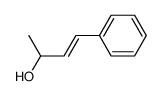 CAS#:36004-04-3
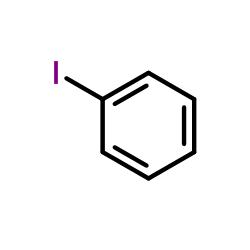 CAS#:591-50-4
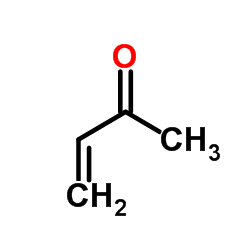 CAS#:78-94-4
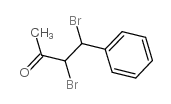 CAS#:6310-44-7
 CAS#:17488-65-2
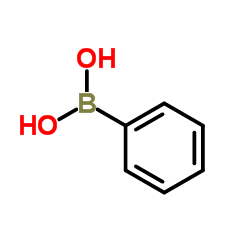 CAS#:98-80-6
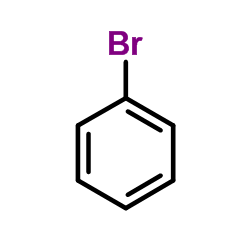 CAS#:108-86-1
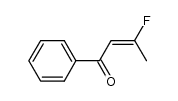 CAS#:1198158-20-1
 CAS#:72047-50-8
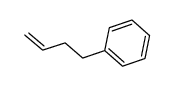 CAS#:768-56-9
 CAS#:111602-13-2
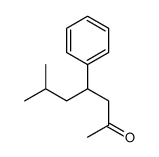 CAS#:107771-22-2
![4-[dimethyl(phenyl)silyl]-4-phenylbutan-2-one structure](https://image.chemsrc.com/caspic/376/100103-32-0.png) CAS#:100103-32-0
CAS#:100103-32-0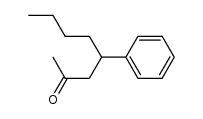 CAS#:35583-33-6
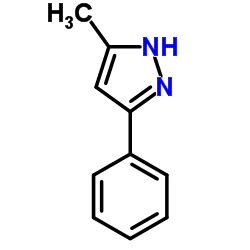 CAS#:3347-62-4
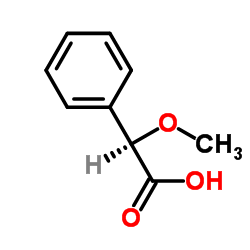 CAS#:3966-32-3
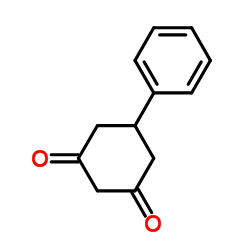 CAS#:493-72-1
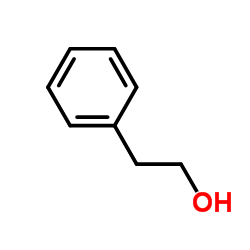 CAS#:98-85-1
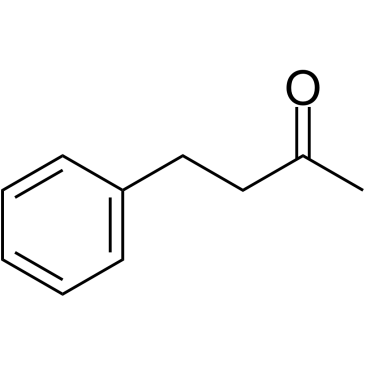 CAS#:2550-26-7
| HS Code | 2914399090 |
|---|---|
| Summary | 2914399090. other aromatic ketones without other oxygen function. VAT:17.0%. Tax rebate rate:13.0%. . MFN tariff:5.5%. General tariff:30.0% |
|
Multiple UDP-glucuronosyltransferases in human liver microsomes glucuronidate both R- and S-7-hydroxywarfarin into two metabolites.
Arch. Biochem. Biophys. 564 , 244-53, (2014) The widely used anticoagulant Coumadin (R/S-warfarin) undergoes oxidation by cytochromes P450 into hydroxywarfarins that subsequently become conjugated for excretion in urine. Hydroxywarfarins may mod... |
|
|
Dehydrozingerone, chalcone, and isoeugenol analogues as in vitro anticancer agents.
J. Nat. Prod. 69 , 1445-9, (2006) Twenty-eight compounds related to dehydrozingerone (1), isoeugenol (3), and 2-hydroxychalcone (4) were synthesized and evaluated in vitro against human tumor cell replication. Except for isoeugenol an... |
|
|
Microbial production of 4-hydroxybenzylidene acetone, the direct precursor of raspberry ketone.
Lett. Appl. Microbiol. 45(1) , 29-35, (2007) To investigate the enzymatic aldol reaction between acetone as a donor and 4-hydroxybenzaldehyde as a receptor to generate 4-(4-hydroxyphenyl)-but-3-ene-2-one or 4-hydroxybenzylidene acetone, the dire... |
|
Name: Luminescence-based cell-based primary high throughput screening assay to identify ago...
Source: The Scripps Research Institute Molecular Screening Center
Target: mu-type opioid receptor isoform MOR-1 [Homo sapiens]
External Id: OPRM1-OPRD1_AG_LUMI_1536_1X%ACT PRUN
|
|
Name: Fluorescence-based cell-based primary high throughput screening assay to identify ago...
Source: The Scripps Research Institute Molecular Screening Center
Target: muscarinic acetylcholine receptor M1 [Homo sapiens]
External Id: CHRM1_AG_FLUO8_1536_1X%ACT PRUN
|
|
Name: Cytochrome P450 Family 1 Subfamily A Member 2 (CYP1A2) small molecule antagonists: lu...
Source: 824
External Id: CYP273
|
|
Name: Potentiation of 1000 ppm Bacillus thuringiensis-induced pathogenicity against Plutell...
Source: ChEMBL
Target: Plutella xylostella
External Id: CHEMBL3067597
|
|
Name: Insecticidal activity against Plutella xylostella (diamondback moth) fourth-instar la...
Source: ChEMBL
Target: Plutella xylostella
External Id: CHEMBL3067598
|
|
Name: Inhibition of immune responses in Spodoptera exigua fifth-instar larvae assessed as i...
Source: ChEMBL
Target: Spodoptera exigua
External Id: CHEMBL3068037
|
|
Name: Inhibition of phenoloxidase activity in hemolymph of Spodoptera exigua fifth-instar l...
Source: ChEMBL
Target: Phenol oxidase
External Id: CHEMBL3068038
|
|
Name: Inhibition of PLA2 in hemocytes of Spodoptera exigua fifth-instar larvae using pyrene...
Source: ChEMBL
Target: N/A
External Id: CHEMBL3068039
|
|
Name: Fluorescence-based cell-based primary high throughput screening assay to identify pos...
Source: The Scripps Research Institute Molecular Screening Center
Target: muscarinic acetylcholine receptor M1 [Homo sapiens]
External Id: CHRM1_PAM_FLUO8_1536_1X%ACT PRUN
|
|
Name: Fluorescence polarization-based biochemical high throughput primary assay to identify...
Source: The Scripps Research Institute Molecular Screening Center
Target: RecName: Full=Sialate O-acetylesterase; AltName: Full=H-Lse; AltName: Full=Sialic acid-specific 9-O-acetylesterase; Flags: Precursor [Homo sapiens]
External Id: SIAE_INH_FP_1536_1X%INH PRUN
|
| Benzylideneacetone |
| benzylidene-2,4,6-trimethylacetophenone |
| Benzal-3-nitroaniline |
| trans-4-Phenyl-3-buten-2-one |
| (E)-4-Phenyl-3-buten-2-one |
| 2',4',6'-Trimethyl-chalkon |
| N-benzylidene-3-nitro-aniline |
| Benzal-m-nitroaniline |
| mesityl styryl ketone |
| PhCH=NC6H4-NO2-m |
| EINECS 204-555-1 |
| ANILINE,N-BENZYLIDENE-m-NITRO |
| 4-phenylbut-3-en-2-one |
| Benzylidene acetone |
| 2',4',6'-trimethyl-chalcone |
| benzalacetomesitylene |
| MFCD00008779 |
| 4-Phenyl-3-buten-2-one |
| N-Benzylidene-m-nitroaniline |
| WLN: WNR CNU1R |
| (E)-4-Phenylbut-3-en-2-one |
| trans-Benzylidenacetone |
| N-Benzyliden-3-nitro-anilin |
The content on this webpage is sourced from various professional data sources. If you have any questions or concerns regarding the content, please feel free to contact service1@chemsrc.com.
- Shanghai Nianxing Industrial Co., Ltd
- China
- Product Name: trans-4-phenylbut-3-en-2-one
- Price: Check
- Purity: 98.0%
- Delivery: 10 Day
- Contact: Yang
- Email: sales@echemcloud.com
- Dayang Chem (Hangzhou) Co., Ltd.
- China
- Product Name: (E)-4-Phenyl-3-buten-2-one TOP1 supplier
- Price: $Inquiry/100g $Inquiry/1kg $Inquiry/100kg $Inquiry/1000kg
- Purity: 98.0%
- Delivery: Inquiry
- Contact: Ms Wang
- Email: enquiry@dycnchem.com
- Henan Tianfu Chemical Co., Ltd.
- China
- Product Name: (E)-4-Phenyl-3-buten-2-one 1896-62-4
- Price: $Inquiry/1kg $Inquiry/25kg $Inquiry/1000kg $Inquiry/10ton
- Purity: 99.0%
- Delivery: Inquiry
- Contact: Anson
- Email: info@tianfuchem.com
- Zhongshan Xingrui Chemical Co. , Ltd.
- China
- Product Name: trans-4-phenylbut-3-en-2-one
- Price: ¥Inquiry/25kg
- Purity: 99.0%
- Delivery: Inquiry
- Contact: Wang Jie

- Email: 3096638339@qq.com
Get all suppliers and price by the below link: