Boc-Ser-OH
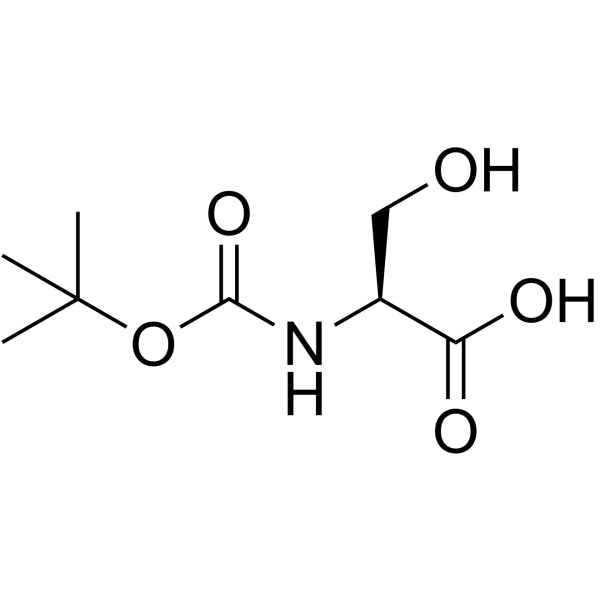
Boc-Ser-OH structure
|
Common Name | Boc-Ser-OH | ||
|---|---|---|---|---|
| CAS Number | 3262-72-4 | Molecular Weight | 205.208 | |
| Density | 1.2±0.1 g/cm3 | Boiling Point | 385.1±37.0 °C at 760 mmHg | |
| Molecular Formula | C8H15NO5 | Melting Point | 91 °C (dec.)(lit.) | |
| MSDS | Chinese USA | Flash Point | 186.7±26.5 °C | |
Use of Boc-Ser-OH(S)-2-((tert-Butoxycarbonyl)amino)-3-hydroxypropanoic acid is a serine derivative[1]. |
This table lists Chinese names, IUPAC names and various aliases of this chemical substance.
| Name | BOC-L-Serine |
|---|---|
| Synonym | More Synonyms |
This table contains bioactivity, target information and biological‑assay experimental data of this compound.
| Description | (S)-2-((tert-Butoxycarbonyl)amino)-3-hydroxypropanoic acid is a serine derivative[1]. |
|---|---|
| Related Catalog | |
| In Vitro | Amino acids and amino acid derivatives have been commercially used as ergogenic supplements. They influence the secretion of anabolic hormones, supply of fuel during exercise, mental performance during stress related tasks and prevent exercise induced muscle damage. They are recognized to be beneficial as ergogenic dietary substances[1]. |
| References |
This table shows physicochemical parameters including melting point, boiling point, density, solubility and optical rotation. Missing data is marked as N/A.
| Density | 1.2±0.1 g/cm3 |
|---|---|
| Boiling Point | 385.1±37.0 °C at 760 mmHg |
| Melting Point | 91 °C (dec.)(lit.) |
| Molecular Formula | C8H15NO5 |
| Molecular Weight | 205.208 |
| Flash Point | 186.7±26.5 °C |
| Exact Mass | 205.095016 |
| PSA | 95.86000 |
| LogP | 0.22 |
| Vapour Pressure | 0.0±2.0 mmHg at 25°C |
| Index of Refraction | 1.486 |
| InChIKey | FHOAKXBXYSJBGX-YFKPBYRVSA-N |
| SMILES | CC(C)(C)OC(=O)NC(CO)C(=O)O |
| Storage condition | 2~8°C |
This table provides MSDS information including hazard classification, first‑aid, fire‑fighting, spill handling, operation and storage instructions.
This table covers safety warnings, protective measures, incompatible substances and disposal guidelines for this compound.
| Personal Protective Equipment | Eyeshields;Gloves;type N95 (US);type P1 (EN143) respirator filter |
|---|---|
| Hazard Codes | Xn |
| Risk Phrases | R20/21/22 |
| Safety Phrases | S24/25 |
| RIDADR | NONH for all modes of transport |
| WGK Germany | 3 |
| HS Code | 2924199090 |
This table presents publicly reported synthetic routes, reaction conditions, reactants and product information of the compound.
This table lists upstream starting materials and downstream derivative products related to this chemical.
| Precursor 8 | |
|---|---|
| DownStream 10 | |
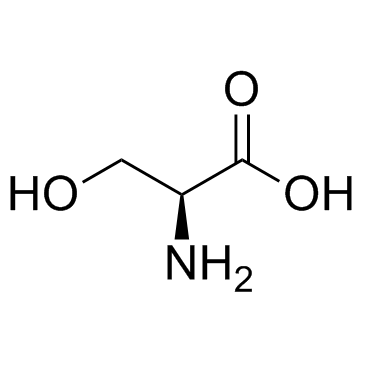 CAS#:56-45-1
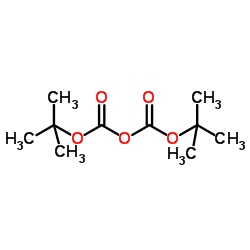 CAS#:24424-99-5
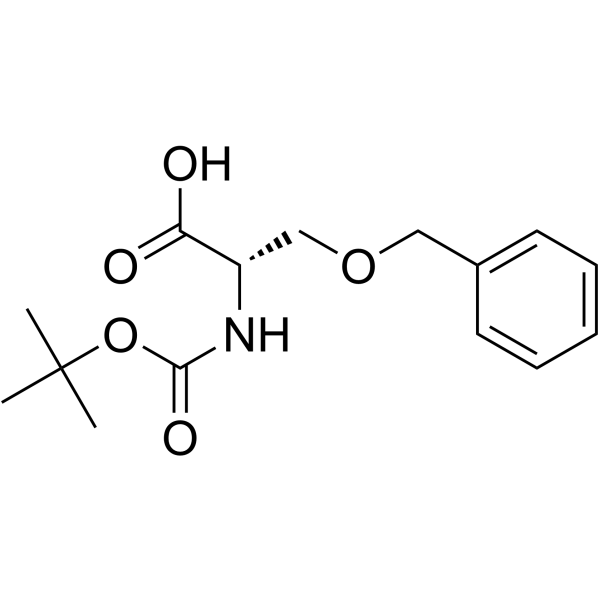 CAS#:23680-31-1
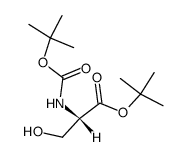 CAS#:71630-31-4
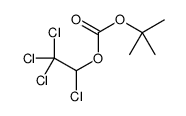 CAS#:98015-52-2
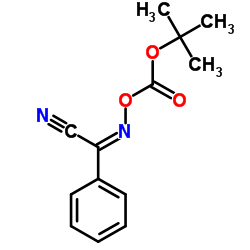 CAS#:58632-95-4
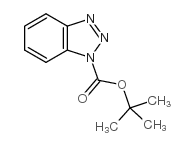 CAS#:130384-98-4
![benzyl (2S)-2-[(2-methylpropan-2-yl)oxycarbonylamino]-3-phenylmethoxypropanoate Structure](https://image.chemsrc.com/caspic/255/69871-79-0.png) CAS#:69871-79-0
CAS#:69871-79-0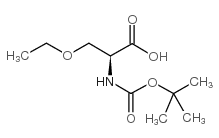 CAS#:104839-00-1
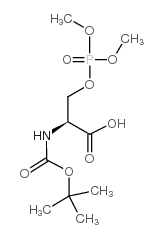 CAS#:109539-01-7
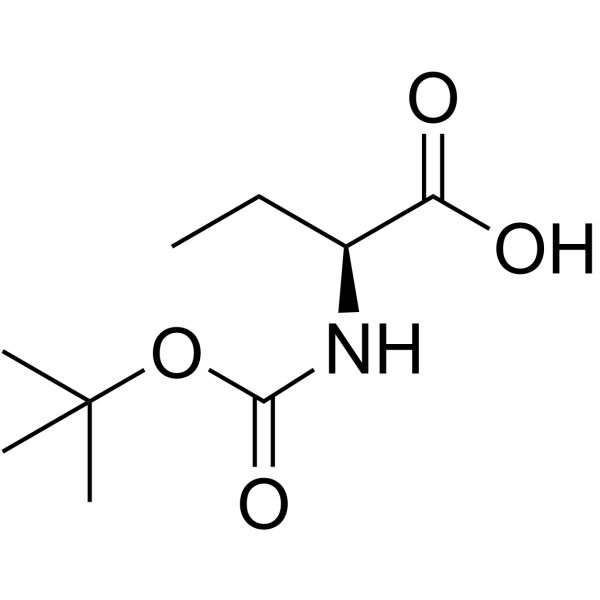 CAS#:34306-42-8
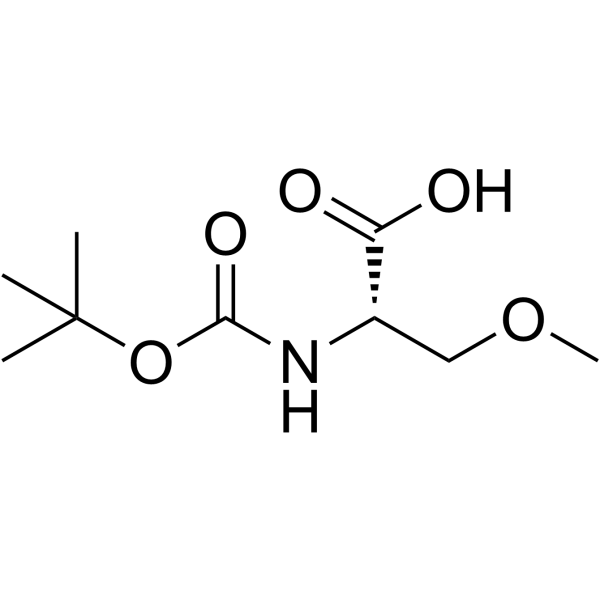 CAS#:51293-47-1
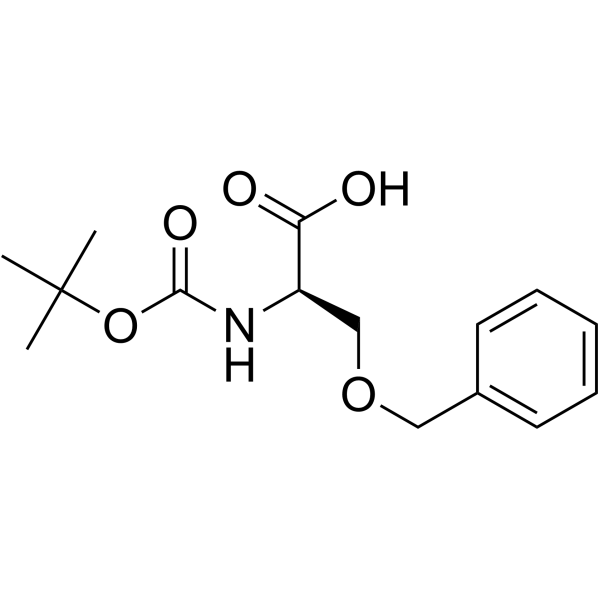 CAS#:47173-80-8
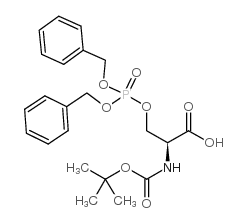 CAS#:90013-45-9
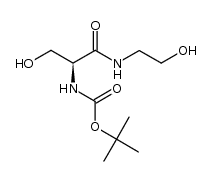 CAS#:311342-97-9
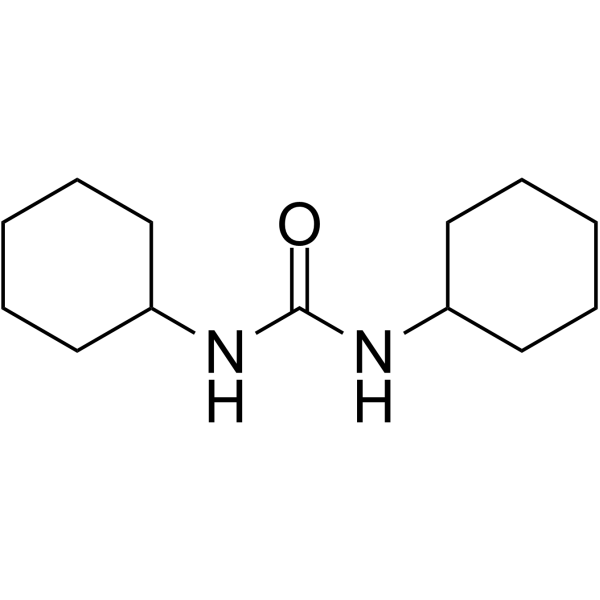 CAS#:2387-23-7
![Carbamic acid,N-[(1S)-1-(hydroxymethyl)-2-oxo-2-[(phenylmethoxy)amino]ethyl]-,1,1-dimethylethyl ester structure](https://image.chemsrc.com/caspic/445/26048-92-0.png) CAS#:26048-92-0
CAS#:26048-92-0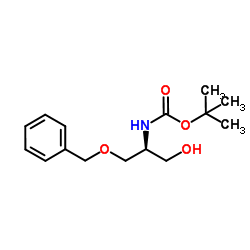 CAS#:79069-15-1
This table shows customs‑related data including HS‑code, tariff and regulatory conditions for import and export.
| HS Code | 2924199090 |
|---|---|
| Summary | 2924199090. other acyclic amides (including acyclic carbamates) and their derivatives; salts thereof. VAT:17.0%. Tax rebate rate:13.0%. . MFN tariff:6.5%. General tariff:30.0% |
This table lists relevant public references with title, journal and publication metadata for this compound.
|
Unraveling the interplay of backbone rigidity and electron rich side-chains on electron transfer in peptides: the realization of tunable molecular wires.
J. Am. Chem. Soc. 136(35) , 12479-88, (2014) Electrochemical studies are reported on a series of peptides constrained into either a 310-helix (1-6) or β-strand (7-9) conformation, with variable numbers of electron rich alkene containing side cha... |
|
|
Transport and signaling via the amino acid binding site of the yeast Gap1 amino acid transceptor.
Nat. Chem. Biol. 5 , 45-52, (2009) Transporter-related nutrient sensors, called transceptors, mediate nutrient activation of signaling pathways through the plasma membrane. The mechanism of action of transporting and nontransporting tr... |
|
|
In situ fabrication of cleavable peptide arrays on polydimethylsiloxane and applications for kinase activity assays.
Anal. Chim. Acta 865 , 53-9, (2015) Polydimethylsiloxane (PDMS) is widely used for microfabrication and bioanalysis; however, its surface functionalization is limited due to the lack of active functional groups and incompatibility with ... |
This table contains target information, in‑vitro & in‑vivo assay data for this compound.
|
Name: Inhibition of gastric H+/K(+)-ATPase activity in Sprague-Dawley rat microsomal vesicl...
Source: ChEMBL
Target: N/A
External Id: CHEMBL906102
|
|
Name: Antisecretory activity in rat pylorus ligation-induced ulcer model determined by rati...
Source: ChEMBL
Target: Rattus norvegicus
External Id: CHEMBL906103
|
|
Name: Antisecretory activity in rat pylorus ligation-induced ulcer model determined by rati...
Source: ChEMBL
Target: Rattus norvegicus
External Id: CHEMBL906104
|
|
Name: Inhibition of nitrogen-starved wild type sigma1278b yeast Gap1-mediated amino acid up...
Source: ChEMBL
Target: General amino-acid permease GAP1
External Id: CHEMBL1228071
|
This table collects all English aliases, systematic names and CAS‑related synonyms of the compound.
| Boc-L-serine |
| L-Serine-d3-N-t-BOC |
| (S)-2-(tert-Butoxycarbonylamino)-3-hydroxypropanoic acid |
| BOC-L-SERINE extrapure |
| t-butyloxycarbonyl-L-serine |
| N-Boc-L-serine |
| MFCD00037243 |
| N-{[(2-Methyl-2-propanyl)oxy]carbonyl}-L-serine |
| BOC-L-PROLINOL LIQUID |
| Boc-Ser-OH |
| BOC-SERINE-OH |
| EINECS 221-867-3 |
| BOC-L-SER-OH |
| (S)-2-((tert-Butoxycarbonyl)amino)-3-hydroxypropanoic acid |
| BOC-L-SER |
| N-(tert-Butoxycarbonyl)-L-serine,Boc-L-serine |
| BOC-SERINE |
| N-(tert-Butoxycarbonyl)-L-serine |
This section contains frequently‑asked‑questions about this compound, including basic parameters, properties, storage conditions and corresponding answers.
| Q: What is the molecular formula of BOC-L-Serine? |
| A: Molecular formula of BOC-L-Serine is C8H15NO5. |
| Q: What is the safety information for BOC-L-Serine? |
| A: Safety information for BOC-L-Serine: S24/25. |
| Q: What is the melting point of BOC-L-Serine? |
| A: Melting point of BOC-L-Serine is 91 °C (dec.)(lit.). |
| Q: What is the CAS number of BOC-L-Serine? |
| A: CAS number of BOC-L-Serine is 3262-72-4. |
| Q: What is the polar surface area (PSA) of BOC-L-Serine? |
| A: Polar surface area (PSA) of BOC-L-Serine is 95.86000. |
| Q: What are the storage conditions for BOC-L-Serine? |
| A: Storage conditions for BOC-L-Serine: 2~8°C. |
| Q: What is the LogP of BOC-L-Serine? |
| A: LogP of BOC-L-Serine is 0.22. |
| Q: What is the SMILES notation of BOC-L-Serine? |
| A: SMILES notation of BOC-L-Serine is CC(C)(C)OC(=O)NC(CO)C(=O)O. |
| Q: What is the English name of BOC-L-Serine? |
| A: The English name of BOC-L-Serine is BOC-L-Serine. |
| Q: What is the molecular weight of BOC-L-Serine? |
| A: Molecular weight of BOC-L-Serine is 205.208. |
This table lists manufacturers and suppliers of this compound, including vendor names and product supply reference information.
| Shanghai Nianxing Industrial Co., Ltd |
| Dayang Chem (Hangzhou) Co., Ltd. |