6-Aminocaproic acid
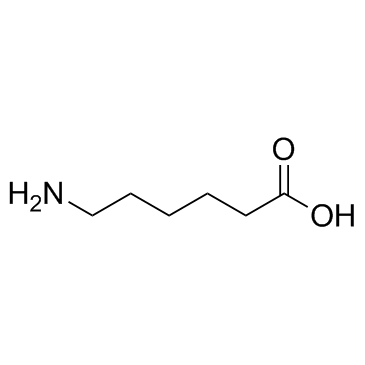
6-Aminocaproic acid structure
|
Common Name | 6-Aminocaproic acid | ||
|---|---|---|---|---|
| CAS Number | 60-32-2 | Molecular Weight | 131.173 | |
| Density | 1.0±0.1 g/cm3 | Boiling Point | 255.6±23.0 °C at 760 mmHg | |
| Molecular Formula | C6H13NO2 | Melting Point | 207-209 °C (dec.)(lit.) | |
| MSDS | Chinese USA | Flash Point | 108.4±22.6 °C | |
Use of 6-Aminocaproic acid6-Aminocaproic acid is an antifibrinolytic agent that acts by inhibiting plasminogen activators which have fibrinolytic properties.Target: Others6-aminohexanoic acid is a derivative and analogue of the amino acid lysine, which makes it an effective inhibitor for enzymes that bind that particular residue. Such enzymes include proteolytic enzymes like plasmin, the enzyme responsible for fibrinolysis. Aminocaproic acid is also an intermediate in the polymerization of Nylon-6, where it is formed by ring-opening hydrolysis of caprolactam.Aminocaproic acid is used to treat excessive postoperative bleeding, especially after procedures in which a great amount of bleeding is expected, such as cardiac surgery. Aminocaproic acid can also be used to treat the overdose and/or toxic effects of the thrombolytic pharmacologic agents tissue plasminogen activator and streptokinase [1, 2]. |
This table lists Chinese names, IUPAC names and various aliases of this chemical substance.
| Name | 6-aminohexanoate |
|---|---|
| Synonym | More Synonyms |
This table contains bioactivity, target information and biological‑assay experimental data of this compound.
| Description | 6-Aminocaproic acid is an antifibrinolytic agent that acts by inhibiting plasminogen activators which have fibrinolytic properties.Target: Others6-aminohexanoic acid is a derivative and analogue of the amino acid lysine, which makes it an effective inhibitor for enzymes that bind that particular residue. Such enzymes include proteolytic enzymes like plasmin, the enzyme responsible for fibrinolysis. Aminocaproic acid is also an intermediate in the polymerization of Nylon-6, where it is formed by ring-opening hydrolysis of caprolactam.Aminocaproic acid is used to treat excessive postoperative bleeding, especially after procedures in which a great amount of bleeding is expected, such as cardiac surgery. Aminocaproic acid can also be used to treat the overdose and/or toxic effects of the thrombolytic pharmacologic agents tissue plasminogen activator and streptokinase [1, 2]. |
|---|---|
| Related Catalog | |
| References |
This table shows physicochemical parameters including melting point, boiling point, density, solubility and optical rotation. Missing data is marked as N/A.
| Density | 1.0±0.1 g/cm3 |
|---|---|
| Boiling Point | 255.6±23.0 °C at 760 mmHg |
| Melting Point | 207-209 °C (dec.)(lit.) |
| Molecular Formula | C6H13NO2 |
| Molecular Weight | 131.173 |
| Flash Point | 108.4±22.6 °C |
| Exact Mass | 131.094635 |
| PSA | 63.32000 |
| LogP | -0.11 |
| Vapour Pressure | 0.0±1.1 mmHg at 25°C |
| Index of Refraction | 1.467 |
| InChIKey | SLXKOJJOQWFEFD-UHFFFAOYSA-N |
| SMILES | NCCCCCC(=O)O |
| Water Solubility | SOLUBLE |
This table provides MSDS information including hazard classification, first‑aid, fire‑fighting, spill handling, operation and storage instructions.
This table summarizes toxicological test data, acute & chronic toxicity and ecological hazard parameters for this chemical.
CHEMICAL IDENTIFICATION
HEALTH HAZARD DATAACUTE TOXICITY DATA
|
This table covers safety warnings, protective measures, incompatible substances and disposal guidelines for this compound.
| Personal Protective Equipment | dust mask type N95 (US);Eyeshields;Gloves |
|---|---|
| Hazard Codes | Xi:Irritant |
| Risk Phrases | R36/37/38 |
| Safety Phrases | S26-S36 |
| RIDADR | NONH for all modes of transport |
| WGK Germany | 2 |
| RTECS | MO6300000 |
| HS Code | 29224995 |
This table lists upstream starting materials and downstream derivative products related to this chemical.
| Precursor 9 | |
|---|---|
| DownStream 10 | |
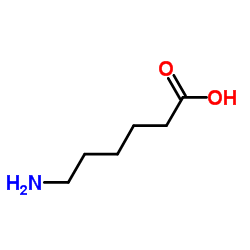 CAS#:1947-00-8
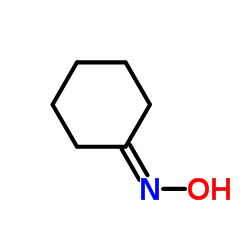 CAS#:100-64-1
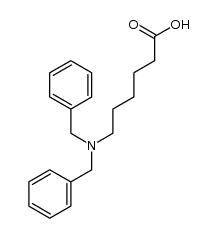 CAS#:1201194-72-0
 CAS#:5515-01-5
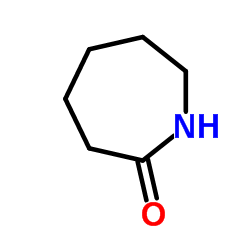 CAS#:105-60-2
 CAS#:64-17-5
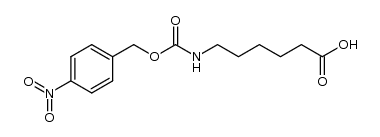 CAS#:13111-36-9
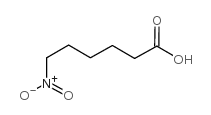 CAS#:10269-96-2
 CAS#:57-08-9
 CAS#:104807-40-1
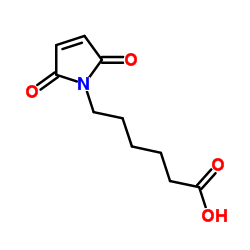 CAS#:55750-53-3
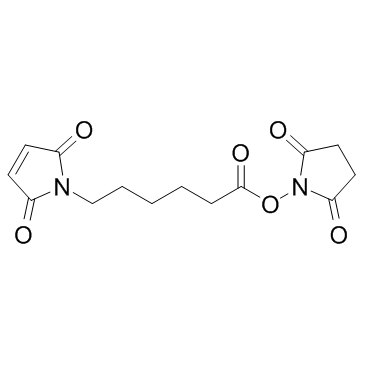 CAS#:55750-63-5
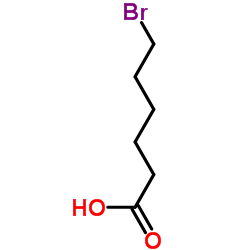 CAS#:4224-70-8
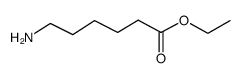 CAS#:371-34-6
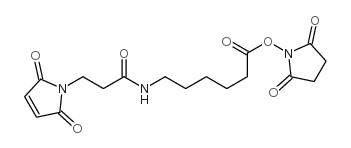 CAS#:367927-39-7
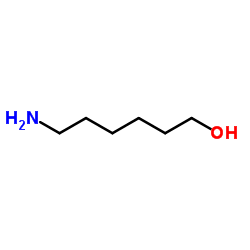 CAS#:4048-33-3
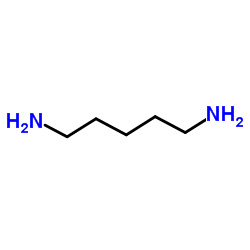 CAS#:462-94-2
![6-[[(1,1-Dimethylethoxy)carbonyl]amino]hexanoic acid 2,5-dioxo-1-pyrrolidinyl ester structure](https://image.chemsrc.com/caspic/026/51513-80-5.png) CAS#:51513-80-5
CAS#:51513-80-5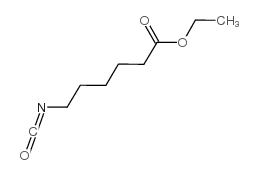 CAS#:5100-36-7
This table shows customs‑related data including HS‑code, tariff and regulatory conditions for import and export.
| HS Code | 2922499990 |
|---|---|
| Summary | HS:2922499990 other amino-acids, other than those containing more than one kind of oxygen function, and their esters; salts thereof VAT:17.0% Tax rebate rate:9.0% Supervision conditions:AB(certificate of inspection for goods inward,certificate of inspection for goods outward) MFN tariff:6.5% General tariff:30.0% |
This table lists relevant public references with title, journal and publication metadata for this compound.
|
Novel Antibodies Reactive with Sialyl Lewis X in Both Humans and Mice Define Its Critical Role in Leukocyte Trafficking and Contact Hypersensitivity Responses.
J. Biol. Chem. 290 , 15313-26, (2015) Sialyl Lewis X (sLe(x)) antigen functions as a common carbohydrate determinant recognized by all three members of the selectin family. However, its expression and function in mice remain undefined due... |
|
|
Dietary magnesium restriction reduces amygdala-hypothalamic GluN1 receptor complex levels in mice.
Brain Struct. Funct. 220 , 2209-21, (2015) Reduced daily intake of magnesium (Mg(2+)) is suggested to contribute to depression. Indeed, preclinical studies show dietary magnesium restriction (MgR) elicits enhanced depression-like behaviour est... |
|
|
Cheminformatics analysis of assertions mined from literature that describe drug-induced liver injury in different species.
Chem. Res. Toxicol. 23 , 171-83, (2010) Drug-induced liver injury is one of the main causes of drug attrition. The ability to predict the liver effects of drug candidates from their chemical structures is critical to help guide experimental... |
This table collects all English aliases, systematic names and CAS‑related synonyms of the compound.
| ε-aminocaproic acid |
| N-Cbz-ε-aminocaproic Acid |
| 6-Aminocaproic acid |
| 6-amino hexanoic acid |
| HEXANOIC ACID,6-AMINO |
| w-Aminocaproic acid |
| Aminohexanoic acid |
| Acidum Aminocaproicum |
| Aminocaproic acid |
| 6-(((Benzyloxy)carbonyl)amino)hexanoic acid |
| 6-[N-(Benzyloxycarbonyl)amino]hexanoic acid |
| 6-amino-n-hexanoic acid |
| H-6-Aca-OH |
| ε-Amino-n-caproic acid |
| 6-amino-hexanoic acid |
| N-Cbz-6-aminocaproic acid |
| N-benzyloxycarbonyl-6-aminohexanoic acid |
| N-Carbobenzoxy-ε-aminocaproic Acid |
| acido aminocaproico |
| H-ε-Acp-OH |
| ε-aminohexanoic acid |
| H-EAhx-OH |
| 6-{[(Benzyloxy)carbonyl]amino}hexanoic acid |
| N-Carbobenzoxy-6-aminohexanoic Acid |
| 6-amino-n-caproic acid |
| 4-aminobutyltrimethoxysilane |
| N-(Benzyloxycarbonyl)-6-aminohexanoic acid |
| MFCD00008238 |
| H-6-Ahx-OH |
| 6-[(phenylmethoxy)carbonylamino]hexanoic acid |
| w-Aminohexanoic acid |
| N-Cbz-6-aminohexanoic Acid |
| EINECS 200-469-3 |
| Z-6-Aminohexanoic acid |
| Cbz-ε- Aminocaproic acid |
| 4-04-00-02695 (Beilstein Handbook Reference) |
| AMICAR |
| N-Benzyloxycarbonyl-6-aminocaproic Acid |
| 6-Aminohexanoic acid |
| 6-N-Cbz-aminohexanoic acid |
| aminobutyltrimethoxysilane |
This section contains frequently‑asked‑questions about this compound, including basic parameters, properties, storage conditions and corresponding answers.
| Q: What are the downstream products of 6-aminohexanoate? |
| A: Related downstream products(CAS) of 6-aminohexanoate: 104807-40-1;55750-53-3;55750-63-5;4224-70-8;371-34-6;367927-39-7;4048-33-3;462-94-2;51513-80-5;5100-36-7. |
| Q: What is the CAS number of 6-aminohexanoate? |
| A: CAS number of 6-aminohexanoate is 60-32-2. |
| Q: What is the polar surface area (PSA) of 6-aminohexanoate? |
| A: Polar surface area (PSA) of 6-aminohexanoate is 63.32000. |
| Q: What is the LogP of 6-aminohexanoate? |
| A: LogP of 6-aminohexanoate is -0.11. |
| Q: What is the InChIKey of 6-aminohexanoate? |
| A: InChIKey of 6-aminohexanoate is SLXKOJJOQWFEFD-UHFFFAOYSA-N. |
| Q: What is the safety information for 6-aminohexanoate? |
| A: Safety information for 6-aminohexanoate: S26-S36. |
| Q: What is the SMILES notation of 6-aminohexanoate? |
| A: SMILES notation of 6-aminohexanoate is NCCCCCC(=O)O. |
| Q: What is the melting point of 6-aminohexanoate? |
| A: Melting point of 6-aminohexanoate is 207-209 °C (dec.)(lit.). |
| Q: What is the English name of 6-aminohexanoate? |
| A: The English name of 6-aminohexanoate is 6-aminohexanoate. |
| Q: What are the upstream materials of 6-aminohexanoate? |
| A: Related upstream materials(CAS) of 6-aminohexanoate: 1947-00-8;100-64-1;1201194-72-0;5515-01-5;105-60-2;64-17-5;13111-36-9;10269-96-2;57-08-9. |
This table lists manufacturers and suppliers of this compound, including vendor names and product supply reference information.
| Shanghai Nianxing Industrial Co., Ltd |
| Henan Tianfu Chemical Co., Ltd. |