H-DL-Pro-OH

H-DL-Pro-OH structure
|
Common Name | H-DL-Pro-OH | ||
|---|---|---|---|---|
| CAS Number | 609-36-9 | Molecular Weight | 115.13 | |
| Density | 1.2±0.1 g/cm3 | Boiling Point | 252.2±33.0 °C at 760 mmHg | |
| Molecular Formula | C5H9NO2 | Melting Point | 208-210ºC | |
| MSDS | Chinese USA | Flash Point | 106.3±25.4 °C | |
Use of H-DL-Pro-OHH-DL-Pro-OH is a biochemical reagent that can be used as a biological material or organic compound for life science related research. |
Summary: Proline, Chinese name DL-脯氨酸, CAS number 609-36-9, molecular formula C5H9NO2, molecular weight 115.13. Appearance: white crystalline powder,熔点208-210℃,沸点252.2±33.0 °C at 760 mmHg, density 1.2±0.1 g/cm3. For research-use only, not for medical or clinical usage.
This table lists Chinese names, IUPAC names and various aliases of this chemical substance.
| Name | proline |
|---|---|
| Synonym | More Synonyms |
This table contains bioactivity, target information and biological‑assay experimental data of this compound.
| Description | H-DL-Pro-OH is a biochemical reagent that can be used as a biological material or organic compound for life science related research. |
|---|---|
| Related Catalog |
This table shows physicochemical parameters including melting point, boiling point, density, solubility and optical rotation. Missing data is marked as N/A.
| Density | 1.2±0.1 g/cm3 |
|---|---|
| Boiling Point | 252.2±33.0 °C at 760 mmHg |
| Melting Point | 208-210ºC |
| Molecular Formula | C5H9NO2 |
| Molecular Weight | 115.13 |
| Flash Point | 106.3±25.4 °C |
| Exact Mass | 115.063332 |
| PSA | 49.33000 |
| LogP | -0.57 |
| Vapour Pressure | 0.0±1.1 mmHg at 25°C |
| Index of Refraction | 1.487 |
| InChIKey | ONIBWKKTOPOVIA-UHFFFAOYSA-N |
| SMILES | O=C(O)C1CCCN1 |
| Storage condition | Store at RT. |
| Water Solubility | SOLUBLE |
This table provides MSDS information including hazard classification, first‑aid, fire‑fighting, spill handling, operation and storage instructions.
This table covers safety warnings, protective measures, incompatible substances and disposal guidelines for this compound.
| Personal Protective Equipment | Eyeshields;Gloves;type N95 (US);type P1 (EN143) respirator filter |
|---|---|
| Hazard Codes | Xn |
| Risk Phrases | R22 |
| Safety Phrases | S24/25 |
| RIDADR | NONH for all modes of transport |
| WGK Germany | 3 |
| HS Code | 29339990 |
This table presents publicly reported synthetic routes, reaction conditions, reactants and product information of the compound.
This table lists upstream starting materials and downstream derivative products related to this chemical.
| Precursor 9 | |
|---|---|
| DownStream 10 | |
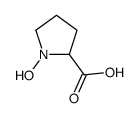
 CAS#:634-97-9
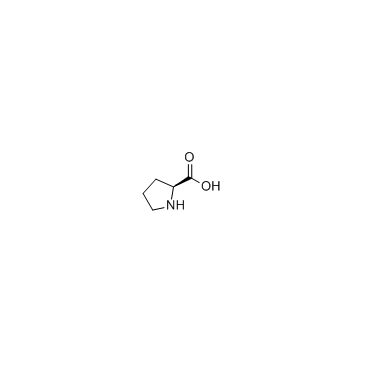
 CAS#:36901-87-8
 CAS#:147-85-3
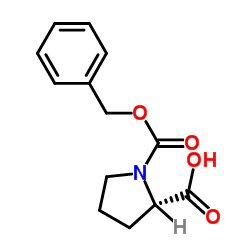 CAS#:1148-11-4
 CAS#:138286-85-8
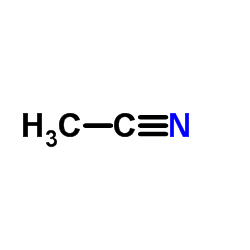 CAS#:75-05-8
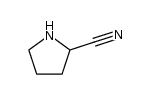 CAS#:57015-08-4
 CAS#:344-25-2
 CAS#:50995-48-7
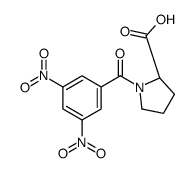 CAS#:103238-71-7
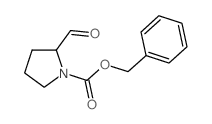 CAS#:105706-84-1
 CAS#:3554-65-2
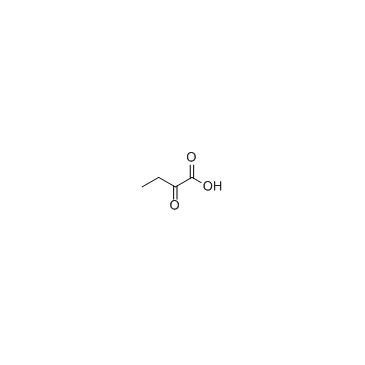 CAS#:600-18-0
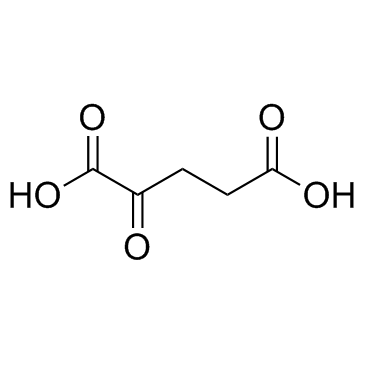 CAS#:328-50-7
 CAS#:51-35-4
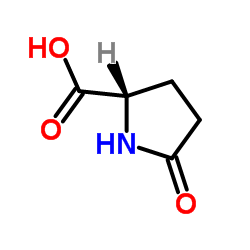 CAS#:149-87-1
![Octahydro-pyrrolo[1,2-a]pyrazine structure](https://image.chemsrc.com/caspic/436/5654-83-1.png) CAS#:5654-83-1
CAS#:5654-83-1![1,3-diazabicyclo[3.3.0]octane-2,4-dione structure](https://image.chemsrc.com/caspic/240/5768-79-6.png) CAS#:5768-79-6
CAS#:5768-79-6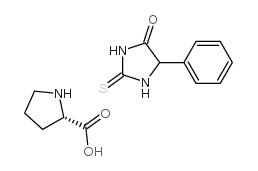 CAS#:4333-21-5
This table shows customs‑related data including HS‑code, tariff and regulatory conditions for import and export.
| HS Code | 2933990090 |
|---|---|
| Summary | 2933990090. heterocyclic compounds with nitrogen hetero-atom(s) only. VAT:17.0%. Tax rebate rate:13.0%. . MFN tariff:6.5%. General tariff:20.0% |
This table lists relevant public references with title, journal and publication metadata for this compound.
|
Mechanism of chemical activation of sodium chloride in the presence of amino acids.
Food Chem. 166 , 301-8, (2014) Sodium chloride has been shown to promote chlorination of glycerol during thermal processing. However, the detailed mechanism of this reaction is not well understood. Preliminary experiments have indi... |
|
|
Metabolic network capacity of Escherichia coli for Krebs cycle-dependent proline hydroxylation.
Microb. Cell Fact. 14 , 108, (2015) Understanding the metabolism of the microbial host is essential for the development and optimization of whole-cell based biocatalytic processes, as it dictates production efficiency. This is especiall... |
|
|
Polyhydroxyalkanoates production with Ralstonia eutropha from low quality waste animal fats.
J. Biotechnol. 214 , 119-27, (2015) Polyhydroxyalkanoates (PHAs) are biodegradable and biocompatible polyesters considered as alternatives to petroleum-based plastics. Ralstonia eutropha is a model organism for PHA production. Utilizing... |
This table collects all English aliases, systematic names and CAS‑related synonyms of the compound.
| (-)-Proline |
| PROGOITRIN(RG) |
| Proline |
| Proline,DL |
| (-)-(S)-proline |
| (2S)-proline |
| (2S)-2-Pyrrolidinecarboxylic acid |
| (S)-2-Carboxypyrrolidine |
| (-)-2-Pyrrolidinecarboxylic acid |
| (−)-proline |
| (S)-proline |
| MFCD00005250 |
| EINECS 210-189-3 |
| (2S)-pyrrolidine-2-carboxylic acid |
| DL-Proline 5GR |
| H-DL-PRO-OH |
| (−)-2-pyrrolidinecarboxylic acid |
| (−)-(S)-proline |
| (S)-(-)-Pyrrolidine-2-carboxylic acid |
| L-a-Pyrrolidinecarboxylic Acid |
| 2-carboxypyrrolidine |
| (S)-(-)-Proline |
| (l)-proline |
| l-Pro |
| H-DL-PYRD(2)-OH |
| pyrrolidine-2-carboxylic acid |
| (RS)-Proline |
| DL-Prolin |
| L-(-)-proline |
| DL-PROLINE |
| (S)-Pyrrolidine-2-carboxylic acid |
This section contains frequently‑asked‑questions about this compound, including basic parameters, properties, storage conditions and corresponding answers.
| Q: What are the upstream materials of proline? |
| A: Related upstream materials(CAS) of proline: 634-97-9;36901-87-8;147-85-3;1148-11-4;138286-85-8;75-05-8;57015-08-4;344-25-2;50995-48-7. |
| Q: What is the safety information for proline? |
| A: Safety information for proline: S24/25. |
| Q: What is the LogP of proline? |
| A: LogP of proline is -0.57. |
| Q: What is the polar surface area (PSA) of proline? |
| A: Polar surface area (PSA) of proline is 49.33000. |
| Q: What is the molecular weight of proline? |
| A: Molecular weight of proline is 115.13. |
| Q: What are the uses of proline? |
| A: Main uses of proline: H-DL-Pro-OH is a biochemical reagent that can be used as a biological material or organic compound for life science related research. |
| Q: What is the molecular formula of proline? |
| A: Molecular formula of proline is C5H9NO2. |
| Q: What is the melting point of proline? |
| A: Melting point of proline is 208-210ºC. |
| Q: What is the boiling point of proline? |
| A: Boiling point of proline is 252.2±33.0 °C at 760 mmHg. |
| Q: What is the SMILES notation of proline? |
| A: SMILES notation of proline is O=C(O)C1CCCN1. |
This table lists manufacturers and suppliers of this compound, including vendor names and product supply reference information.
| Shanghai Nianxing Industrial Co., Ltd |
| Dayang Chem (Hangzhou) Co., Ltd. |