L-arginine
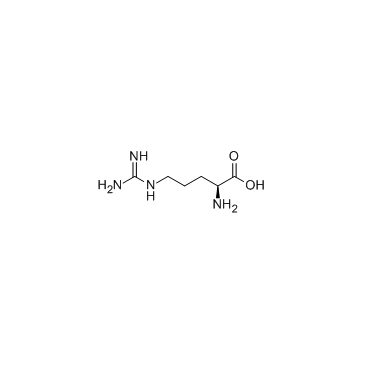
L-arginine structure
|
Common Name | L-arginine | ||
|---|---|---|---|---|
| CAS Number | 74-79-3 | Molecular Weight | 174.201 | |
| Density | 1.5±0.1 g/cm3 | Boiling Point | 367.6±52.0 °C at 760 mmHg | |
| Molecular Formula | C6H14N4O2 | Melting Point | 222 °C (dec.)(lit.) | |
| MSDS | Chinese USA | Flash Point | 176.1±30.7 °C | |
Use of L-arginineL-Arginine is the nitrogen donor for synthesis of nitric oxide, a potent vasodilator that is deficient during times of sickle cell crisis.Target: OthersL-Arginine is an α-amino acid. It was first isolated in 1886. The L-form is one of the 20 most common natural amino acids. At the level of molecular genetics, in the structure of the messenger ribonucleic acid mRNA, CGU, CGC, CGA, CGG, AGA, and AGG, are the triplets of nucleotide bases or codons that code for arginine during protein synthesis. In mammals, arginine is classified as a semiessential or conditionally essential amino acid, depending on the developmental stage and health status of the individual.L-Arginine is associated with a decrease in cardiac index while stroke index is maintained in patients with severe sepsis. Resolution of shock at 72 hours is achieved by 40% and 24% of the patients in the L-Arginine and placebo cohorts, respectively. L-Arginine (450 mg/kg during a 15-minute period) amplifies and sustains the hyperemia (38%) and increases absolute brain blood flow after eNOS upregulation by chronic simvastatin treatment (2 mg/kg subcutaneously, daily for 14 days) in SV-129 mice. |
This table lists Chinese names, IUPAC names and various aliases of this chemical substance.
| Name | L-arginine |
|---|---|
| Synonym | More Synonyms |
This table contains bioactivity, target information and biological‑assay experimental data of this compound.
| Description | L-Arginine is the nitrogen donor for synthesis of nitric oxide, a potent vasodilator that is deficient during times of sickle cell crisis.Target: OthersL-Arginine is an α-amino acid. It was first isolated in 1886. The L-form is one of the 20 most common natural amino acids. At the level of molecular genetics, in the structure of the messenger ribonucleic acid mRNA, CGU, CGC, CGA, CGG, AGA, and AGG, are the triplets of nucleotide bases or codons that code for arginine during protein synthesis. In mammals, arginine is classified as a semiessential or conditionally essential amino acid, depending on the developmental stage and health status of the individual.L-Arginine is associated with a decrease in cardiac index while stroke index is maintained in patients with severe sepsis. Resolution of shock at 72 hours is achieved by 40% and 24% of the patients in the L-Arginine and placebo cohorts, respectively. L-Arginine (450 mg/kg during a 15-minute period) amplifies and sustains the hyperemia (38%) and increases absolute brain blood flow after eNOS upregulation by chronic simvastatin treatment (2 mg/kg subcutaneously, daily for 14 days) in SV-129 mice. |
|---|---|
| Related Catalog | |
| Target |
Human Endogenous Metabolite |
| References |
[1]. Tapiero H, et al. I. Arginine. Biomed Pharmacother. 2002 Nov;56(9):439-45. |
This table shows physicochemical parameters including melting point, boiling point, density, solubility and optical rotation. Missing data is marked as N/A.
| Density | 1.5±0.1 g/cm3 |
|---|---|
| Boiling Point | 367.6±52.0 °C at 760 mmHg |
| Melting Point | 222 °C (dec.)(lit.) |
| Molecular Formula | C6H14N4O2 |
| Molecular Weight | 174.201 |
| Flash Point | 176.1±30.7 °C |
| Exact Mass | 174.111679 |
| PSA | 125.22000 |
| LogP | -1.79 |
| Vapour Pressure | 0.0±1.8 mmHg at 25°C |
| Index of Refraction | 1.601 |
| InChIKey | ODKSFYDXXFIFQN-BYPYZUCNSA-N |
| SMILES | NC(N)=NCCCC(N)C(=O)O |
| Water Solubility | 148.7 g/L (20 ºC) |
This table provides MSDS information including hazard classification, first‑aid, fire‑fighting, spill handling, operation and storage instructions.
This table summarizes toxicological test data, acute & chronic toxicity and ecological hazard parameters for this chemical.
CHEMICAL IDENTIFICATION
HEALTH HAZARD DATAACUTE TOXICITY DATA
MUTATION DATA
|
This table covers safety warnings, protective measures, incompatible substances and disposal guidelines for this compound.
| Personal Protective Equipment | Eyeshields;Gloves;type N95 (US);type P1 (EN143) respirator filter |
|---|---|
| Hazard Codes | Xn: Harmful; |
| Risk Phrases | R36 |
| Safety Phrases | S24/25 |
| RIDADR | NONH for all modes of transport |
| WGK Germany | 3 |
| RTECS | CF1934200 |
| HS Code | 2922499990 |
This table presents publicly reported synthetic routes, reaction conditions, reactants and product information of the compound.
This table lists upstream starting materials and downstream derivative products related to this chemical.
| Precursor 7 | |
|---|---|
| DownStream 10 | |
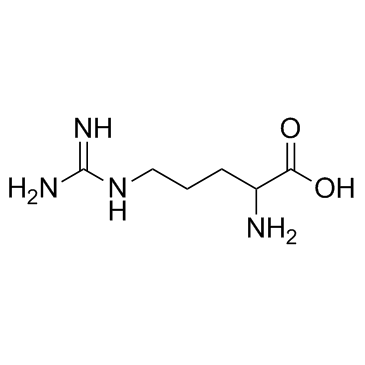 CAS#:7200-25-1
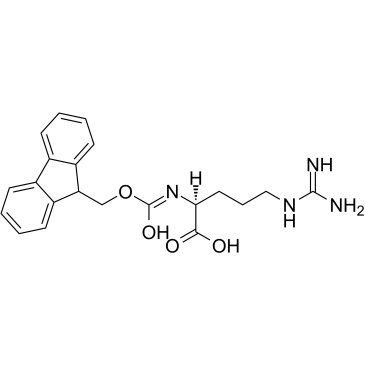 CAS#:91000-69-0
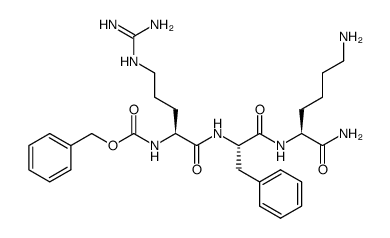 CAS#:1432516-48-7
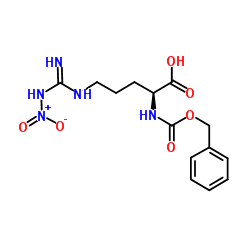 CAS#:2304-98-5
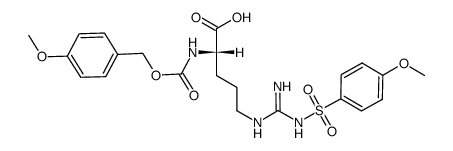 CAS#:67320-28-9
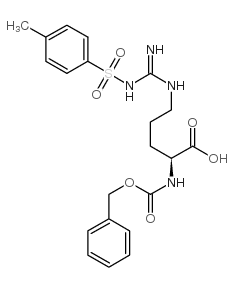 CAS#:13650-38-9
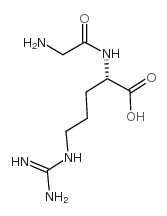 CAS#:18635-55-7
![(5S)-5-[(Dimethylamino)methyl]-1-{[hydroxy(methoxy)phosphoryl]oxy }-4,5-dihydro-1H-imidazol-2-amine structure](https://image.chemsrc.com/caspic/232/103170-78-1.png) CAS#:103170-78-1
CAS#:103170-78-1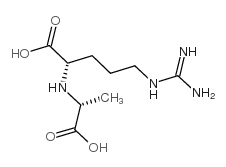 CAS#:34522-32-2
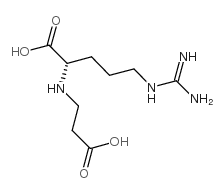 CAS#:63358-47-4
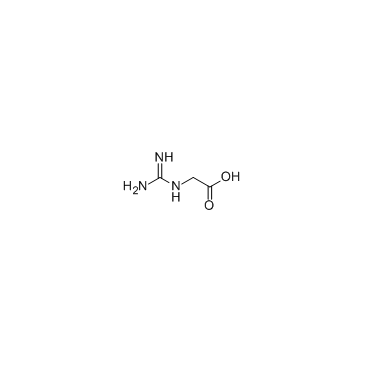 CAS#:352-97-6
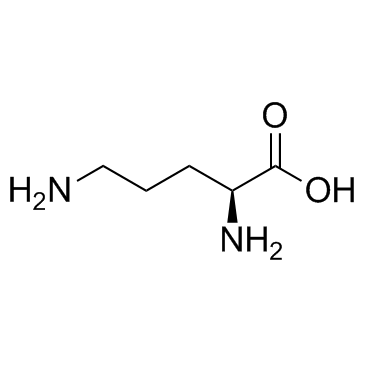 CAS#:70-26-8
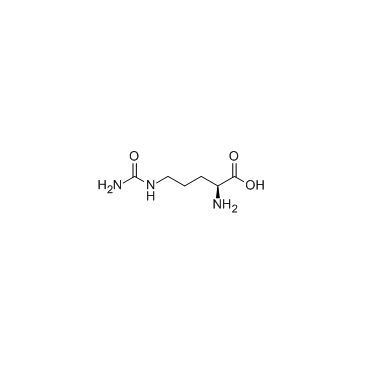 CAS#:372-75-8
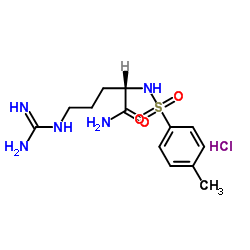 CAS#:14279-64-2
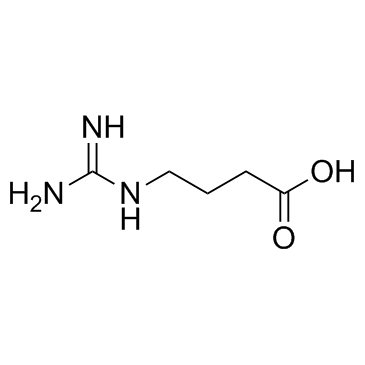 CAS#:463-00-3
 CAS#:14049-14-0
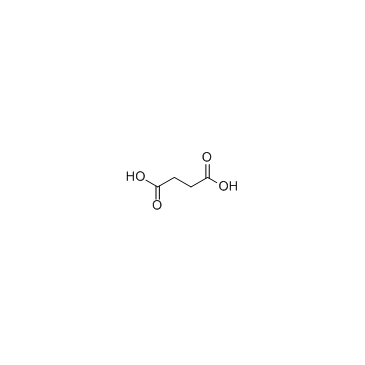 CAS#:110-15-6
This table shows customs‑related data including HS‑code, tariff and regulatory conditions for import and export.
| HS Code | 2925290090 |
|---|---|
| Summary | 2925290090 other imines and their derivatives; salts thereof。Supervision conditions:None。VAT:17.0%。Tax rebate rate:9.0%。MFN tariff:6.5%。General tariff:30.0% |
This table lists relevant public references with title, journal and publication metadata for this compound.
|
Hepatitis E virus (HEV) protease: a chymotrypsin-like enzyme that processes both non-structural (pORF1) and capsid (pORF2) protein.
J. Gen. Virol. 95(Pt 8) , 1689-700, (2014) Hepatitis E virus (HEV), a major cause of acute viral hepatitis across the world, is a non-enveloped, plus-strand RNA virus. Its genome codes three proteins, pORF1 (multifunctional polyprotein), pORF2... |
|
|
Mechanistic studies on the flavin-dependent N⁶-lysine monooxygenase MbsG reveal an unusual control for catalysis.
Arch. Biochem. Biophys. 550-551 , 58-66, (2014) The mechanism of Mycobacterium smegmatis G (MbsG), a flavin-dependent l-lysine monooxygenase, was investigated under steady-state and rapid reaction conditions using primary and solvent kinetic isotop... |
|
|
Sustained Arginase 1 Expression Modulates Pathological Tau Deposits in a Mouse Model of Tauopathy.
J. Neurosci. 35 , 14842-60, (2015) Tau accumulation remains one of the closest correlates of neuronal loss in Alzheimer's disease. In addition, tau associates with several other neurodegenerative diseases, collectively known as tauopat... |
This table collects all English aliases, systematic names and CAS‑related synonyms of the compound.
| L-Arginine |
| MFCD00002635 |
| H-L-ARG-OH |
| L-Argnie |
| (L)-Arginine |
| L-ARG-OH |
| L-arginie |
| AGRININE |
| arginine |
| L(+)-Arginine |
| L-Arginine (9CI) |
| QVYZ3MYZUM &&L or S Form |
| FEMA 3819 |
| EINECS 200-811-1 |
| L-a-Amino-d-guanidinovaleric Acid |
| (2S)-2-Amino-5-carbamimidamidopentanoic acid |
| H-ARG-OH |
| S-(+)-2-Amino-5-[(aminoiminomethyl)amino]pentanoic acid |
| l-arginin |
| Arginine, L- (8CI) |
| Arginine (VAN) |
| l-arg |
| 5-[(Aminoiminomethyl)amino]-L-norvaline |
| Arg |
| N5-(Aminoiminomethyl)-L-ornithine |
This section contains frequently‑asked‑questions about this compound, including basic parameters, properties, storage conditions and corresponding answers.
| Q: What is the molecular weight of L-arginine? |
| A: Molecular weight of L-arginine is 174.201. |
| Q: How is the water solubility of L-arginine? |
| A: Water solubility of L-arginine: 148.7 g/L (20 ºC). |
| Q: What is the LogP of L-arginine? |
| A: LogP of L-arginine is -1.79. |
| Q: What is the boiling point of L-arginine? |
| A: Boiling point of L-arginine is 367.6±52.0 °C at 760 mmHg. |
| Q: What are the upstream materials of L-arginine? |
| A: Related upstream materials(CAS) of L-arginine: 7200-25-1;91000-69-0;1432516-48-7;2304-98-5;67320-28-9;13650-38-9;18635-55-7. |
| Q: What is the melting point of L-arginine? |
| A: Melting point of L-arginine is 222 °C (dec.)(lit.). |
| Q: What is the molecular formula of L-arginine? |
| A: Molecular formula of L-arginine is C6H14N4O2. |
| Q: What are the downstream products of L-arginine? |
| A: Related downstream products(CAS) of L-arginine: 103170-78-1;34522-32-2;63358-47-4;352-97-6;70-26-8;372-75-8;14279-64-2;463-00-3;14049-14-0;110-15-6. |
| Q: What is the polar surface area (PSA) of L-arginine? |
| A: Polar surface area (PSA) of L-arginine is 125.22000. |
| Q: What is the English name of L-arginine? |
| A: The English name of L-arginine is L-arginine. |
This table lists manufacturers and suppliers of this compound, including vendor names and product supply reference information.
| Shanghai Nianxing Industrial Co., Ltd |
| Dayang Chem (Hangzhou) Co., Ltd. |