allantoin
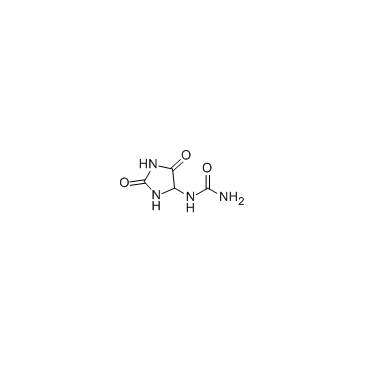
allantoin structure
|
Common Name | allantoin | ||
|---|---|---|---|---|
| CAS Number | 97-59-6 | Molecular Weight | 158.115 | |
| Density | 1.7±0.1 g/cm3 | Boiling Point | 478ºC | |
| Molecular Formula | C4H6N4O3 | Melting Point | 230 °C (dec.)(lit.) | |
| MSDS | Chinese USA | Flash Point | 230-234°C | |
| Symbol |

GHS07 |
Signal Word | Warning | |
Use of allantoinAllantoin is a skin conditioning agent that promotes healthy skin, stimulates new and healthy tissue growth. |
This table lists Chinese names, IUPAC names and various aliases of this chemical substance.
| Name | allantoin |
|---|---|
| Synonym | More Synonyms |
This table contains bioactivity, target information and biological‑assay experimental data of this compound.
| Description | Allantoin is a skin conditioning agent that promotes healthy skin, stimulates new and healthy tissue growth. |
|---|---|
| Related Catalog | |
| Target |
Human Endogenous Metabolite |
| In Vitro | Allantoin is a well-known cosmetic ingredient reported to have anti-oxidative and anti-inflammatory activities[1]. Allantoin attenuates apoptosis and cytotoxicity and increased the viability of STZ-induced β-cells in a dose-dependent manner. Allantoin decreases the level of caspase-3 and increases the level of phosphorylated B-cell lymphoma 2 (Bcl-2) expression. Allantoin has been demonstrated to activate imidazoline 3 (I3) receptors[2]. |
| In Vivo | The subchronic administration of allantoin (1, 3 or 10 mg/kg, for 7 days) significantly increases the latency time measured during the passive avoidance task in scopolamine-induced cholinergic blockade and normal naive mice. Allantoin treatment (3 or 10 mg/kg, for 7 days) also increases the expression levels of phosphorylated phosphatidylinositide 3-kinase (PI3K), phosphorylated protein kinase B (Akt) and phosphorylated glycogen synthase kinase-3β (GSK-3β). Allantoin significantly increases the neuronal cell proliferation of immature neurons in the hippocampal dentate gyrus region[1]. Daily injection of allantoin for 8 days in STZ-treated rats significantly lowers plasma glucose and increases plasma insulin levels [2]. Allantoin decreases blood pressures in SHRs at 30 minutes, as the most effective time. Also, this antihypertensive action is shown in a dose-dependent manner from SHRs treated with allantoin. Moreover, in anesthetized rats, allantoin inhibits cardiac contractility and heart rate. Also, the peripheral blood flow is markedly increased by allantoin[3]. |
| Cell Assay | Pancreatic β-cells are treated with 1, 10, 100 μM of allantoin before 30 min prior to the addition of 5 mM STZ and incubated for 6 h. Cell viability is measured using the ApoTox-Glo triplex assay[2]. |
| Animal Admin | Rats: Animals are randomly assigned into four groups: (I) the control group treated with the vehicle, saline; (II) the allantoin group treated by intravenous injection of allantoin at 0.5 mg/kg; (III) the allantoin+efaroxan group treated with allantoin at the most effective dose (0.5 mg/kg, i.v.) and efaroxan at effective dose (1.5 mg/kg, i.v.) 30 minutes before injection of allantoin; and (IV) the allantoin treated SHRs group treated by intravenous injection of allantoin at various dose for desired time. After treatment of allantoin, the rats are placed into a holder for the determination of the mean blood pressure[3]. Mice: For memory ameliorating study, mice are administered vehicle solution, allantoin (1, 3 or 10 mg/kg, p.o.) or donepezil (5 mg/kg, p.o.) at the same time (10:00-12:00 a.m) and same place for 7 days. For memory enhancing study, mice are administered vehicle solution, allantoin (1, 3 or 10 mg/kg, p.o.) or piracetam (200 mg/kg, i.p.). The final administration of allantoin, donepezil or piracetam is performed 1 h before an acquisition trial in the passive avoidance task[1]. |
| References |
[3]. Chen MF, et al. Antihypertensive action of allantoin in animals. Biomed Res Int. 2014;2014:690135. |
This table shows physicochemical parameters including melting point, boiling point, density, solubility and optical rotation. Missing data is marked as N/A.
| Density | 1.7±0.1 g/cm3 |
|---|---|
| Boiling Point | 478ºC |
| Melting Point | 230 °C (dec.)(lit.) |
| Molecular Formula | C4H6N4O3 |
| Molecular Weight | 158.115 |
| Flash Point | 230-234°C |
| Exact Mass | 158.043991 |
| PSA | 113.32000 |
| LogP | -2.89 |
| Index of Refraction | 1.616 |
| InChIKey | POJWUDADGALRAB-UHFFFAOYSA-N |
| SMILES | NC(=O)NC1NC(=O)NC1=O |
| Storage condition | Refrigerator |
This table provides MSDS information including hazard classification, first‑aid, fire‑fighting, spill handling, operation and storage instructions.
This table summarizes toxicological test data, acute & chronic toxicity and ecological hazard parameters for this chemical.
CHEMICAL IDENTIFICATION
|
This table covers safety warnings, protective measures, incompatible substances and disposal guidelines for this compound.
| Symbol |
GHS07 |
|---|---|
| Signal Word | Warning |
| Hazard Statements | H302 |
| Precautionary Statements | P301 + P312 + P330 |
| Personal Protective Equipment | dust mask type N95 (US);Eyeshields;Gloves |
| Hazard Codes | Xn,Xi |
| Risk Phrases | R22 |
| Safety Phrases | S22-S24/25 |
| RIDADR | NONH for all modes of transport |
| WGK Germany | 1 |
| RTECS | YT1600000 |
| HS Code | 2933790090 |
This table presents publicly reported synthetic routes, reaction conditions, reactants and product information of the compound.
This table lists upstream starting materials and downstream derivative products related to this chemical.
| Precursor 10 | |
|---|---|
| DownStream 9 | |
 CAS#:69-93-2
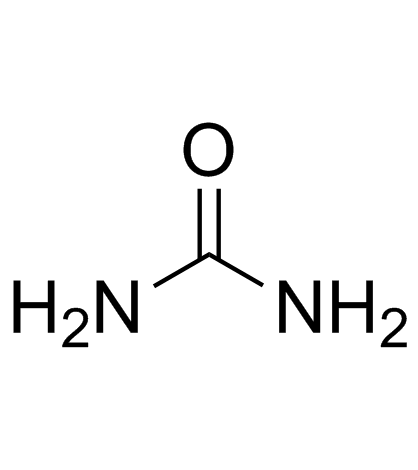 CAS#:57-13-6
 CAS#:298-12-4
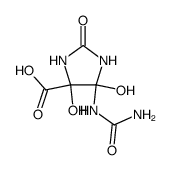 CAS#:874531-63-2
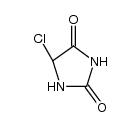 CAS#:32282-43-2
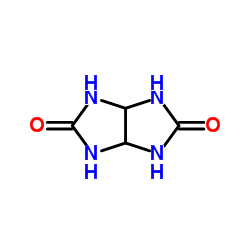 CAS#:496-46-8
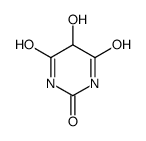 CAS#:444-15-5
 CAS#:99-16-1
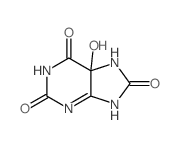 CAS#:6960-30-1
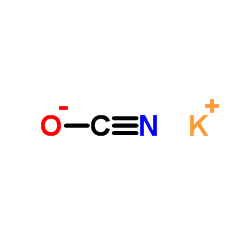 CAS#:590-28-3
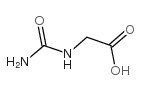 CAS#:462-60-2
 CAS#:7664-41-7
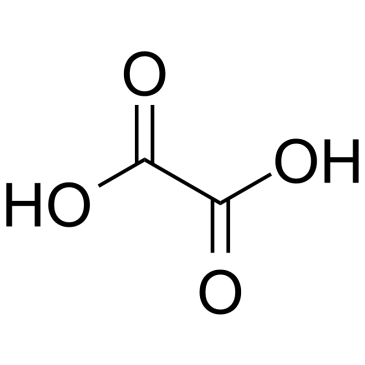 CAS#:144-62-7
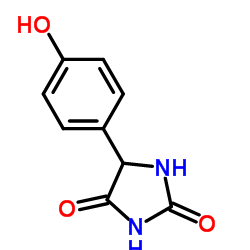 CAS#:2420-17-9
This table shows customs‑related data including HS‑code, tariff and regulatory conditions for import and export.
| HS Code | 2933990090 |
|---|---|
| Summary | 2933990090. heterocyclic compounds with nitrogen hetero-atom(s) only. VAT:17.0%. Tax rebate rate:13.0%. . MFN tariff:6.5%. General tariff:20.0% |
This table lists relevant public references with title, journal and publication metadata for this compound.
|
Cleavage efficient 2A peptides for high level monoclonal antibody expression in CHO cells.
MAbs 7(2) , 403-12, (2015) Linking the heavy chain (HC) and light chain (LC) genes required for monoclonal antibodies (mAb) production on a single cassette using 2A peptides allows control of LC and HC ratio and reduces non-exp... |
|
|
Cheminformatics analysis of assertions mined from literature that describe drug-induced liver injury in different species.
Chem. Res. Toxicol. 23 , 171-83, (2010) Drug-induced liver injury is one of the main causes of drug attrition. The ability to predict the liver effects of drug candidates from their chemical structures is critical to help guide experimental... |
|
|
¹H-NMR and MS based metabolomics study of the intervention effect of curcumin on hyperlipidemia mice induced by high-fat diet.
PLoS ONE 10(3) , e0120950, (2015) Curcumin, a principle bioactive component of Curcuma longa L, is well known for its anti-hyperlipidemia effect. However, no holistic metabolic information of curcumin on hyperlipidemia models has been... |
This table collects all English aliases, systematic names and CAS‑related synonyms of the compound.
| Allantol |
| DL-Allantoin |
| uniderma |
| ALL |
| Allantoin |
| Septalan |
| N-(2,5-Dioxo-4-imidazolidinyl)urea |
| 2,5-Dioxo-4-imidazolidinyl-urea |
| Urea, (2,5-dioxo-4-imidazolidinyl)- (9CI) |
| 4-ureido-2,5-Imidazolidinedione |
| toin |
| 5-ureidohydantoin |
| ALANTOIN |
| (±)-Allantoin |
| Sebical |
| Alantan |
| 1-(2,5-Dioxoimidazolidin-4-yl)harnstoff |
| Allantoin (8CI) |
| 1-(2,5-dioxoimidazolidin-4-yl)urea |
| 2,5-dioxo-4-imidazolidinyl urea |
| 1-(2,5-Dioxo-4-imidazolidinyl)urea |
| MFCD00005260 |
| Psoralon |
| 5-Ureido-2,4-imidazolidindion |
| 5-ureido-Hydantoin |
| EINECS 202-592-8 |
This section contains frequently‑asked‑questions about this compound, including basic parameters, properties, storage conditions and corresponding answers.
| Q: What is the InChIKey of allantoin? |
| A: InChIKey of allantoin is POJWUDADGALRAB-UHFFFAOYSA-N. |
| Q: What are the uses of allantoin? |
| A: Main uses of allantoin: Allantoin is a skin conditioning agent that promotes healthy skin, stimulates new and healthy tissue growth. |
| Q: What are the storage conditions for allantoin? |
| A: Storage conditions for allantoin: Refrigerator. |
| Q: What is the molecular formula of allantoin? |
| A: Molecular formula of allantoin is C4H6N4O3. |
| Q: What is the English name of allantoin? |
| A: The English name of allantoin is allantoin. |
| Q: What is the molecular weight of allantoin? |
| A: Molecular weight of allantoin is 158.115. |
| Q: What is the SMILES notation of allantoin? |
| A: SMILES notation of allantoin is NC(=O)NC1NC(=O)NC1=O. |
| Q: What are the upstream materials of allantoin? |
| A: Related upstream materials(CAS) of allantoin: 69-93-2;57-13-6;298-12-4;874531-63-2;32282-43-2;496-46-8;444-15-5;99-16-1;6960-30-1;590-28-3. |
| Q: What is the melting point of allantoin? |
| A: Melting point of allantoin is 230 °C (dec.)(lit.). |
| Q: What are the downstream products of allantoin? |
| A: Related downstream products(CAS) of allantoin: 496-46-8;462-60-2;7664-41-7;144-62-7;99-16-1;57-13-6;298-12-4;97-59-6;2420-17-9. |
This table lists manufacturers and suppliers of this compound, including vendor names and product supply reference information.
| Shanghai Nianxing Industrial Co., Ltd |
| BioBioPha |
| Henan Tianfu Chemical Co., Ltd. |