Gallic acid
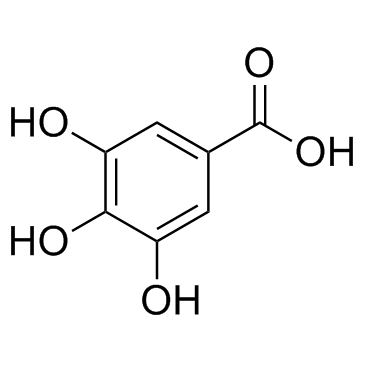
Gallic acid structure
|
Common Name | Gallic acid | ||
|---|---|---|---|---|
| CAS Number | 149-91-7 | Molecular Weight | 170.120 | |
| Density | 1.7±0.1 g/cm3 | Boiling Point | 501.1±50.0 °C at 760 mmHg | |
| Molecular Formula | C7H6O5 | Melting Point | 252 °C (dec.)(lit.) | |
| MSDS | Chinese USA | Flash Point | 271.0±26.6 °C | |
Use of Gallic acidGallic acid is an antioxidant which can inhibit both COX-2. |
Summary: Gallic acid, also known as 3,4,5-trihydroxybenzoic acid, has a CAS number of 149-91-7, with a molecular formula of C7H6O5 and a molecular weight of 170.120. It appears as a white crystalline powder with a melting point of 252°C (dec.). For use in antibacterial, hemostatic, antidiarrheal, and preservative applications, as well as in the preparation of chemical reagents, pharmaceuticals, inks, dyes, food, light industry, and organic synthesis. For research-use only, not for medical or clinical usage.
This table lists Chinese names, IUPAC names and various aliases of this chemical substance.
| Name | gallic acid |
|---|---|
| Synonym | More Synonyms |
This table contains bioactivity, target information and biological‑assay experimental data of this compound.
| Description | Gallic acid is an antioxidant which can inhibit both COX-2. |
|---|---|
| Related Catalog | |
| Target |
COX-2 |
| In Vitro | Gallic acid is an antioxidant which can inhibit both COX-2[1]. After 18 h treatment with Gallic acid, the number of viable neutrophils is dramatically decreased from 40.3% to 27.7%, highly comparable with 26.4% for untreated neutrophils. Gallic acid fails to attenuate isoproterenol-induced myocytolysis[3]. |
| In Vivo | The food intake (2.6±0.08 g/day, p=0.69) and the body weight (2.5±0.69 g, p=0.76) of the Gallic acid group do not differ significantly from those of the control group (food intake; 2.41±0.14 g/day and the body weight; 2.83±0.84 g/day). The blood glucose tolerance in the Gallic acid group is significantly improved after 2 weeks of treatment. The blood glucose tolerance of the Gallic acid group after a treatment period of 2 weeks is also significantly better than that of the control group at 90 and 120 min ( p<0.05). The serum triglyceride concentration in the Gallic acid group (0.67±0.03 mM, p<0.05) is significantly reduced relative to that of the control group (1.08±0.20 mM). The total cholesterol concentration is similar in the control (3.19±0.27 mM) and Gallic acid (3.01±0.18 mM) groups[2]. |
| Cell Assay | Neutrophils are treated with 8 μg/mL Gallic acid in RPMI1640/10% FBS for 3, 6, 9, and 18 h. At the end of Gallic acid treatment, the cells are stained with Annexin V-FITC and PI according to manufacturer's instructions. Briefly, the cells are washed twice with ice-cold PBS and resuspended in 1× Binding Buffer at a concentration of 1×10⁶ cells/mL. Cell suspensions (1×10⁵ cells in 100 μL) are incubated with 5 μL of Annexin V-FITC and 10 μL PI in a 5 mL culture tube at room temperature for 20 min. The stained cells are immediately analyzed on flow cytometry system[3]. |
| Animal Admin | Five-week-old male C57BL/6 mice are used in this study. The animals are maintained in a temperature-controlled room at 22° C on a 12 h light-dark photocycle. The mice are divided into the control vehicle group and the Gallic acid group. For 2 weeks, the mice are administered intraperitoneal treatment on a daily basis with vehicle (10% alcohol, 10% tween 80, and 80% saline) alone or with 10 mg/kg Gallic acid. After this treatment, GTTs are again conducted, and the blood samples are taken for subsequent biochemical analysis. Over the experimental period, food intake and body weight are measured on a daily basis[2]. |
| References |
This table shows physicochemical parameters including melting point, boiling point, density, solubility and optical rotation. Missing data is marked as N/A.
| Density | 1.7±0.1 g/cm3 |
|---|---|
| Boiling Point | 501.1±50.0 °C at 760 mmHg |
| Melting Point | 252 °C (dec.)(lit.) |
| Molecular Formula | C7H6O5 |
| Molecular Weight | 170.120 |
| Flash Point | 271.0±26.6 °C |
| Exact Mass | 170.021530 |
| PSA | 97.99000 |
| LogP | 0.91 |
| Vapour Pressure | 0.0±1.4 mmHg at 25°C |
| Index of Refraction | 1.730 |
| Stability | Stability Stable, but may discolour upon exposure to light. Hygroscopic. Incompatible with strong oxidizing agents, strong bases, acid chlorides, acid anhydrides. |
| Water Solubility | 12 g/L cold water |
This table provides MSDS information including hazard classification, first‑aid, fire‑fighting, spill handling, operation and storage instructions.
This table summarizes toxicological test data, acute & chronic toxicity and ecological hazard parameters for this chemical.
CHEMICAL IDENTIFICATION
HEALTH HAZARD DATAACUTE TOXICITY DATA
MUTATION DATA
|
This table covers safety warnings, protective measures, incompatible substances and disposal guidelines for this compound.
| Personal Protective Equipment | dust mask type N95 (US);Eyeshields;Gloves |
|---|---|
| Hazard Codes | Xi:Irritant |
| Risk Phrases | R36/37/38 |
| Safety Phrases | S26-S36-S24/25 |
| RIDADR | NONH for all modes of transport |
| WGK Germany | 2 |
| RTECS | LW7525000 |
| HS Code | 2918290000 |
This table presents publicly reported synthetic routes, reaction conditions, reactants and product information of the compound.
This table lists upstream starting materials and downstream derivative products related to this chemical.
| Precursor 10 | |
|---|---|
| DownStream 10 | |
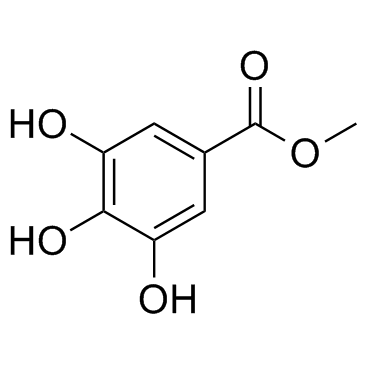 CAS#:99-24-1
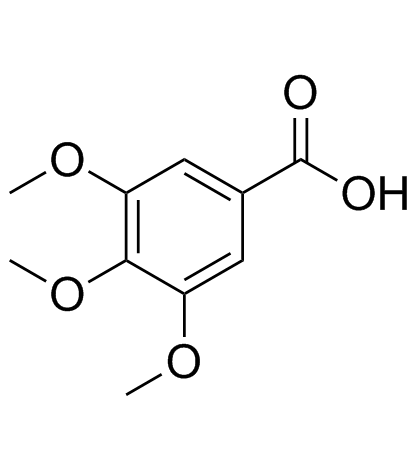 CAS#:118-41-2
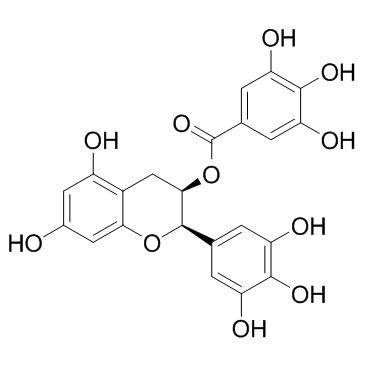 CAS#:989-51-5
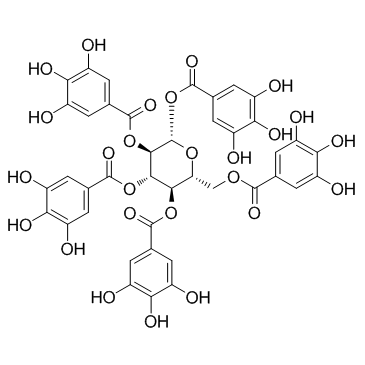 CAS#:14937-32-7
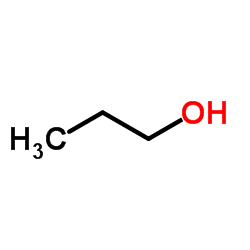 CAS#:71-23-8
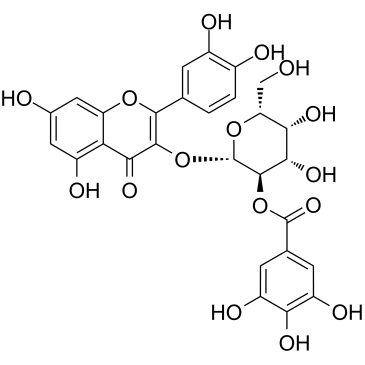 CAS#:53209-27-1
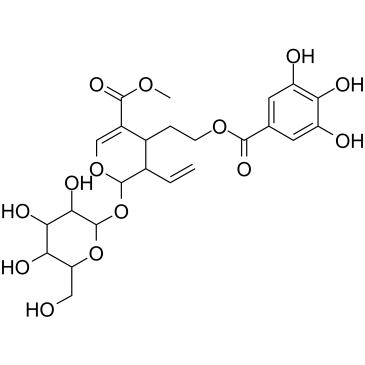 CAS#:131189-57-6
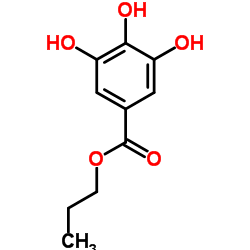 CAS#:121-79-9
 CAS#:79786-01-9
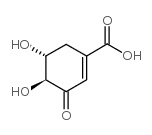 CAS#:2922-42-1
 CAS#:1087-26-9
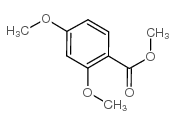 CAS#:2150-41-6
 CAS#:606-45-1
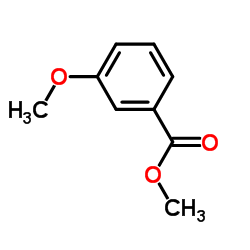 CAS#:5368-81-0
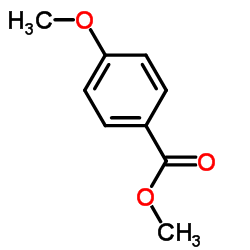 CAS#:121-98-2
 CAS#:2150-38-1
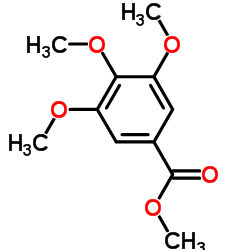 CAS#:1916-07-0
 CAS#:2150-42-7
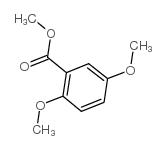 CAS#:2150-40-5
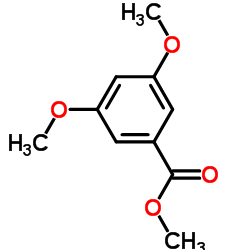 CAS#:2150-37-0
This table shows customs‑related data including HS‑code, tariff and regulatory conditions for import and export.
| HS Code | 2918290000 |
|---|---|
| Summary | HS: 2918290000 other carboxylic acids with phenol function but without other oxygen function, their anhydrides, halides, peroxides, peroxyacids and their derivatives Tax rebate rate:9.0% Supervision conditions:AB(certificate of inspection for goods inward,certificate of inspection for goods outward) VAT:17.0% MFN tariff:6.5% General tariff:30.0% |
This table lists relevant public references with title, journal and publication metadata for this compound.
|
Urinary metabolic fingerprinting of mice with diet-induced metabolic derangements by parallel dual secondary column-dual detection two-dimensional comprehensive gas chromatography.
J. Chromatogr. A. 1361 , 265-76, (2014) This study investigates the potential of a parallel dual secondary column-dual detection two-dimensional comprehensive GC platform (GC×2GC-MS/FID) for metabolic profiling and fingerprinting of mouse u... |
|
|
Vegetables' juice influences polyol pathway by multiple mechanisms in favour of reducing development of oxidative stress and resultant diabetic complications.
Pharmacogn. Mag. 10(Suppl 2) , S383-91, (2014) Hyperglycemia induced generation of free radicals and consequent development of oxidative stress by polyol pathway is one of the crucial mechanisms stirring up development of diabetic complications. W... |
|
|
Antimicrobial activity of natural products from the flora of Northern Ontario, Canada.
Pharm. Biol. 53(6) , 800-6, (2015) The number of multidrug resistant (MDR) microorganisms is increasing and the antimicrobial resistance expressed by these pathogens is generating a rising global health crisis. In fact, there are only ... |
This table collects all English aliases, systematic names and CAS‑related synonyms of the compound.
| 3,4,5-trihydroxybenzenoic Acid |
| Gallic acid |
| graphite oxide |
| kyselinagallova |
| 3,4,5-Trihydroxy-benzoic acid |
| Acid, Gallic |
| BETZ 0276 |
| 3,4,5-Trihydroxybenzoic acid |
| gallic |
| Galloyl alcohol |
| MFCD00002510 |
| Gallussaure |
| graphitic acid |
| 3-10-00-02070 (Beilstein Handbook Reference) |
| EINECS 205-749-9 |
This section contains frequently‑asked‑questions about this compound, including basic parameters, properties, storage conditions and corresponding answers.
| Q: What is the molecular formula of gallic acid? |
| A: Molecular formula of gallic acid is C7H6O5. |
| Q: What are the upstream materials of gallic acid? |
| A: Related upstream materials(CAS) of gallic acid: 99-24-1;118-41-2;989-51-5;14937-32-7;71-23-8;53209-27-1;131189-57-6;121-79-9;79786-01-9;2922-42-1. |
| Q: What is the melting point of gallic acid? |
| A: Melting point of gallic acid is 252 °C (dec.)(lit.). |
| Q: What is the CAS number of gallic acid? |
| A: CAS number of gallic acid is 149-91-7. |
| Q: What is the English name of gallic acid? |
| A: The English name of gallic acid is gallic acid. |
| Q: What is the LogP of gallic acid? |
| A: LogP of gallic acid is 0.91. |
| Q: What are the uses of gallic acid? |
| A: Main uses of gallic acid: Gallic acid is an antioxidant which can inhibit both COX-2. |
| Q: What is the boiling point of gallic acid? |
| A: Boiling point of gallic acid is 501.1±50.0 °C at 760 mmHg. |
| Q: What English synonyms does gallic acid have? |
| A: English synonyms of gallic acid: 3,4,5-trihydroxybenzenoic Acid, Gallic acid, graphite oxide, kyselinagallova, 3,4,5-Trihydroxy-benzoic acid, Acid, Gallic, BETZ 0276, 3,4,5-Trihydroxybenzoic acid, gallic, Galloyl alcohol, MFCD00002510, Gallussaure, graphitic acid, 3-10-00-02070 (Beilstein Handbook Reference), EINECS 205-749-9. |
| Q: What is the polar surface area (PSA) of gallic acid? |
| A: Polar surface area (PSA) of gallic acid is 97.99000. |
This table lists manufacturers and suppliers of this compound, including vendor names and product supply reference information.
| Shanghai Nianxing Industrial Co., Ltd |
| BioBioPha |
| Dayang Chem (Hangzhou) Co., Ltd. |
| naturewill |