Methyl p-coumarate

Methyl p-coumarate structure
|
Common Name | Methyl p-coumarate | ||
|---|---|---|---|---|
| CAS Number | 3943-97-3 | Molecular Weight | 178.185 | |
| Density | 1.2±0.1 g/cm3 | Boiling Point | 306.6±17.0 °C at 760 mmHg | |
| Molecular Formula | C10H10O3 | Melting Point | 144-145ºC | |
| MSDS | N/A | Flash Point | 132.8±13.7 °C | |
Use of Methyl p-coumarateMethyl p-coumarate (Methyl 4-hydroxycinnamate), an esterified derivative of p-Coumaric acid (pCA), is isolated from the flower of Trixis michuacana var longifolia. Methyl p-coumarate could inhibit the melanin formation in B16 mouse melanoma cells. Methyl p-coumarate also has strong in vitro inhibitory effect on A. alternata and other pathogens[1][2]. |
Summary: Methyl 4-hydroxycinnamate (CAS号:3943-97-3), molecular formula C10H10O3, molecular weight 178.185, melting point 144-145°C, boiling point 306.6±17.0 °C, density 1.2±0.1 g/cm³. For research-use only, not for medical or clinical usage.
This table lists Chinese names, IUPAC names and various aliases of this chemical substance.
| Name | Methyl 4-hydroxycinnamate |
|---|---|
| Synonym | More Synonyms |
This table contains bioactivity, target information and biological‑assay experimental data of this compound.
| Description | Methyl p-coumarate (Methyl 4-hydroxycinnamate), an esterified derivative of p-Coumaric acid (pCA), is isolated from the flower of Trixis michuacana var longifolia. Methyl p-coumarate could inhibit the melanin formation in B16 mouse melanoma cells. Methyl p-coumarate also has strong in vitro inhibitory effect on A. alternata and other pathogens[1][2]. |
|---|---|
| Related Catalog | |
| References |
This table shows physicochemical parameters including melting point, boiling point, density, solubility and optical rotation. Missing data is marked as N/A.
| Density | 1.2±0.1 g/cm3 |
|---|---|
| Boiling Point | 306.6±17.0 °C at 760 mmHg |
| Melting Point | 144-145ºC |
| Molecular Formula | C10H10O3 |
| Molecular Weight | 178.185 |
| Flash Point | 132.8±13.7 °C |
| Exact Mass | 178.062988 |
| PSA | 46.53000 |
| LogP | 1.64 |
| Vapour Pressure | 0.0±0.7 mmHg at 25°C |
| Index of Refraction | 1.593 |
| InChIKey | NITWSHWHQAQBAW-DAXSKMNVSA-N |
| SMILES | COC(=O)C=Cc1ccc(O)cc1 |
This table provides MSDS information including hazard classification, first‑aid, fire‑fighting, spill handling, operation and storage instructions.
|
Material Safety Data Sheet
Section1. Identification of the substance Product Name: Methyl 4-hydroxycinnamate Synonyms: Section2. Hazards identification Harmful by inhalation, in contact with skin, and if swallowed. Section3. Composition/information on ingredients. Ingredient name:Methyl 4-hydroxycinnamate CAS number:3943-97-3 Section4. First aid measures Skin contact:Immediately wash skin with copious amounts of water for at least 15 minutes while removing contaminated clothing and shoes. If irritation persists, seek medical attention. Eye contact:Immediately wash skin with copious amounts of water for at least 15 minutes. Assure adequate flushing of the eyes by separating the eyelids with fingers. If irritation persists, seek medical attention. Inhalation:Remove to fresh air. In severe cases or if symptoms persist, seek medical attention. Ingestion:Wash out mouth with copious amounts of water for at least 15 minutes. Seek medical attention. Section5. Fire fighting measures In the event of a fire involving this material, alone or in combination with other materials, use dry powder or carbon dioxide extinguishers. Protective clothing and self-contained breathing apparatus should be worn. Section6. Accidental release measures Personal precautions: Wear suitable personal protective equipment which performs satisfactorily and meets local/state/national standards. Respiratory precaution:Wear approved mask/respirator Hand precaution:Wear suitable gloves/gauntlets Skin protection:Wear suitable protective clothing Eye protection:Wear suitable eye protection Methods for cleaning up: Mix with sand or similar inert absorbent material, sweep up and keep in a tightly closed container for disposal. See section 12. Environmental precautions: Do not allow material to enter drains or water courses. Section7. Handling and storage Handling:This product should be handled only by, or under the close supervision of, those properly qualified in the handling and use of potentially hazardous chemicals, who should take into account the fire, health and chemical hazard data given on this sheet. Store in closed vessels, refrigerated. Storage: Section8. Exposure Controls / Personal protection Engineering Controls: Use only in a chemical fume hood. Personal protective equipment: Wear laboratory clothing, chemical-resistant gloves and safety goggles. General hydiene measures: Wash thoroughly after handling. Wash contaminated clothing before reuse. Section9. Physical and chemical properties Appearance:Not specified Boiling point:No data No data Melting point: Flash point:No data Density:No data Molecular formula:C10H10O3 Molecular weight:178.2 Section10. Stability and reactivity Conditions to avoid: Heat, flames and sparks. Materials to avoid: Oxidizing agents. Possible hazardous combustion products: Carbon monoxide. Section11. Toxicological information No data. Section12. Ecological information No data. Section13. Disposal consideration Arrange disposal as special waste, by licensed disposal company, in consultation with local waste disposal authority, in accordance with national and regional regulations. Section14. Transportation information Non-harzardous for air and ground transportation. Section15. Regulatory information No chemicals in this material are subject to the reporting requirements of SARA Title III, Section 302, or have known CAS numbers that exceed the threshold reporting levels established by SARA Title III, Section 313. SECTION 16 - ADDITIONAL INFORMATION N/A |
This table covers safety warnings, protective measures, incompatible substances and disposal guidelines for this compound.
| Hazard Codes | Xi |
|---|---|
| HS Code | 2918290000 |
This table presents publicly reported synthetic routes, reaction conditions, reactants and product information of the compound.
This table lists upstream starting materials and downstream derivative products related to this chemical.
| Precursor 8 | |
|---|---|
| DownStream 10 | |
 CAS#:67-56-1
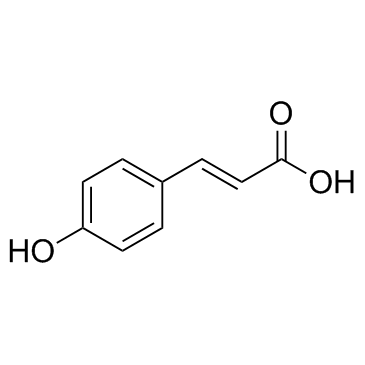 CAS#:7400-08-0
 CAS#:106-41-2
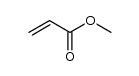 CAS#:292638-85-8
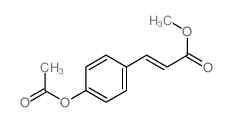 CAS#:55226-78-3
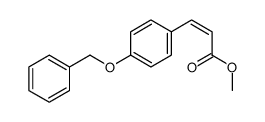 CAS#:84184-51-0
 CAS#:149-73-5
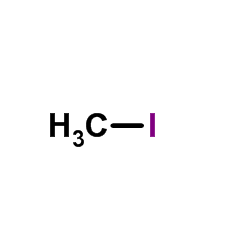 CAS#:74-88-4
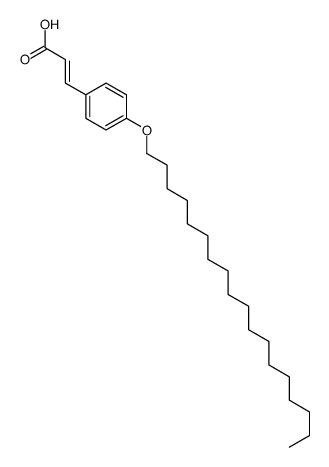 CAS#:107019-92-1
 CAS#:501-98-4
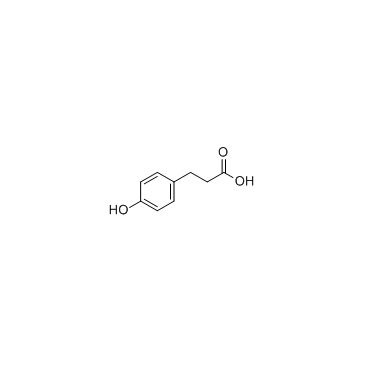 CAS#:501-97-3
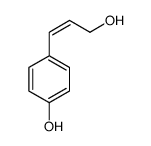 CAS#:20649-40-5
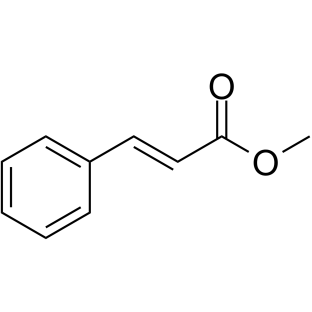 CAS#:103-26-4
 CAS#:123-08-0
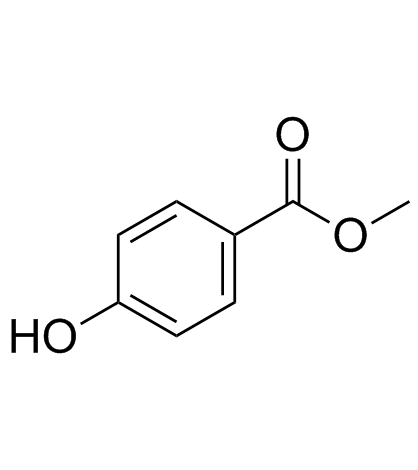 CAS#:99-76-3
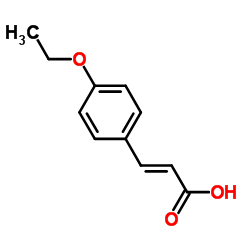 CAS#:2373-79-7
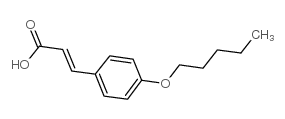 CAS#:62718-63-2
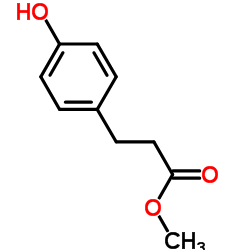 CAS#:5597-50-2
This table shows customs‑related data including HS‑code, tariff and regulatory conditions for import and export.
| HS Code | 2918290000 |
|---|---|
| Summary | HS: 2918290000 other carboxylic acids with phenol function but without other oxygen function, their anhydrides, halides, peroxides, peroxyacids and their derivatives Tax rebate rate:9.0% Supervision conditions:AB(certificate of inspection for goods inward,certificate of inspection for goods outward) VAT:17.0% MFN tariff:6.5% General tariff:30.0% |
This table collects all English aliases, systematic names and CAS‑related synonyms of the compound.
| 2-Propenoic acid, 3-(4-hydroxyphenyl)-, methyl ester |
| p-Hydroxycinnamic acid methyl ester |
| methyl (2E)-3-(4-hydroxyphenyl)prop-2-enoate |
| Cinnamic acid, p-hydroxy-, methyl ester |
| EINECS 223-531-1 |
| Methyl 3-(4-hydroxyphenyl)acrylate |
| Methyl-4-hydroxy cinnamate |
| Methyl (2E)-3-(4-hydroxyphenyl)acrylate |
| Methyl 4-hydroxycinnamate |
| MFCD00157167 |
| 2-Propenoic acid, 3- (4-hydroxyphenyl)-, methyl ester |
| methyl trans-p-hydroxycinnamate |
This section contains frequently‑asked‑questions about this compound, including basic parameters, properties, storage conditions and corresponding answers.
| Q: What English synonyms does Methyl 4-hydroxycinnamate have? |
| A: English synonyms of Methyl 4-hydroxycinnamate: 2-Propenoic acid, 3-(4-hydroxyphenyl)-, methyl ester, p-Hydroxycinnamic acid methyl ester, methyl (2E)-3-(4-hydroxyphenyl)prop-2-enoate, Cinnamic acid, p-hydroxy-, methyl ester, EINECS 223-531-1, Methyl 3-(4-hydroxyphenyl)acrylate, Methyl-4-hydroxy cinnamate, Methyl (2E)-3-(4-hydroxyphenyl)acrylate, Methyl 4-hydroxycinnamate, MFCD00157167, 2-Propenoic acid, 3- (4-hydroxyphenyl)-, methyl ester, methyl trans-p-hydroxycinnamate. |
| Q: What is the InChIKey of Methyl 4-hydroxycinnamate? |
| A: InChIKey of Methyl 4-hydroxycinnamate is NITWSHWHQAQBAW-DAXSKMNVSA-N. |
| Q: What is the LogP of Methyl 4-hydroxycinnamate? |
| A: LogP of Methyl 4-hydroxycinnamate is 1.64. |
| Q: What is the English name of Methyl 4-hydroxycinnamate? |
| A: The English name of Methyl 4-hydroxycinnamate is Methyl 4-hydroxycinnamate. |
| Q: What are the uses of Methyl 4-hydroxycinnamate? |
| A: Main uses of Methyl 4-hydroxycinnamate: Methyl p-coumarate (Methyl 4-hydroxycinnamate), an esterified derivative of p-Coumaric acid (pCA), is isolated from the flower of Trixis michuacana var longifolia. Methyl p-coumarate could inhibit the melanin formation in B16 mouse melanoma cells. Methyl p-coumarate also has strong in vitro inhibitory effect on A. alternata and other pathogens[1][2]. |
| Q: What are the downstream products of Methyl 4-hydroxycinnamate? |
| A: Related downstream products(CAS) of Methyl 4-hydroxycinnamate: 107019-92-1;501-98-4;501-97-3;20649-40-5;103-26-4;123-08-0;99-76-3;2373-79-7;62718-63-2;5597-50-2. |
| Q: What is the polar surface area (PSA) of Methyl 4-hydroxycinnamate? |
| A: Polar surface area (PSA) of Methyl 4-hydroxycinnamate is 46.53000. |
| Q: What is the boiling point of Methyl 4-hydroxycinnamate? |
| A: Boiling point of Methyl 4-hydroxycinnamate is 306.6±17.0 °C at 760 mmHg. |
| Q: What is the molecular formula of Methyl 4-hydroxycinnamate? |
| A: Molecular formula of Methyl 4-hydroxycinnamate is C10H10O3. |
| Q: What is the molecular weight of Methyl 4-hydroxycinnamate? |
| A: Molecular weight of Methyl 4-hydroxycinnamate is 178.185. |
This table lists manufacturers and suppliers of this compound, including vendor names and product supply reference information.
| Shanghai Nianxing Industrial Co., Ltd |
| Dayang Chem (Hangzhou) Co., Ltd. |