Apigenin
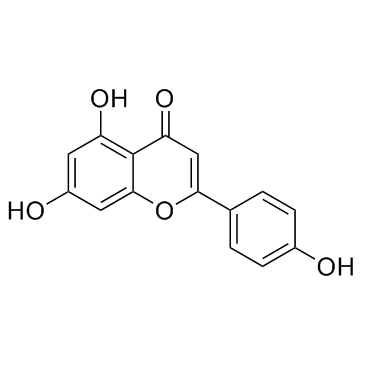
Apigenin structure
|
Common Name | Apigenin | ||
|---|---|---|---|---|
| CAS Number | 520-36-5 | Molecular Weight | 270.237 | |
| Density | 1.5±0.1 g/cm3 | Boiling Point | 555.5±50.0 °C at 760 mmHg | |
| Molecular Formula | C15H10O5 | Melting Point | >300 °C(lit.) | |
| MSDS | Chinese USA | Flash Point | 217.1±23.6 °C | |
| Symbol |

GHS07 |
Signal Word | Warning | |
Use of ApigeninApigenin is a competitive CYP2C9 inhibitor with a Ki of 2 μM. |
This table lists Chinese names, IUPAC names and various aliases of this chemical substance.
| Name | apigenin |
|---|---|
| Synonym | More Synonyms |
This table contains bioactivity, target information and biological‑assay experimental data of this compound.
| Description | Apigenin is a competitive CYP2C9 inhibitor with a Ki of 2 μM. |
|---|---|
| Related Catalog | |
| Target |
Ki: 2 μM (CYP2C9)[1] |
| In Vitro | Apigenin inhibits cytochrome P450 2C9 (CYP2C9) with a Ki of 2 μM in the CYP2C9 RECO system (a purified, reconstituted enzyme system containing recombinant human CYP2C9, P450 reductase, cytochrome b5, and liposomes)[1]. Apigenin inhibits the cell proliferation. The growth inhibition rate (IR) of 20, 40, and 80 μM of Apigenin is 38%, 71%, and 99% respectively on the 7thd. after exposure to Apigenin for 24 or 48 h, the clone formation of SGC-7901 cells is suppressed in a dose- and time-dependent manner. The cloning efficiency in 80 μM is 9.8% and 5% after treatment with Apigenin for 24 and 48 h, while in the control group it is 40.4% and 43.4%[2]. |
| In Vivo | Apigenin (API), a natural flavonoid, possesses a broad spectrum of biological properties, including antioxidative, anti-inflammatory, anticancer, and neuroprotective effects. Apigenin (125 mg/kg and 250 mg/kg) alleviates Adriamycin (ADR) (24 mg/kg)-induced myocardial injury. Apigenin inhibits serum aspartate amino transferase (AST) release. Apigenin reduces serum lactate dehydrogenase (LDH) release. Apigenin reduces serum creatine kinase (CK) contents[3]. |
| Cell Assay | The effect of Apigenin on the viability of cells is determined by MTT assay. Near-confluent stock cultures of human gastric cancer SGC-7901 cells are harvested with 0.2% EDTA and plated at a density of 2.5×10³/well in 96-well microtiter plates. After an overnight incubation to allow cell attachment, the medium is replaced by fresh medium containing different concentrations (0, 20, 40, and 80 μM) of Apigenin. Control wells receive DMSO (0.2%). Each concentration of Apigenin is repeated in four wells. After incubation for 24 h, one plate is assayed with a microplate reader at the wavelength of 570 nm. Before the assay, MTT (5 mg/mL in PBS) is added to each well and incubated for 4 h, then MTT solution is removed from the wells by aspiration. After careful removal of the medium, 0.1 mL of DMSO is added to each well, and the plate is shaken for 15 min. The data of 7 d are fed into the computer and the growth curve is drawn. The growth inhibition rate (IR) is calculated[2]. |
| Animal Admin | Mice[3] Sixty healthy Kunming mice (26±2 g) are randomly assigned into two groups: a control group (n=15) and an ADR group (n=45). The ADR group is divided into three subgroups: ADR only without Apigenin (ADR, n=15), low-dose Apigenin (125 mg/kg/day, n=15), and high-dose Apigenin (250 mg/kg/day, n=15). All Apigenin-treated groups are treated daily via gastric gavage for seventeen days with a 125 or 250 mg/kg/day dose. ADR (3 mg/kg/day) is injected intraperitoneally into animals at an interval of 48 h (in total, eight times at a cumulative dose of 24 mg/kg). The mice in the control group receive injections of 0.9% sterile saline. On the 17th day after the first treatment, the mice are sacrificed, and blood samples are collected. A number of hearts are fixed with 2.5% glutaraldehyde fixative for electron microscopy analysis, and the others are stored at -80°C for western blot analysis. |
| References |
This table shows physicochemical parameters including melting point, boiling point, density, solubility and optical rotation. Missing data is marked as N/A.
| Density | 1.5±0.1 g/cm3 |
|---|---|
| Boiling Point | 555.5±50.0 °C at 760 mmHg |
| Melting Point | >300 °C(lit.) |
| Molecular Formula | C15H10O5 |
| Molecular Weight | 270.237 |
| Flash Point | 217.1±23.6 °C |
| Exact Mass | 270.052826 |
| PSA | 90.90000 |
| LogP | 2.10 |
| Vapour Pressure | 0.0±1.6 mmHg at 25°C |
| Index of Refraction | 1.732 |
| InChIKey | KZNIFHPLKGYRTM-UHFFFAOYSA-N |
| SMILES | O=c1cc(-c2ccc(O)cc2)oc2cc(O)cc(O)c12 |
| Water Solubility | DMSO: 27 mg/mL |
This table provides MSDS information including hazard classification, first‑aid, fire‑fighting, spill handling, operation and storage instructions.
This table summarizes toxicological test data, acute & chronic toxicity and ecological hazard parameters for this chemical.
CHEMICAL IDENTIFICATION
HEALTH HAZARD DATAACUTE TOXICITY DATAMUTATION DATA
|
This table covers safety warnings, protective measures, incompatible substances and disposal guidelines for this compound.
| Symbol |
GHS07 |
|---|---|
| Signal Word | Warning |
| Hazard Statements | H315-H319-H335 |
| Precautionary Statements | P261-P305 + P351 + P338 |
| Personal Protective Equipment | dust mask type N95 (US);Eyeshields;Gloves |
| Hazard Codes | Xi:Irritant |
| Risk Phrases | R36/37/38 |
| Safety Phrases | S26-S36 |
| RIDADR | NONH for all modes of transport |
| WGK Germany | 3 |
| RTECS | LK9276000 |
| HS Code | 2942000000 |
This table lists upstream starting materials and downstream derivative products related to this chemical.
| Precursor 9 | |
|---|---|
| DownStream 10 | |
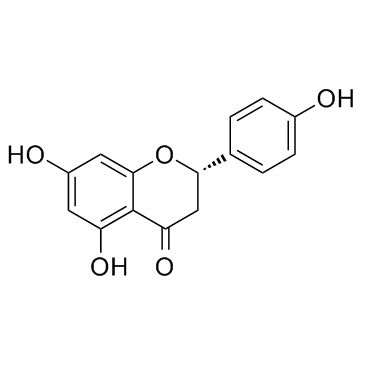 CAS#:480-41-1
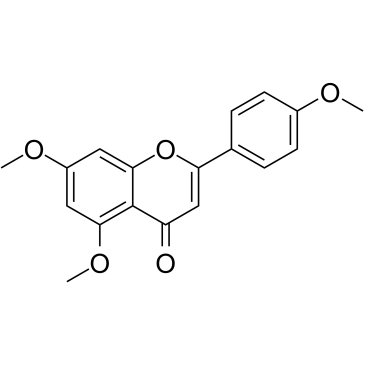 CAS#:5631-70-9
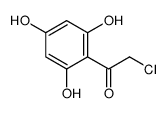 CAS#:110865-03-7
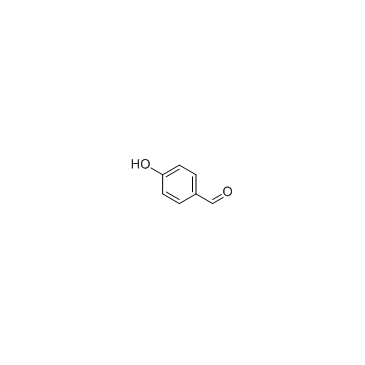 CAS#:123-08-0
 CAS#:578-74-5
 CAS#:108-73-6
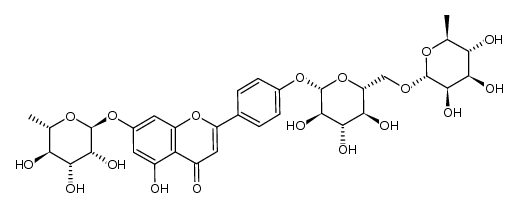 CAS#:120282-90-8
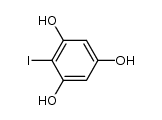 CAS#:134810-54-1
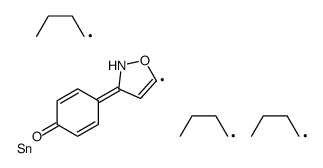 CAS#:141993-06-8
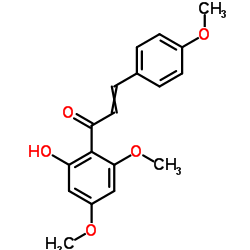 CAS#:3420-72-2
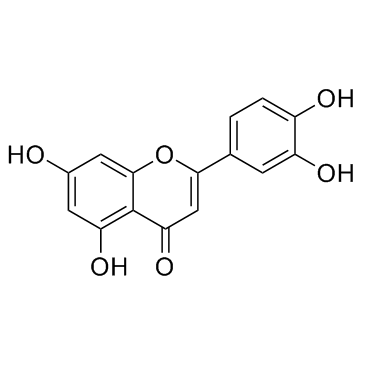 CAS#:491-70-3
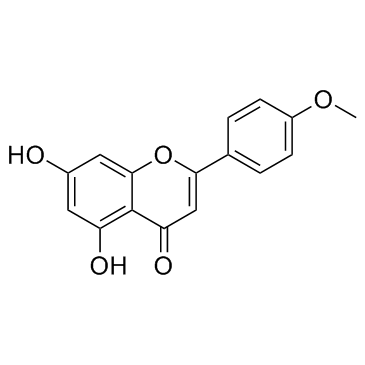 CAS#:480-44-4
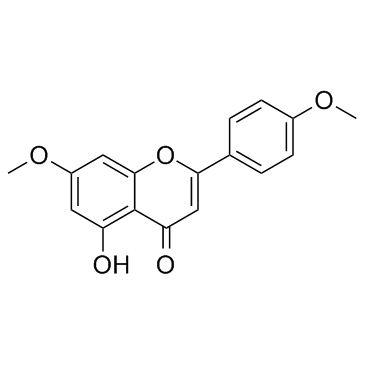 CAS#:5128-44-9
 CAS#:437-64-9
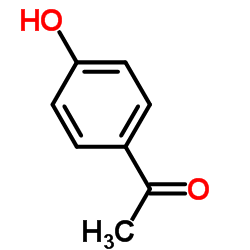 CAS#:99-93-4
 CAS#:99-96-7
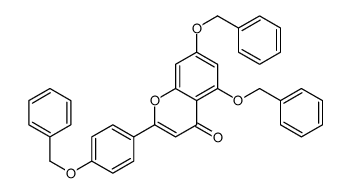 CAS#:96333-59-4
This table shows customs‑related data including HS‑code, tariff and regulatory conditions for import and export.
| HS Code | 2914501900 |
|---|---|
| Summary | 2914501900 other ketone-phenols。Supervision conditions:None。VAT:17.0%。Tax rebate rate:9.0%。MFN tariff:5.5%。General tariff:30.0% |
This table lists relevant public references with title, journal and publication metadata for this compound.
|
Rapid evaluation and comparison of natural products and antioxidant activity in calendula, feverfew, and German chamomile extracts.
J. Chromatogr. A. 1385 , 103-10, (2015) The present study describes a simple high performance thin layer chromatographic (HPTLC) method for the simultaneous quantification of apigenin, chamazulene, bisabolol and the use of DPPH free radical... |
|
|
Effects of flavonoids on senescence-associated secretory phenotype formation from bleomycin-induced senescence in BJ fibroblasts.
Biochem. Pharmacol. 96 , 337-48, (2015) During senescence, cells express molecules called senescence-associated secretory phenotype (SASP), including growth factors, proinflammatory cytokines, chemokines, and proteases. The SASP induces a c... |
|
|
Apigenin induces caspase-dependent apoptosis by inhibiting signal transducer and activator of transcription 3 signaling in HER2-overexpressing SKBR3 breast cancer cells.
Mol. Med. Report. 12 , 2977-84, (2015) Phytoestrogens have been demonstrated to inhibit tumor induction; however, their molecular mechanisms of action have remained elusive. The present study aimed to investigate the effects of a phytoestr... |
This table contains target information, in‑vitro & in‑vivo assay data for this compound.
This table collects all English aliases, systematic names and CAS‑related synonyms of the compound.
| 5,7,4'-trihydroxyflavone |
| apigenol |
| Versuline |
| Versulin |
| 4',5,7-Trihydroxyflavone |
| CHAMOMILE |
| Celery seed extract |
| C.I. NATURAL YELLOW 1 |
| T66 BO EVJ CR DQ& GQ IQ |
| Apigenine |
| 5,7-Dihydroxy-2-(4-hydroxyphenyl)-4H-chromen-4-one |
| Apigenin |
| EINECS 208-292-3 |
| Pelargidenone |
| MFCD00006831 |
This section contains frequently‑asked‑questions about this compound, including basic parameters, properties, storage conditions and corresponding answers.
| Q: What is the LogP of apigenin? |
| A: LogP of apigenin is 2.10. |
| Q: What is the SMILES notation of apigenin? |
| A: SMILES notation of apigenin is O=c1cc(-c2ccc(O)cc2)oc2cc(O)cc(O)c12. |
| Q: What are the upstream materials of apigenin? |
| A: Related upstream materials(CAS) of apigenin: 480-41-1;5631-70-9;110865-03-7;123-08-0;578-74-5;108-73-6;120282-90-8;134810-54-1;141993-06-8. |
| Q: What is the safety information for apigenin? |
| A: Safety information for apigenin: S26-S36. |
| Q: What are the uses of apigenin? |
| A: Main uses of apigenin: Apigenin is a competitive CYP2C9 inhibitor with a Ki of 2 μM. |
| Q: What are the downstream products of apigenin? |
| A: Related downstream products(CAS) of apigenin: 3420-72-2;491-70-3;480-44-4;5128-44-9;437-64-9;480-41-1;99-93-4;108-73-6;99-96-7;96333-59-4. |
| Q: What English synonyms does apigenin have? |
| A: English synonyms of apigenin: 5,7,4'-trihydroxyflavone, apigenol, Versuline, Versulin, 4',5,7-Trihydroxyflavone, CHAMOMILE, Celery seed extract, C.I. NATURAL YELLOW 1, T66 BO EVJ CR DQ& GQ IQ, Apigenine, 5,7-Dihydroxy-2-(4-hydroxyphenyl)-4H-chromen-4-one, Apigenin, EINECS 208-292-3, Pelargidenone, MFCD00006831. |
| Q: What is the melting point of apigenin? |
| A: Melting point of apigenin is >300 °C(lit.). |
| Q: What is the CAS number of apigenin? |
| A: CAS number of apigenin is 520-36-5. |
| Q: What is the InChIKey of apigenin? |
| A: InChIKey of apigenin is KZNIFHPLKGYRTM-UHFFFAOYSA-N. |
This table lists manufacturers and suppliers of this compound, including vendor names and product supply reference information.
| Shanghai Nianxing Industrial Co., Ltd |
| BioBioPha |
| naturewill |
| Henan Tianfu Chemical Co., Ltd. |